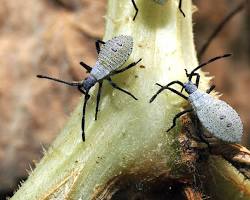
Zucchini seed weevils are beetle-like pests whose larvae develop in or around the seeds of zucchini and related cucurbit crops. While not always the most visible garden pest, they can become important when seed quality, fruit integrity, or crop reproduction matters. In home gardens, they may go unnoticed until fruit is opened and seeds appear damaged, hollowed, or contaminated by internal feeding. In seed production or specialty growing systems, their impact can be much more serious.
Weevils are a distinct type of beetle recognized by their elongated snouts and chewing mouthparts. Many species are tied closely to seeds, nuts, fruits, or stems, and those affecting zucchini usually target reproductive plant tissues rather than broad leaf areas. This makes them a different kind of pest problem than caterpillars, borers, or sap-feeding insects. Their damage may not show up as obvious leaf decline, but it can still reduce crop usefulness and seed viability.
Identification
Adult seed weevils are generally small to medium-sized beetles with hard bodies and a pronounced snout. Their coloration varies but is often brown, gray, or mottled, which helps them blend into stems, soil, or fruit surfaces. The larvae are pale, legless grubs hidden inside seeds or fruit tissues. Because the immature stages are concealed, the adults are more likely to be seen during scouting.
Gardeners may not immediately identify a seed weevil problem without close examination of damaged fruit or seed cavities. If fruit is cut open and seeds appear chewed, tunneled, or partially consumed without obvious rot, seed-feeding beetles may be involved. Depending on the exact species, adults may feed on surface tissues before laying eggs in fruit or flower structures.
Host Plants
Zucchini seed weevils are typically associated with cucurbit crops, including zucchini, squash, pumpkins, gourds, and sometimes cucumbers or melons. Their life cycle depends on access to developing reproductive tissues where larvae can feed. In mixed garden settings, nearby cucurbits can support the same pest population, allowing it to persist even if only one crop type is closely watched.
Wild cucurbit relatives, volunteer plants, and unharvested fruit can also help sustain seed-feeding pests between intended harvests. This is why sanitation and crop cleanup matter in long-term management.
Nature of the Damage
The key damage caused by zucchini seed weevils is internal feeding on seeds and surrounding fruit tissues. In some cases, the result is reduced seed viability or poor-quality saved seed. In others, feeding causes minor internal blemishes that are mostly noticed after harvest. When populations are high, fruit may show punctures or egg-laying scars on the outside, and the internal seed cavity may contain frass, tunneling, or malformed seeds.
For gardeners growing zucchini mainly for fresh eating, seed damage may not always ruin the edible portion of young harvested fruit, especially if picked early. But for mature fruit, seed saving, breeding, or ornamental uses, the impact can be more significant. Internal pest presence also reduces overall fruit quality and may contribute to secondary decay if wounds allow microbes to enter.
Life Cycle
Adult weevils typically locate host plants during flowering or fruit development and lay eggs where newly hatched larvae can access seeds or internal fruit tissues. The larvae feed while developing, protected inside the host structure. After completing growth, they pupate and later emerge as adults, or they may leave the fruit to complete part of the cycle in soil or nearby debris, depending on the species.
This concealed development means infestations often remain hidden until harvest or fruit dissection. Because adults may also move in from nearby host plants, problems can recur even when obvious damage seemed limited the previous season.
Signs of Infestation
Signs include external puncture marks, internal seed destruction, frass within the seed cavity, malformed seeds, and occasional premature fruit decline if secondary infection occurs. In seed crops, poor germination from saved seed may be one of the first clues. Adult weevils may be found resting on flowers, fruit, or stems, especially during the egg-laying period.
Because symptoms are often internal, opening suspicious fruit is one of the best ways to confirm the problem. This is especially important when saving seeds or evaluating why mature fruit quality has declined unexpectedly.
Prevention and Control
Preventive measures begin with sanitation. Remove old cucurbit fruit, volunteer plants, and crop residue so pests have fewer places to persist. Harvest zucchini regularly and do not leave overmature fruit in the garden longer than necessary. Crop rotation can also help reduce pressure, especially if weevils complete part of their life cycle in the soil or in local plant debris.
Monitoring adults during flowering and fruit set is important because interventions are most effective before larvae become hidden inside the fruit. Gardeners can inspect blossoms, young fruit, and stems for adult weevils or egg-laying scars. In small plantings, removing and destroying suspicious fruit may help reduce the number of larvae completing development.
Where treatment is needed, timing matters far more than reacting after internal feeding is established. Since larvae are protected inside the host, adult suppression and sanitation are the main tools. Any products used must be labeled for edible cucurbits and applied with care around flowers to protect pollinators.
Importance in Seed Production
Zucchini seed weevils are especially relevant where seed saving or breeding is involved. A fruit that still looks usable for kitchen purposes may contain damaged seed stock unsuitable for propagation. For gardeners interested in heirloom preservation or home seed production, close inspection of mature fruit and stored seed is essential. In that context, seed-feeding pests deserve more attention than they might in ordinary fresh-market harvest systems.
Conclusion
Zucchini seed weevils are specialized pests that damage seeds and internal fruit structures rather than simply chewing leaves or vines. Their hidden feeding habits can make them difficult to notice until fruit is cut open or seed quality declines. Good sanitation, regular harvesting, crop rotation, and early adult monitoring are the best defenses. For growers focused on seed saving or mature fruit quality, understanding seed weevils is especially important, since internal damage can reduce both crop usefulness and long-term planting value.