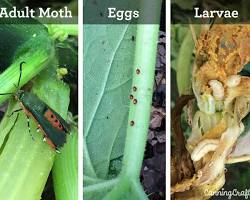
Zucchini vine borers are among the most destructive pests of zucchini and related squash crops because the damaging stage tunnels directly into the stem or vine, disrupting the plant’s ability to move water and nutrients. In many gardens, these pests are responsible for sudden wilting and collapse of otherwise healthy-looking zucchini plants. The insect commonly associated with this damage is the squash vine borer, whose larvae bore into stems and feed internally. Because they are hidden within the plant, infestations are often noticed only after the plant begins to fail.
Unlike leaf-feeding pests that create visible chewing damage, vine borers attack the plant’s structural core. By the time the symptoms become dramatic, the larvae are already protected inside the stem, which makes treatment more difficult. For gardeners growing zucchini, early detection and preventive action are especially important, since even one larva can seriously injure a young plant.
Taxonomy and General Identity
The pest most often referred to in this category is the squash vine borer, the larval stage of a moth in the family Sesiidae, the clearwing moths. Although the adult resembles a wasp at first glance because of its orange-and-black body and active daytime behavior, it is a moth. The adult stage is not the main damaging stage; the larva is the true problem because it bores into zucchini stems and feeds internally.
Identification
Adult vine borers are slender moths with dark forewings and orange or reddish markings on the abdomen. They are active during the day, which causes many gardeners to mistake them for wasps. Eggs are laid on or near the base of host plants, often close to the stem. After hatching, the larvae are pale, grub-like caterpillars with brown heads that tunnel into the vine. Because they stay hidden inside the stem, the larvae are seldom seen until the plant is cut open.
The frass is one of the most useful diagnostic clues. Infested zucchini stems often show a sawdust-like, moist mass near the base where the larva entered. This frass, mixed with plant juices, is a classic sign of vine borer activity and often appears before the plant completely wilts.
Host Plants
Zucchini vine borers attack zucchini, squash, pumpkins, and other cucurbits, though susceptibility varies by species and variety. Plants with thick, hollow, or succulent stems are often preferred. In home gardens, zucchini and summer squash are commonly affected because they are widely planted and produce tender vines that are easy for newly hatched larvae to enter.
Nature of the Damage
The larva bores into the lower stem and feeds internally, damaging the tissues that move water and nutrients through the plant. As feeding progresses, the vine begins to wilt, often starting suddenly on hot days. At first, gardeners may mistake the symptoms for drought stress. However, watering does not solve the problem because the internal stem tissue has been compromised.
As the infestation worsens, leaves yellow, stems weaken, and the entire plant may collapse. In severe cases, fruit production drops sharply or stops completely. Because zucchini is a fast-growing crop, stem failure at the wrong stage can end production just as the plant should be reaching peak harvest.
Life Cycle
Adult moths emerge during the growing season and seek out cucurbit plants for egg-laying. Eggs are usually deposited near the base of stems. After hatching, the larvae bore into the vine and feed inside for days or weeks, depending on conditions. Once mature, they leave the stem and move into the soil, where they pupate. In some climates there may be one generation per year, while warmer regions can experience extended activity or additional generations.
Because much of the life cycle is hidden inside the plant or underground, the insect can be difficult to detect without regular scouting. This is why gardeners often feel that the plant “collapsed overnight,” when in reality the larvae had already been feeding for some time.
Symptoms and Diagnosis
Key symptoms include sudden wilting despite adequate soil moisture, yellowing leaves, stem collapse, and the presence of frass near the lower stem. Splitting the stem may reveal the larva or the tunnels it created. Unlike fungal wilt diseases, vine borer injury is usually concentrated at the entry point and accompanied by chewing debris.
If only one side of the plant wilts at first, that can also be a clue, especially in larger vining plants. In compact zucchini, however, the entire plant may quickly decline. Early-stage infestations may still allow for intervention if diagnosed promptly.
Prevention
Prevention is the most effective strategy. Row covers can protect young zucchini plants from egg-laying adults if installed early, though they must be managed to allow pollination when needed. Crop rotation helps reduce repeated pressure in the same area, especially when pupae overwinter in garden soil. Removing and destroying infested vines at the end of the season prevents larvae from completing development and reduces future populations.
Some gardeners use succession planting so later zucchini plants can replace early ones lost to borers. Others mound soil over lower stems to encourage additional rooting above damaged areas, which may help the plant survive if the infestation is caught early enough. Keeping the garden clean and removing old cucurbit debris also supports long-term control.
Control Methods
Once larvae are inside the stem, control becomes more difficult but not always impossible. In small gardens, some growers carefully slit the infested stem lengthwise, remove the larva by hand, and then bury part of the wounded stem with soil to encourage rooting and recovery. This is delicate work, but it can save the plant when done early.
Monitoring adult moth activity is also useful. Visual scouting for eggs and frass helps target intervention before the plant collapses. In some regions, timing treatments to coincide with egg hatch may be recommended, but success depends heavily on accurate timing and local pest pressure. Any treatments used on edible crops must follow label instructions closely, and pollinator exposure must be minimized since zucchini flowers attract bees extensively.
Integrated Pest Management
Integrated management of zucchini vine borers combines exclusion, timing, sanitation, and plant monitoring. No single tactic is perfect. A strong program includes watching for adult moths, inspecting stem bases for eggs and frass, rotating plantings, removing infested vines, and protecting young plants during the most vulnerable period. In areas with chronic problems, growing less susceptible cucurbit types or staggering plantings may also improve results.
Because the larvae are hidden borers, waiting until visible plant collapse is often too late. The earlier the pest is recognized, the better the odds of saving both individual plants and the overall harvest.
Conclusion
Zucchini vine borers are serious internal stem pests that can rapidly turn healthy zucchini plants into wilted, collapsing vines. Their concealed feeding makes them difficult to control after entry, which is why prevention, early diagnosis, and sanitation are so important. Gardeners should watch for the classic signs of frass near the stem base and sudden wilting that does not respond to watering. With timely monitoring and an integrated approach, zucchini losses from vine borers can be reduced significantly, helping protect one of the garden’s most productive summer crops.