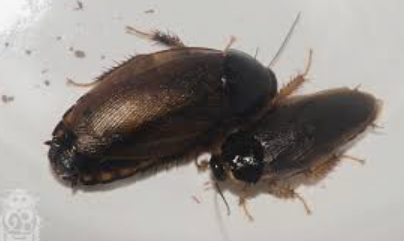
Xenoblatta Roaches are members of the cockroach genus Xenoblatta, a relatively uncommon group of roaches found primarily in tropical and subtropical regions. While they are not as widely known as German Cockroaches or American Cockroaches, certain species have adapted to environments associated with human activity and may become nuisance pests when they invade homes, commercial buildings, or food-handling facilities.
Like other cockroach species, Xenoblatta roaches are scavengers that thrive in warm, humid environments where food, water, and shelter are readily available. Their presence can create sanitation concerns because they contaminate surfaces with droppings, shed skins, saliva, and body fragments. They are also capable of transporting disease-causing microorganisms and triggering allergic reactions in sensitive individuals.
Although relatively little research has been conducted on many Xenoblatta species compared to major pest cockroaches, their biology and behavior closely resemble those of other structural pest roaches.
Taxonomy and Classification
- Kingdom: Animalia
- Phylum: Arthropoda
- Class: Insecta
- Order: Blattodea
- Family: Ectobiidae
- Genus: Xenoblatta
Xenoblatta belongs to the diverse cockroach order Blattodea, which contains thousands of species worldwide. Most cockroaches are beneficial decomposers in natural ecosystems, but a small number become structural pests when they exploit human environments.
Identification
Xenoblatta Roaches display the typical characteristics associated with cockroaches.
- Size: Approximately 10–25 mm long.
- Shape: Flattened, oval body.
- Color: Usually brown, reddish-brown, or dark brown.
- Antennae: Long, thread-like antennae.
- Legs: Spiny running legs adapted for rapid movement.
- Pronotum: Large shield-like plate behind the head.
Nymphs resemble adults but are smaller and lack fully developed wings.
Because many species are poorly studied, precise identification often requires examination by an entomologist.
Distribution and Habitat
Xenoblatta species are primarily associated with tropical and subtropical regions of Central and South America and other Neotropical environments.
Common habitats include:
- Forests
- Leaf litter
- Decaying vegetation
- Urban environments
- Sewers
- Basements
- Kitchens
- Storage facilities
When living indoors, they prefer areas that provide warmth, moisture, darkness, and access to food.
Life Cycle
Xenoblatta Roaches undergo simple metamorphosis.
- Egg Stage: Females produce egg capsules known as oothecae.
- Nymph Stage: Young roaches hatch and resemble miniature adults.
- Adult Stage: Mature insects reproduce and establish new populations.
Development speed depends on temperature, humidity, and food availability.
Food Sources
Xenoblatta Roaches are opportunistic scavengers capable of feeding on a wide variety of organic materials.
- Food scraps
- Grease deposits
- Pet food
- Garbage
- Paper products
- Book bindings
- Glue
- Soap residues
- Decaying organic matter
This broad diet contributes significantly to their ability to survive in human structures.
Damage and Economic Importance
The primary concern associated with Xenoblatta Roaches is contamination rather than structural destruction.
Food Contamination
- Droppings on food.
- Contamination of food preparation surfaces.
- Spread of microorganisms.
- Food spoilage.
Public Health Concerns
Roaches may transport numerous disease-causing organisms.
- Bacteria
- Viruses
- Protozoa
- Parasitic worms
While direct disease transmission is difficult to document, their potential as mechanical vectors is well recognized.
Allergies and Asthma
Cockroach allergens are a significant indoor health concern.
- Shed skins.
- Fecal particles.
- Body fragments.
- Airborne allergens.
Exposure may worsen asthma symptoms, especially in children.
Nuisance Problems
- Visible infestations.
- Musty odors.
- Nocturnal activity.
- Negative customer perceptions in businesses.
Signs of Infestation
Common indicators include:
- Live roaches observed at night.
- Small dark fecal spots.
- Cast skins.
- Egg capsules.
- Musty odors.
- Dead insects in hidden areas.
Heavy infestations often produce a noticeable unpleasant odor.
Behavior and Conflict
Xenoblatta Roaches share many behavioral traits with other structural pest cockroaches.
- Nocturnal: Most activity occurs after dark.
- Secretive: Hide in cracks and crevices during the day.
- Rapid Movement: Quickly escape disturbances.
- Omnivorous Feeding: Consume nearly any organic material.
Their ability to remain hidden allows infestations to grow unnoticed until populations become substantial.
Management and Prevention
Integrated Pest Management (IPM) provides the most effective control strategy.
Sanitation
- Clean food preparation areas daily.
- Remove food debris promptly.
- Store food in sealed containers.
- Empty garbage regularly.
Moisture Control
- Repair plumbing leaks.
- Reduce humidity.
- Improve ventilation.
- Eliminate standing water.
Exclusion
- Seal cracks and crevices.
- Repair damaged screens.
- Close gaps around pipes.
- Install door sweeps.
Chemical Control
- Non-repellent gel baits.
- Bait stations.
- Insect growth regulators (IGRs).
- Targeted crack-and-crevice treatments.
Gel baits are generally the most effective treatment option for indoor infestations.
Conservation and Research
Research on Xenoblatta species remains limited compared to major pest cockroaches. Scientists continue to study their ecology, taxonomy, and potential role as emerging structural pests in urban environments. Understanding these lesser-known roaches helps improve monitoring programs and pest management strategies while expanding knowledge of cockroach biodiversity.
Although Xenoblatta Roaches are not among the world’s most notorious cockroach pests, they possess many of the same characteristics that make cockroaches successful invaders of human structures. Proper sanitation, exclusion, and monitoring remain essential for preventing infestations and minimizing health risks.