Overview
Rat Mites, also known as Rodent Mites, are tiny blood-feeding arachnids that primarily parasitize rodents such as rats and mice. Several species may infest homes and other structures, but the most significant human-biting species is the Tropical Rat Mite (Ornithonyssus bacoti). These mites normally live within rodent nests and feed on their hosts. However, when rodent populations decline, die, or are removed, hungry mites often migrate into human living spaces in search of alternative hosts.
Although rat mites cannot reproduce on humans, they readily bite people, causing intense itching, irritation, and skin inflammation. Infestations frequently occur following rodent control efforts, especially in homes, apartment buildings, warehouses, poultry facilities, and commercial structures where rodents have nested.
Taxonomy and Classification
Rat mites belong to the class Arachnida, making them relatives of spiders, ticks, and scorpions rather than insects.
- Kingdom: Animalia
- Phylum: Arthropoda
- Class: Arachnida
- Subclass: Acari
- Order: Mesostigmata
- Family: Macronyssidae or Laelapidae (depending on species)
Common pest species include:
- Tropical Rat Mite (Ornithonyssus bacoti)
- House Mouse Mite (Liponyssoides sanguineus)
- Spiny Rat Mite (Laelaps echidninus)
- Northern Fowl Mite (Ornithonyssus sylviarum)
All of these species rely heavily on rodent or bird hosts to complete their life cycles.
Physical Description
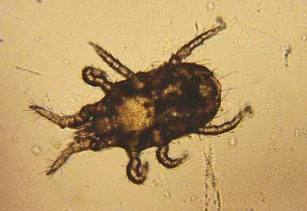
Rat mites are extremely small and difficult to identify without magnification.
- Adult Size: Approximately 0.5 to 1 millimeter long.
- Shape: Oval, flattened body.
- Color: Grayish-white when unfed; reddish to dark brown after feeding.
- Legs: Four pairs of legs, typical of arachnids.
- Movement: Rapidly crawling and highly mobile.
- Conflict: Public health concern and nuisance pest.
Because of their tiny size, infestations are often detected only after bites begin occurring.
Distribution and Habitat
Rat mites occur worldwide wherever rodent populations are present.
Common habitats include:
- Rodent nests
- Wall voids
- Attics
- Ceiling spaces
- Basements
- Crawl spaces
- Garages
- Stored materials
- Bird nests attached to buildings
Mites spend most of their lives in nests, bedding material, and areas immediately surrounding their hosts.
Human infestations frequently occur after:
- Rodent extermination programs
- Natural rodent mortality
- Abandonment of rodent nests
- Removal of bird nests from buildings
Life Cycle
Rat mites undergo simple metamorphosis consisting of several stages.
- Egg
- Larva
- Protonymph
- Deutonymph
- Adult
Egg Stage
Females deposit eggs within rodent nests or nearby harborages.
Larval Stage
Larvae possess only six legs and do not feed.
Nymphal Stages
Nymphs develop through two feeding stages and require blood meals before molting.
Adult Stage
Adults repeatedly feed on blood and may survive for weeks without a host.
Under favorable temperatures, the entire life cycle may be completed in as little as one to two weeks.
Behavior and Conflict
The primary conflict occurs when mites lose access to their normal hosts.
- Host Dependence: Rat mites normally feed on rodents and rarely infest humans when hosts are present.
- Migration: Following rodent removal, mites disperse aggressively through structures seeking new hosts.
- Opportunistic Biting: Humans and pets may be bitten repeatedly when rodents are absent.
- Rapid Movement: Mites crawl quickly across walls, ceilings, furniture, and bedding.
Unlike fleas, rat mites do not jump.
Signs of Infestation
Common indicators include:
- Sudden appearance of itchy bites after rodent control activities.
- Tiny moving specks on walls, bedding, desks, or furniture.
- Evidence of rodents or abandoned rodent nests.
- Bites occurring primarily indoors.
- Mites observed crawling near ceilings, light fixtures, or vents.
Infestations often coincide with the disappearance of rats or mice.
Human Health Concerns
Rat mite bites can cause significant discomfort.
Symptoms
- Intense itching
- Small red bumps or papules
- Localized swelling
- Skin irritation
- Inflammation around bite sites
Bites commonly occur around:
- Waistline
- Wrists
- Neck
- Arms
- Legs
Repeated scratching may lead to secondary bacterial infections.
Disease Potential
Although uncommon, certain rodent mites are capable of carrying pathogens. Research continues to evaluate their potential role in transmitting diseases between animals and humans.
Management and Control (IPM)
Successful management requires eliminating both the mites and their animal hosts.
Primary Strategy: Eliminate the Host
- Trap and remove rats and mice.
- Seal rodent entry points.
- Remove abandoned bird nests when legally permissible.
- Dispose of nesting materials safely.
Failure to eliminate the host source usually results in recurring infestations.
Exclusion
- Seal cracks, gaps, and openings around foundations.
- Install door sweeps.
- Screen attic vents and utility penetrations.
- Repair damaged siding and roofing.
Sanitation
- Vacuum thoroughly around nesting sites.
- Dispose of vacuum contents immediately.
- Remove clutter that may harbor rodents.
- Maintain clean storage areas.
Chemical Control
Residual miticides or acaricides may be applied in:
- Wall voids
- Attics
- Crawl spaces
- Cracks and crevices
- Areas surrounding former rodent nests
Treatments are most effective after rodent removal.
Prevention
- Maintain effective rodent exclusion programs.
- Inspect structures regularly for signs of rodents.
- Remove bird nests from buildings during appropriate seasons.
- Store food in rodent-proof containers.
- Eliminate clutter and nesting sites.
- Respond quickly to rodent infestations.
Research and Future Directions
Current research focuses on understanding the disease transmission potential of rodent mites, improving monitoring techniques, and developing integrated pest management strategies that simultaneously target both rodents and their associated ectoparasites.
Conclusion
Rat Mites are blood-feeding arachnids closely associated with rodents and birds. Although they primarily feed on animal hosts, they readily bite humans when normal hosts disappear. Because infestations are secondary to rodent or bird problems, effective management depends on eliminating host populations, removing nests, and treating affected areas. Early detection and comprehensive IPM practices remain the most effective long-term solutions.