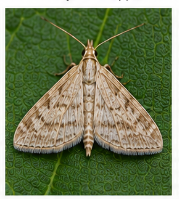
ThePyrausta Moth is a large and diverse genus of small moths belonging to the family Crambidae. With hundreds of species distributed across every continent except Antarctica, these colorful micro-moths are common visitors to gardens, meadows, grasslands, and woodland edges. Many Pyrausta species are associated with herbaceous plants, where their caterpillars feed on leaves, flowers, or developing seed heads. While a few species may occasionally feed on cultivated herbs and ornamentals, the vast majority are minor herbivores that rarely cause significant economic damage.
Because of their attractive wing patterns and wide distribution, Pyrausta moths are frequently encountered by gardeners, naturalists, and moth enthusiasts. Their abundance and diversity also make them valuable indicators of healthy plant communities and ecosystem biodiversity.
Taxonomy and Classification
Pyrausta belongs to the family Crambidae, commonly known as grass moths or crambid moths. This family contains more than 10,000 species worldwide and includes numerous agricultural pests as well as many harmless native species.
- Order: Lepidoptera
- Family: Crambidae
- Subfamily: Pyraustinae
- Genus: Pyrausta
- Common Name: Pyrausta Moths
Hundreds of Pyrausta species have been described worldwide, with many occurring throughout North America.
Physical Description
Pyrausta moths are small but often surprisingly colorful, displaying intricate wing markings that distinguish individual species.
- Wingspan: 15–25 mm
- Color: Brown, reddish-brown, purple, orange, yellow, or gray with contrasting bands or spots
- Body: Slender with narrow wings
- Antennae: Fine and thread-like
- Larvae: Small green, cream, or pale brown caterpillars
When resting, adults typically hold their wings flat or roof-like over the body, creating a compact triangular appearance.
Distribution and Habitat
Pyrausta moths have an almost worldwide distribution and occupy a wide variety of habitats.
Common habitats include:
- Gardens
- Meadows
- Grasslands
- Woodland edges
- Prairies
- Roadsides
- Agricultural fields
- Open shrublands
Many species are especially common where flowering herbs and native wildflowers are abundant.
Life Cycle
Like all moths, Pyrausta species undergo complete metamorphosis.
- Egg: Females lay eggs on or near host plants.
- Larva: Caterpillars feed on leaves, flowers, stems, or seed heads.
- Pupa: Pupation usually occurs inside a loose silk cocoon among vegetation or leaf litter.
- Adult: Adults emerge during spring through autumn depending on species and climate.
Several species produce multiple generations each year in warmer climates.
Behavior and Ecology
Adult Pyrausta moths are generally active during dusk and nighttime hours, although some species may also fly during the day in sunny weather. They frequently visit flowers to feed on nectar while contributing to pollination.
The caterpillars feed primarily on herbaceous plants, including:
- Mint family plants
- Goldenrods
- Asters
- Plantains
- Various wildflowers
- Garden herbs
- Native prairie vegetation
Most species feed externally on foliage, although some create loose silk shelters by tying leaves together for protection.
Economic Importance
Most Pyrausta moths have little economic significance.
- Generally Harmless: Most populations remain small and cause little visible damage.
- Occasional Garden Feeding: Some caterpillars may feed on ornamental herbs or flowers.
- Pollination: Adults visit many flowering plants while feeding on nectar.
- Wildlife Food: Caterpillars and adults provide food for birds, bats, spiders, and beneficial insects.
Healthy plants usually tolerate the limited feeding caused by these small caterpillars.
Management and Prevention
Control is rarely necessary because most Pyrausta species are minor herbivores.
- Inspect ornamental plants if leaf feeding becomes noticeable.
- Hand-remove caterpillars when practical.
- Encourage birds and beneficial predatory insects.
- Avoid unnecessary insecticide applications.
- Maintain diverse native plantings that support ecological balance.
Natural predators and parasitoid wasps usually keep populations well below damaging levels.
Conservation and Research
Researchers study Pyrausta moths because of their remarkable species diversity, host-plant specialization, and ecological importance. Many species are included in biodiversity surveys that monitor habitat quality, pollinator communities, and the effects of environmental change on native insect populations.
Conclusion
Pyrausta moths are small yet ecologically valuable members of the crambid moth family. Although their caterpillars occasionally feed on herbaceous plants, most species are harmless and contribute to healthy ecosystems by supporting food webs and participating in pollination. Their attractive coloration and widespread distribution make them familiar yet often overlooked members of gardens, meadows, and natural landscapes throughout the world.