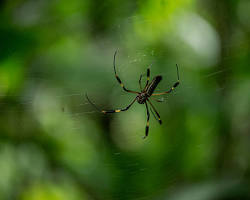
Jungle Spiders is a broad, non-technical term used to describe a wide variety of spider species that inhabit tropical and subtropical forest environments. These ecosystems—often referred to as jungles or rainforests—support an immense diversity of arachnid life, ranging from tiny web-building spiders to large ground-dwelling hunters. Although not a single species or scientific group, jungle spiders collectively play a vital ecological role as highly effective predators that regulate insect populations and help maintain ecosystem balance.
Tropical forests contain some of the highest spider diversity on Earth. Jungle spiders occupy nearly every ecological niche imaginable, from canopy-dwelling orb weavers to leaf-litter hunters and cave-dwelling ambush predators. Some species are brilliantly colored, while others use camouflage to blend perfectly into bark, leaves, vines, or moss-covered surfaces.
Despite their intimidating appearance, the overwhelming majority of jungle spiders are harmless to humans. Most species avoid confrontation and focus entirely on capturing prey such as flies, moths, mosquitoes, beetles, and other arthropods. In fact, these spiders are among the most important natural pest-control organisms in tropical ecosystems.
Quick Facts
- Common Name: Jungle Spiders
- Class: Arachnida
- Order: Araneae
- Habitat: Tropical and subtropical forests
- Diet: Carnivorous
- Main Role: Predator of insects and arthropods
- Behavior: Web-building or active hunting
- Status: Beneficial predators
Taxonomy and Classification
Jungle spiders belong to the order Araneae, which contains more than 50,000 known spider species worldwide. Tropical rainforests contain thousands of species from many different spider families.
Major spider families commonly associated with jungle habitats include:
- Araneidae: Orb-weaving spiders
- Salticidae: Jumping spiders
- Theraphosidae: Tarantulas
- Sparassidae: Huntsman spiders
- Lycosidae: Wolf spiders
- Theridiidae: Cobweb spiders
- Ctenidae: Wandering spiders
Spiders are arachnids, meaning they are more closely related to scorpions and ticks than insects.
Physical Description
Jungle spiders vary dramatically in size, color, and body shape.
General Characteristics
- Eight legs
- Two main body segments
- Multiple eyes
- Silk-producing spinnerets
- Venomous fangs for subduing prey
Size Range
Some species measure only a few millimeters long, while large tropical tarantulas may have leg spans exceeding 10 inches.
Coloration
Many jungle spiders display vivid coloration including:
- Bright green
- Yellow
- Red
- Blue
- Metallic iridescence
- Black-and-white patterns
These colors may serve as camouflage, warning displays, or mating signals.
Silk Production
Most species produce silk for:
- Web construction
- Egg sacs
- Safety lines
- Prey wrapping
- Shelter construction
Orb-weaving species create large, highly organized webs between branches and vegetation.
Distribution and Habitat
Jungle spiders occur throughout tropical and subtropical regions worldwide.
Primary Regions
- Amazon Rainforest
- Congo Basin
- Southeast Asia
- Central America
- Northern Australia
- Pacific islands
Preferred Microhabitats
- Tree canopies
- Leaf litter
- Under bark
- Rock crevices
- Forest understory vegetation
- Near streams and wetlands
Humidity is extremely important for most jungle spider species because it prevents desiccation and supports abundant insect prey.
Behavior and Hunting Strategies
Jungle spiders use a remarkable variety of hunting techniques.
Orb-Weaving Spiders
Orb weavers build intricate circular webs designed to trap flying insects.
- Webs may span several feet
- Often rebuilt daily
- Sticky silk captures prey mechanically
- Some webs display a golden sheen
Golden Silk Orb-Weavers are among the most famous tropical web builders.
Jumping Spiders
Jumping spiders rely on:
- Excellent vision
- Stealth
- Powerful leaps
These spiders actively stalk prey rather than relying on webs.
Ambush Hunters
Some species remain motionless for long periods before rapidly attacking prey that approaches.
Wandering Hunters
Wandering spiders roam the forest floor or vegetation at night searching for insects and small animals.
Mimicry and Camouflage
Many jungle spiders imitate:
- Leaves
- Twigs
- Ants
- Bird droppings
- Bark textures
These adaptations help avoid predators and improve hunting success.
Life Cycle
The life cycle of jungle spiders generally follows three major stages:
- Egg
- Spiderling
- Adult
Egg Sacs
Females produce silk egg sacs attached to vegetation, hidden retreats, or web structures.
Spiderlings
Young spiders hatch and disperse through:
- Crawling
- Ballooning on silk threads
Ballooning allows spiderlings to travel long distances using air currents.
Molting
Spiders molt multiple times before reaching maturity.
Larger species such as tarantulas may live several years, while smaller species often survive less than one year.
Ecological Importance
Jungle spiders are among the most important invertebrate predators in tropical ecosystems.
Natural Pest Control
They consume enormous numbers of:
- Mosquitoes
- Flies
- Moths
- Beetles
- Agricultural pests
Without spiders, insect populations could increase dramatically.
Food Web Role
Spiders also serve as prey for:
- Birds
- Reptiles
- Amphibians
- Small mammals
- Other arthropods
This makes them a critical part of rainforest food chains.
Human Interaction and Risks
Most jungle spiders are harmless to people and prefer avoiding contact.
Bites
Spider bites are relatively rare and usually occur only when:
- The spider is trapped
- Handled directly
- Accidentally compressed
Most bites produce only mild localized symptoms such as redness or swelling.
Venomous Species
Certain tropical spiders possess medically significant venom, including some wandering spiders and large tarantulas, though serious incidents remain uncommon.
Web Nuisance
Large orb-weaver webs built across trails, porches, or pathways can become a nuisance due to their size and strength.
Management and Prevention
Control is rarely necessary because jungle spiders are beneficial predators.
Exclusion
- Seal cracks and gaps
- Install screens
- Reduce indoor insect prey
Web Removal
Outdoor webs near high-traffic areas can simply be relocated using a broom or pole.
Habitat Modification
- Trim dense vegetation near structures
- Reduce clutter
- Control excessive outdoor lighting that attracts insects
Avoid Pesticides
Broad-spectrum insecticides should generally be avoided because they kill beneficial spiders and disrupt ecosystem balance.
Interesting Facts About Jungle Spiders
- Some orb-weaver silk is stronger than steel by weight.
- Jumping spiders possess excellent color vision.
- Certain tarantulas can produce defensive hairs.
- Some tropical spiders mimic ants to avoid predators.
- Orb webs may be rebuilt every single night.
- Many rainforest spiders remain undiscovered by science.
Conservation and Research
Jungle spiders are important indicators of rainforest biodiversity and ecosystem health.
Research areas include:
- Silk biomechanics
- Venom chemistry
- Predator-prey dynamics
- Tropical biodiversity
- Biological pest control
- Climate change impacts
Scientists continue discovering new jungle spider species every year, especially in remote rainforest regions.
Protecting tropical forests is essential for preserving the immense diversity of spider species that inhabit these ecosystems.