Overview
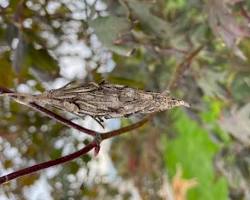
The Banded Net-winged Beetle is a colorful and distinctive beetle belonging to the family Lycidae, a group commonly known as net-winged beetles. These insects are named for the raised ridges and cross-veins on their wing covers, which create a net-like or lattice appearance. Most species display vivid warning colors such as orange, red, yellow, and black, signaling to predators that they are distasteful or chemically protected.
Banded net-winged beetles are considered beneficial insects because their larvae help decompose decaying wood and organic material. Unlike destructive wood-boring beetles, they rarely damage healthy plants or trees. Instead, they contribute positively to forest ecosystems by helping recycle nutrients and supporting natural decomposition processes.
These beetles are commonly encountered in:
- Forests
- Woodland edges
- Gardens
- Parks
- Meadows
- Areas with decaying wood
Adults are often seen resting on flowers or foliage during warm months. Their slow movement and bright coloration make them easy to observe in natural habitats.
Because they are harmless to humans and beneficial to ecosystems, no control measures are generally recommended.
Quick Facts
- Family: Lycidae
- Common Name: Banded Net-winged Beetle
- Habitat: Forests, gardens, woodland edges
- Diet: Decaying organic material and fungi
- Status: Beneficial decomposer
- Primary Role: Nutrient recycling
- Activity Period: Spring through summer
Taxonomy and Classification
- Kingdom: Animalia
- Phylum: Arthropoda
- Class: Insecta
- Order: Coleoptera
- Family: Lycidae
The Lycidae family contains hundreds of species distributed worldwide.
Net-winged beetles are known for:
- Soft-bodied structure
- Bright warning coloration
- Distinctive wing ridges
- Associations with decaying wood
Many species participate in mimicry complexes where unrelated insects evolve similar warning colors to discourage predators.
The Banded Net-winged Beetle is part of a larger group of beneficial beetles associated with woodland decomposition.
Identification
The Banded Net-winged Beetle is easily recognized by its colorful appearance and textured wing covers.
Key identifying characteristics include:
- Bright orange, red, or yellow coloration
- Distinct black bands or markings
- Soft elongated body
- Net-like ridges on the wing covers
- Moderately long antennae
Adults are usually small to medium-sized and range from approximately 0.25 to 0.75 inches long.
The wing covers possess raised ridges that form a lattice or “netted” appearance, which distinguishes these beetles from many other species.
The bright coloration serves as a warning to predators that the beetles may:
- Taste unpleasant
- Contain defensive chemicals
- Be difficult to digest
Larvae are elongated, flattened, and often dark-colored with segmented bodies adapted for life in moist wood or leaf litter.
Distribution and Habitat
Banded net-winged beetles are widely distributed throughout North America.
They are especially common in regions with:
- Deciduous forests
- Mixed woodlands
- Moist organic debris
- Rotting logs
- Forest leaf litter
Adults are frequently observed resting on:
- Leaves
- Flowers
- Tree bark
- Dead wood
Preferred habitats include:
- Woodland trails
- Forest clearings
- Natural gardens
- Parks
- Compost-rich areas
Because the larvae require moisture and decomposing material, the beetles are most abundant in habitats with high organic matter.
Life Cycle
The Banded Net-winged Beetle undergoes complete metamorphosis.
Egg Stage
Females lay eggs in moist locations associated with decaying wood or organic debris.
Egg-laying sites may include:
- Rotting logs
- Tree stumps
- Leaf litter
- Soil rich in decomposing material
Larval Stage
Larvae develop within decaying organic matter where they feed primarily on:
- Fungi
- Rotting wood
- Organic debris
- Microbial material
This stage may last several months depending on environmental conditions.
The larvae play an important ecological role by:
- Accelerating decomposition
- Breaking down dead plant material
- Improving soil nutrient cycling
Pupal Stage
Pupation occurs in protected areas within wood, soil, or organic debris.
During this stage, the larva transforms into the adult beetle.
Adult Stage
Adults emerge during warm months and are active throughout spring and summer.
Adult beetles are commonly observed:
- On flowers
- Resting on vegetation
- Walking slowly on bark
- Flying short distances
Adults may feed on:
- Nectar
- Pollen
- Fungal material
- Moist organic substances
Behavior and Ecology
Banded net-winged beetles are beneficial insects that contribute to healthy forest ecosystems.
Their larvae assist in:
- Wood decomposition
- Fungal breakdown
- Nutrient recycling
- Organic matter decomposition
Adults are relatively slow-moving and rely heavily on warning coloration for defense.
Many predators avoid them because of their:
- Bright coloration
- Chemical defenses
- Unpleasant taste
These beetles are part of larger mimicry systems involving:
- Soldier beetles
- Fireflies
- Other net-winged beetles
Several unrelated insects may share similar orange-and-black patterns for mutual protection against predators.
Pest Status
The Banded Net-winged Beetle is not considered a pest.
Unlike destructive wood-boring insects, it:
- Rarely attacks healthy trees
- Does not infest homes
- Does not damage crops
- Does not spread disease
Instead, the species is beneficial because it supports natural decomposition and nutrient cycling.
Its presence often indicates:
- Healthy woodland ecosystems
- Abundant organic matter
- Balanced forest conditions
Natural Predators
Although protected by warning coloration, banded net-winged beetles may still be preyed upon by:
- Birds
- Spiders
- Small reptiles
- Predatory insects
However, many predators quickly learn to avoid them after negative experiences.
Human Interaction
Banded net-winged beetles are harmless to humans.
They:
- Do not bite
- Do not sting
- Do not damage structures
- Do not infest food products
Many people enjoy observing these beetles because of their:
- Bright coloration
- Distinctive textures
- Interesting ecological role
They are commonly photographed by nature enthusiasts and insect observers.
Conservation Importance
Net-winged beetles contribute significantly to ecosystem health.
They help:
- Recycle dead plant material
- Support forest nutrient cycles
- Provide food for wildlife
- Maintain healthy decomposition systems
Protecting woodland habitats and reducing unnecessary pesticide use supports populations of these beneficial insects.
Interesting Facts
- The ridged wing covers create the beetle’s distinctive “net-winged” appearance.
- Bright coloration warns predators that the beetle may be toxic or distasteful.
- Many species participate in insect mimicry systems.
- Larvae contribute to decomposition of dead wood and organic matter.
- Net-winged beetles are closely associated with fungi and woodland ecosystems.
Conclusion
The Banded Net-winged Beetle is a colorful and ecologically beneficial beetle known for its bright orange-and-black coloration and distinctive net-like wing texture. Found throughout forests, gardens, and woodland habitats, these beetles play an important role in decomposition and nutrient recycling. Unlike destructive beetle pests, they rarely harm healthy plants or trees and instead contribute positively to ecosystem balance. Their vivid appearance, harmless nature, and role as decomposers make them valuable members of woodland environments.
Related Pestipedia Articles
” width=”300″ height=”200″ alt=”Banded Net-winged Beetle – Pestipedia” />
Overview
The Banded Net-winged Beetle is a colorful and distinctive beetle belonging to the family Lycidae, a group commonly known as net-winged beetles. These insects are named for the raised ridges and cross-veins on their wing covers, which create a net-like or lattice appearance. Most species display vivid warning colors such as orange, red, yellow, and black, signaling to predators that they are distasteful or chemically protected.
Banded net-winged beetles are considered beneficial insects because their larvae help decompose decaying wood and organic material. Unlike destructive wood-boring beetles, they rarely damage healthy plants or trees. Instead, they contribute positively to forest ecosystems by helping recycle nutrients and supporting natural decomposition processes.
These beetles are commonly encountered in:
- Forests
- Woodland edges
- Gardens
- Parks
- Meadows
- Areas with decaying wood
Adults are often seen resting on flowers or foliage during warm months. Their slow movement and bright coloration make them easy to observe in natural habitats.
Because they are harmless to humans and beneficial to ecosystems, no control measures are generally recommended.
Quick Facts
- Family: Lycidae
- Common Name: Banded Net-winged Beetle
- Habitat: Forests, gardens, woodland edges
- Diet: Decaying organic material and fungi
- Status: Beneficial decomposer
- Primary Role: Nutrient recycling
- Activity Period: Spring through summer
Taxonomy and Classification
- Kingdom: Animalia
- Phylum: Arthropoda
- Class: Insecta
- Order: Coleoptera
- Family: Lycidae
The Lycidae family contains hundreds of species distributed worldwide.
Net-winged beetles are known for:
- Soft-bodied structure
- Bright warning coloration
- Distinctive wing ridges
- Associations with decaying wood
Many species participate in mimicry complexes where unrelated insects evolve similar warning colors to discourage predators.
The Banded Net-winged Beetle is part of a larger group of beneficial beetles associated with woodland decomposition.
Identification
The Banded Net-winged Beetle is easily recognized by its colorful appearance and textured wing covers.
Key identifying characteristics include:
- Bright orange, red, or yellow coloration
- Distinct black bands or markings
- Soft elongated body
- Net-like ridges on the wing covers
- Moderately long antennae
Adults are usually small to medium-sized and range from approximately 0.25 to 0.75 inches long.
The wing covers possess raised ridges that form a lattice or “netted” appearance, which distinguishes these beetles from many other species.
The bright coloration serves as a warning to predators that the beetles may:
- Taste unpleasant
- Contain defensive chemicals
- Be difficult to digest
Larvae are elongated, flattened, and often dark-colored with segmented bodies adapted for life in moist wood or leaf litter.
Distribution and Habitat
Banded net-winged beetles are widely distributed throughout North America.
They are especially common in regions with:
- Deciduous forests
- Mixed woodlands
- Moist organic debris
- Rotting logs
- Forest leaf litter
Adults are frequently observed resting on:
- Leaves
- Flowers
- Tree bark
- Dead wood
Preferred habitats include:
- Woodland trails
- Forest clearings
- Natural gardens
- Parks
- Compost-rich areas
Because the larvae require moisture and decomposing material, the beetles are most abundant in habitats with high organic matter.
Life Cycle
The Banded Net-winged Beetle undergoes complete metamorphosis.
Egg Stage
Females lay eggs in moist locations associated with decaying wood or organic debris.
Egg-laying sites may include:
- Rotting logs
- Tree stumps
- Leaf litter
- Soil rich in decomposing material
Larval Stage
Larvae develop within decaying organic matter where they feed primarily on:
- Fungi
- Rotting wood
- Organic debris
- Microbial material
This stage may last several months depending on environmental conditions.
The larvae play an important ecological role by:
- Accelerating decomposition
- Breaking down dead plant material
- Improving soil nutrient cycling
Pupal Stage
Pupation occurs in protected areas within wood, soil, or organic debris.
During this stage, the larva transforms into the adult beetle.
Adult Stage
Adults emerge during warm months and are active throughout spring and summer.
Adult beetles are commonly observed:
- On flowers
- Resting on vegetation
- Walking slowly on bark
- Flying short distances
Adults may feed on:
- Nectar
- Pollen
- Fungal material
- Moist organic substances
Behavior and Ecology
Banded net-winged beetles are beneficial insects that contribute to healthy forest ecosystems.
Their larvae assist in:
- Wood decomposition
- Fungal breakdown
- Nutrient recycling
- Organic matter decomposition
Adults are relatively slow-moving and rely heavily on warning coloration for defense.
Many predators avoid them because of their:
- Bright coloration
- Chemical defenses
- Unpleasant taste
These beetles are part of larger mimicry systems involving:
- Soldier beetles
- Fireflies
- Other net-winged beetles
Several unrelated insects may share similar orange-and-black patterns for mutual protection against predators.
Pest Status
The Banded Net-winged Beetle is not considered a pest.
Unlike destructive wood-boring insects, it:
- Rarely attacks healthy trees
- Does not infest homes
- Does not damage crops
- Does not spread disease
Instead, the species is beneficial because it supports natural decomposition and nutrient cycling.
Its presence often indicates:
- Healthy woodland ecosystems
- Abundant organic matter
- Balanced forest conditions
Natural Predators
Although protected by warning coloration, banded net-winged beetles may still be preyed upon by:
- Birds
- Spiders
- Small reptiles
- Predatory insects
However, many predators quickly learn to avoid them after negative experiences.
Human Interaction
Banded net-winged beetles are harmless to humans.
They:
- Do not bite
- Do not sting
- Do not damage structures
- Do not infest food products
Many people enjoy observing these beetles because of their:
- Bright coloration
- Distinctive textures
- Interesting ecological role
They are commonly photographed by nature enthusiasts and insect observers.
Conservation Importance
Net-winged beetles contribute significantly to ecosystem health.
They help:
- Recycle dead plant material
- Support forest nutrient cycles
- Provide food for wildlife
- Maintain healthy decomposition systems
Protecting woodland habitats and reducing unnecessary pesticide use supports populations of these beneficial insects.
Interesting Facts
- The ridged wing covers create the beetle’s distinctive “net-winged” appearance.
- Bright coloration warns predators that the beetle may be toxic or distasteful.
- Many species participate in insect mimicry systems.
- Larvae contribute to decomposition of dead wood and organic matter.
- Net-winged beetles are closely associated with fungi and woodland ecosystems.
Conclusion
The Banded Net-winged Beetle is a colorful and ecologically beneficial beetle known for its bright orange-and-black coloration and distinctive net-like wing texture. Found throughout forests, gardens, and woodland habitats, these beetles play an important role in decomposition and nutrient recycling. Unlike destructive beetle pests, they rarely harm healthy plants or trees and instead contribute positively to ecosystem balance. Their vivid appearance, harmless nature, and role as decomposers make them valuable members of woodland environments.
Related Pestipedia Articles
” width=”300″ height=”200″ alt=”Banded Net-winged Beetle – Pestipedia” />
Overview
The Banded Net-winged Beetle is a colorful and distinctive beetle belonging to the family Lycidae, a group commonly known as net-winged beetles. These insects are named for the raised ridges and cross-veins on their wing covers, which create a net-like or lattice appearance. Most species display vivid warning colors such as orange, red, yellow, and black, signaling to predators that they are distasteful or chemically protected.
Banded net-winged beetles are considered beneficial insects because their larvae help decompose decaying wood and organic material. Unlike destructive wood-boring beetles, they rarely damage healthy plants or trees. Instead, they contribute positively to forest ecosystems by helping recycle nutrients and supporting natural decomposition processes.
These beetles are commonly encountered in:
- Forests
- Woodland edges
- Gardens
- Parks
- Meadows
- Areas with decaying wood
Adults are often seen resting on flowers or foliage during warm months. Their slow movement and bright coloration make them easy to observe in natural habitats.
Because they are harmless to humans and beneficial to ecosystems, no control measures are generally recommended.
Quick Facts
- Family: Lycidae
- Common Name: Banded Net-winged Beetle
- Habitat: Forests, gardens, woodland edges
- Diet: Decaying organic material and fungi
- Status: Beneficial decomposer
- Primary Role: Nutrient recycling
- Activity Period: Spring through summer
Taxonomy and Classification
- Kingdom: Animalia
- Phylum: Arthropoda
- Class: Insecta
- Order: Coleoptera
- Family: Lycidae
The Lycidae family contains hundreds of species distributed worldwide.
Net-winged beetles are known for:
- Soft-bodied structure
- Bright warning coloration
- Distinctive wing ridges
- Associations with decaying wood
Many species participate in mimicry complexes where unrelated insects evolve similar warning colors to discourage predators.
The Banded Net-winged Beetle is part of a larger group of beneficial beetles associated with woodland decomposition.
Identification
The Banded Net-winged Beetle is easily recognized by its colorful appearance and textured wing covers.
Key identifying characteristics include:
- Bright orange, red, or yellow coloration
- Distinct black bands or markings
- Soft elongated body
- Net-like ridges on the wing covers
- Moderately long antennae
Adults are usually small to medium-sized and range from approximately 0.25 to 0.75 inches long.
The wing covers possess raised ridges that form a lattice or “netted” appearance, which distinguishes these beetles from many other species.
The bright coloration serves as a warning to predators that the beetles may:
- Taste unpleasant
- Contain defensive chemicals
- Be difficult to digest
Larvae are elongated, flattened, and often dark-colored with segmented bodies adapted for life in moist wood or leaf litter.
Distribution and Habitat
Banded net-winged beetles are widely distributed throughout North America.
They are especially common in regions with:
- Deciduous forests
- Mixed woodlands
- Moist organic debris
- Rotting logs
- Forest leaf litter
Adults are frequently observed resting on:
- Leaves
- Flowers
- Tree bark
- Dead wood
Preferred habitats include:
- Woodland trails
- Forest clearings
- Natural gardens
- Parks
- Compost-rich areas
Because the larvae require moisture and decomposing material, the beetles are most abundant in habitats with high organic matter.
Life Cycle
The Banded Net-winged Beetle undergoes complete metamorphosis.
Egg Stage
Females lay eggs in moist locations associated with decaying wood or organic debris.
Egg-laying sites may include:
- Rotting logs
- Tree stumps
- Leaf litter
- Soil rich in decomposing material
Larval Stage
Larvae develop within decaying organic matter where they feed primarily on:
- Fungi
- Rotting wood
- Organic debris
- Microbial material
This stage may last several months depending on environmental conditions.
The larvae play an important ecological role by:
- Accelerating decomposition
- Breaking down dead plant material
- Improving soil nutrient cycling
Pupal Stage
Pupation occurs in protected areas within wood, soil, or organic debris.
During this stage, the larva transforms into the adult beetle.
Adult Stage
Adults emerge during warm months and are active throughout spring and summer.
Adult beetles are commonly observed:
- On flowers
- Resting on vegetation
- Walking slowly on bark
- Flying short distances
Adults may feed on:
- Nectar
- Pollen
- Fungal material
- Moist organic substances
Behavior and Ecology
Banded net-winged beetles are beneficial insects that contribute to healthy forest ecosystems.
Their larvae assist in:
- Wood decomposition
- Fungal breakdown
- Nutrient recycling
- Organic matter decomposition
Adults are relatively slow-moving and rely heavily on warning coloration for defense.
Many predators avoid them because of their:
- Bright coloration
- Chemical defenses
- Unpleasant taste
These beetles are part of larger mimicry systems involving:
- Soldier beetles
- Fireflies
- Other net-winged beetles
Several unrelated insects may share similar orange-and-black patterns for mutual protection against predators.
Pest Status
The Banded Net-winged Beetle is not considered a pest.
Unlike destructive wood-boring insects, it:
- Rarely attacks healthy trees
- Does not infest homes
- Does not damage crops
- Does not spread disease
Instead, the species is beneficial because it supports natural decomposition and nutrient cycling.
Its presence often indicates:
- Healthy woodland ecosystems
- Abundant organic matter
- Balanced forest conditions
Natural Predators
Although protected by warning coloration, banded net-winged beetles may still be preyed upon by:
- Birds
- Spiders
- Small reptiles
- Predatory insects
However, many predators quickly learn to avoid them after negative experiences.
Human Interaction
Banded net-winged beetles are harmless to humans.
They:
- Do not bite
- Do not sting
- Do not damage structures
- Do not infest food products
Many people enjoy observing these beetles because of their:
- Bright coloration
- Distinctive textures
- Interesting ecological role
They are commonly photographed by nature enthusiasts and insect observers.
Conservation Importance
Net-winged beetles contribute significantly to ecosystem health.
They help:
- Recycle dead plant material
- Support forest nutrient cycles
- Provide food for wildlife
- Maintain healthy decomposition systems
Protecting woodland habitats and reducing unnecessary pesticide use supports populations of these beneficial insects.
Interesting Facts
- The ridged wing covers create the beetle’s distinctive “net-winged” appearance.
- Bright coloration warns predators that the beetle may be toxic or distasteful.
- Many species participate in insect mimicry systems.
- Larvae contribute to decomposition of dead wood and organic matter.
- Net-winged beetles are closely associated with fungi and woodland ecosystems.
Conclusion
The Banded Net-winged Beetle is a colorful and ecologically beneficial beetle known for its bright orange-and-black coloration and distinctive net-like wing texture. Found throughout forests, gardens, and woodland habitats, these beetles play an important role in decomposition and nutrient recycling. Unlike destructive beetle pests, they rarely harm healthy plants or trees and instead contribute positively to ecosystem balance. Their vivid appearance, harmless nature, and role as decomposers make them valuable members of woodland environments.
Related Pestipedia Articles
” width=”300″ height=”200″ alt=”Banded Net-winged Beetle – Pestipedia” />
Overview
The Banded Net-winged Beetle is a colorful and distinctive beetle belonging to the family Lycidae, a group commonly known as net-winged beetles. These insects are named for the raised ridges and cross-veins on their wing covers, which create a net-like or lattice appearance. Most species display vivid warning colors such as orange, red, yellow, and black, signaling to predators that they are distasteful or chemically protected.
Banded net-winged beetles are considered beneficial insects because their larvae help decompose decaying wood and organic material. Unlike destructive wood-boring beetles, they rarely damage healthy plants or trees. Instead, they contribute positively to forest ecosystems by helping recycle nutrients and supporting natural decomposition processes.
These beetles are commonly encountered in:
- Forests
- Woodland edges
- Gardens
- Parks
- Meadows
- Areas with decaying wood
Adults are often seen resting on flowers or foliage during warm months. Their slow movement and bright coloration make them easy to observe in natural habitats.
Because they are harmless to humans and beneficial to ecosystems, no control measures are generally recommended.
Quick Facts
- Family: Lycidae
- Common Name: Banded Net-winged Beetle
- Habitat: Forests, gardens, woodland edges
- Diet: Decaying organic material and fungi
- Status: Beneficial decomposer
- Primary Role: Nutrient recycling
- Activity Period: Spring through summer
Taxonomy and Classification
- Kingdom: Animalia
- Phylum: Arthropoda
- Class: Insecta
- Order: Coleoptera
- Family: Lycidae
The Lycidae family contains hundreds of species distributed worldwide.
Net-winged beetles are known for:
- Soft-bodied structure
- Bright warning coloration
- Distinctive wing ridges
- Associations with decaying wood
Many species participate in mimicry complexes where unrelated insects evolve similar warning colors to discourage predators.
The Banded Net-winged Beetle is part of a larger group of beneficial beetles associated with woodland decomposition.
Identification
The Banded Net-winged Beetle is easily recognized by its colorful appearance and textured wing covers.
Key identifying characteristics include:
- Bright orange, red, or yellow coloration
- Distinct black bands or markings
- Soft elongated body
- Net-like ridges on the wing covers
- Moderately long antennae
Adults are usually small to medium-sized and range from approximately 0.25 to 0.75 inches long.
The wing covers possess raised ridges that form a lattice or “netted” appearance, which distinguishes these beetles from many other species.
The bright coloration serves as a warning to predators that the beetles may:
- Taste unpleasant
- Contain defensive chemicals
- Be difficult to digest
Larvae are elongated, flattened, and often dark-colored with segmented bodies adapted for life in moist wood or leaf litter.
Distribution and Habitat
Banded net-winged beetles are widely distributed throughout North America.
They are especially common in regions with:
- Deciduous forests
- Mixed woodlands
- Moist organic debris
- Rotting logs
- Forest leaf litter
Adults are frequently observed resting on:
- Leaves
- Flowers
- Tree bark
- Dead wood
Preferred habitats include:
- Woodland trails
- Forest clearings
- Natural gardens
- Parks
- Compost-rich areas
Because the larvae require moisture and decomposing material, the beetles are most abundant in habitats with high organic matter.
Life Cycle
The Banded Net-winged Beetle undergoes complete metamorphosis.
Egg Stage
Females lay eggs in moist locations associated with decaying wood or organic debris.
Egg-laying sites may include:
- Rotting logs
- Tree stumps
- Leaf litter
- Soil rich in decomposing material
Larval Stage
Larvae develop within decaying organic matter where they feed primarily on:
- Fungi
- Rotting wood
- Organic debris
- Microbial material
This stage may last several months depending on environmental conditions.
The larvae play an important ecological role by:
- Accelerating decomposition
- Breaking down dead plant material
- Improving soil nutrient cycling
Pupal Stage
Pupation occurs in protected areas within wood, soil, or organic debris.
During this stage, the larva transforms into the adult beetle.
Adult Stage
Adults emerge during warm months and are active throughout spring and summer.
Adult beetles are commonly observed:
- On flowers
- Resting on vegetation
- Walking slowly on bark
- Flying short distances
Adults may feed on:
- Nectar
- Pollen
- Fungal material
- Moist organic substances
Behavior and Ecology
Banded net-winged beetles are beneficial insects that contribute to healthy forest ecosystems.
Their larvae assist in:
- Wood decomposition
- Fungal breakdown
- Nutrient recycling
- Organic matter decomposition
Adults are relatively slow-moving and rely heavily on warning coloration for defense.
Many predators avoid them because of their:
- Bright coloration
- Chemical defenses
- Unpleasant taste
These beetles are part of larger mimicry systems involving:
- Soldier beetles
- Fireflies
- Other net-winged beetles
Several unrelated insects may share similar orange-and-black patterns for mutual protection against predators.
Pest Status
The Banded Net-winged Beetle is not considered a pest.
Unlike destructive wood-boring insects, it:
- Rarely attacks healthy trees
- Does not infest homes
- Does not damage crops
- Does not spread disease
Instead, the species is beneficial because it supports natural decomposition and nutrient cycling.
Its presence often indicates:
- Healthy woodland ecosystems
- Abundant organic matter
- Balanced forest conditions
Natural Predators
Although protected by warning coloration, banded net-winged beetles may still be preyed upon by:
- Birds
- Spiders
- Small reptiles
- Predatory insects
However, many predators quickly learn to avoid them after negative experiences.
Human Interaction
Banded net-winged beetles are harmless to humans.
They:
- Do not bite
- Do not sting
- Do not damage structures
- Do not infest food products
Many people enjoy observing these beetles because of their:
- Bright coloration
- Distinctive textures
- Interesting ecological role
They are commonly photographed by nature enthusiasts and insect observers.
Conservation Importance
Net-winged beetles contribute significantly to ecosystem health.
They help:
- Recycle dead plant material
- Support forest nutrient cycles
- Provide food for wildlife
- Maintain healthy decomposition systems
Protecting woodland habitats and reducing unnecessary pesticide use supports populations of these beneficial insects.
Interesting Facts
- The ridged wing covers create the beetle’s distinctive “net-winged” appearance.
- Bright coloration warns predators that the beetle may be toxic or distasteful.
- Many species participate in insect mimicry systems.
- Larvae contribute to decomposition of dead wood and organic matter.
- Net-winged beetles are closely associated with fungi and woodland ecosystems.
Conclusion
The Banded Net-winged Beetle is a colorful and ecologically beneficial beetle known for its bright orange-and-black coloration and distinctive net-like wing texture. Found throughout forests, gardens, and woodland habitats, these beetles play an important role in decomposition and nutrient recycling. Unlike destructive beetle pests, they rarely harm healthy plants or trees and instead contribute positively to ecosystem balance. Their vivid appearance, harmless nature, and role as decomposers make them valuable members of woodland environments.