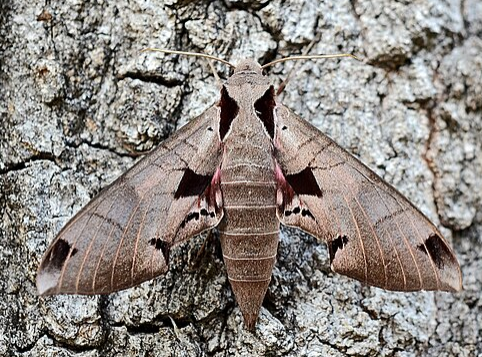
Achemon Sphinx Moth (Eumorpha achemon) is a large and visually striking species of moth in the family Sphingidae, commonly known as hawk moths or sphinx moths. This species is widely distributed across North America and is known for its powerful flight, rapid wingbeats, and caterpillars that resemble small snakes when threatened. While generally not considered a serious pest, the larval stage can occasionally cause noticeable damage to host plants, particularly grapevines.
The Achemon Sphinx Moth is often admired for its ecological role as both a pollinator and a food source for wildlife. Its unique appearance and behavior make it a notable species in both natural and cultivated landscapes.
Taxonomy and Classification
- Common Name: Achemon Sphinx Moth
- Scientific Name: Eumorpha achemon
- Order: Lepidoptera
- Family: Sphingidae
- Type: Hawk moth (sphinx moth)
The family Sphingidae includes many fast-flying moths known for their hovering ability, similar to hummingbirds. These moths are often active at dusk and night, feeding on nectar from flowers.
Identification and Physical Description
Adult Achemon Sphinx Moths are medium to large in size, with a wingspan typically ranging from 2.5 to 3.5 inches. Their coloration varies from brown and gray to reddish tones, often with subtle markings that provide camouflage against bark and foliage.
The larvae are much more noticeable. Caterpillars are large, smooth, and can reach up to 3 inches in length. They vary in color from green to brown and may display distinctive eye-like spots on their body segments. When disturbed, the caterpillar may retract its head and inflate its front segments, creating a snake-like appearance that helps deter predators.
Unlike many sphinx moth caterpillars, Achemon Sphinx larvae lack a prominent tail horn in later stages, which helps distinguish them from related species.
Life Cycle
The Achemon Sphinx Moth undergoes complete metamorphosis, progressing through egg, larva, pupa, and adult stages.
Females lay eggs on host plants, typically on the underside of leaves. After hatching, larvae begin feeding on foliage. The caterpillar stage is the primary feeding period and can last several weeks.
When fully grown, larvae drop to the ground and burrow into the soil to pupate. The pupal stage may last through the winter in cooler climates, with adults emerging in late spring or early summer.
In warmer regions, there may be multiple generations per year, while cooler areas typically see one generation annually.
Host Plants
Achemon Sphinx caterpillars feed on a variety of plants, particularly those in the grape family (Vitaceae). Common host plants include:
- Grapevines
- Virginia creeper
- Other related climbing plants
Because of their feeding habits, they are sometimes considered minor pests in vineyards and ornamental plantings.
Damage and Symptoms
Larval feeding results in the consumption of leaf tissue, which can lead to:
- Chewed or missing leaves
- Defoliation of vines and climbing plants
- Reduced plant vigor in severe infestations
In most cases, damage is localized and not severe enough to threaten plant health. However, high populations may cause noticeable defoliation, particularly in vineyards.
Habitat and Distribution
The Achemon Sphinx Moth is found throughout much of North America, including the United States, southern Canada, and parts of Mexico. It is commonly found in:
- Woodlands and forest edges
- Gardens and residential landscapes
- Vineyards and agricultural areas
- Areas with abundant host plants
This species is adaptable and can thrive in both natural and human-modified environments.
Behavior and Ecology
Adult Achemon Sphinx Moths are strong fliers and are primarily active during the evening and night. They feed on nectar from flowers, playing an important role in pollination.
Their hovering behavior while feeding is similar to that of hummingbirds, allowing them to access deep or tubular flowers.
Larvae are relatively solitary and rely on camouflage and defensive behaviors to avoid predation. Their snake-like display is an effective deterrent against potential predators.
As part of the ecosystem, Achemon Sphinx Moths serve as a food source for birds, bats, and other insectivores.
Management and Control
Control is rarely necessary due to the generally low impact of this species. However, in cases where caterpillar populations are high, especially in vineyards, management may be considered.
- Hand removal: Caterpillars can be removed manually from plants.
- Encourage natural predators: Birds and beneficial insects help regulate populations.
- Monitor plant health: Regular inspection helps detect early feeding damage.
- Targeted treatments: Insecticides may be used if infestations become severe, though typically unnecessary.
Integrated pest management practices are recommended to minimize impact while preserving beneficial insects.
Prevention
Preventative measures focus on maintaining healthy plants and monitoring for early signs of infestation.
- Inspect host plants regularly
- Maintain proper plant care and nutrition
- Encourage biodiversity to support natural pest control
- Avoid overuse of broad-spectrum insecticides
Healthy plants are more resilient and better able to tolerate minor feeding damage.
Related Articles
Conclusion
The Achemon Sphinx Moth is a fascinating species known for its striking caterpillars and strong-flying adults. While it may occasionally cause minor plant damage, it is generally not considered a serious pest.
Its role as a pollinator and part of the natural food web highlights its ecological importance. With proper monitoring and minimal intervention, this species can coexist with gardens, landscapes, and agricultural systems without causing significant harm.