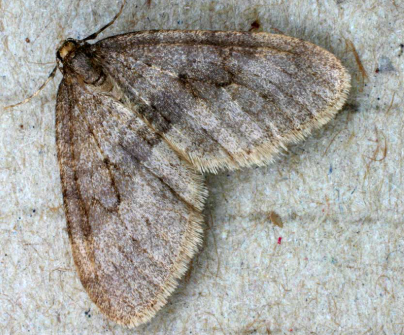
The Winter Moth (Operophtera brumata) is a moth species that belongs to the family Geometridae. It is known for its distinctive behavior of adult males flying during the winter months, hence its common name. Winter Moths are found in various regions, particularly in parts of Europe and North America. While they are fascinating from a biological perspective, their caterpillars can cause significant damage to a range of deciduous trees and shrubs. Understanding the life cycle, behavior, impact, and management strategies for Winter Moths is crucial for effective pest control and minimizing defoliation in affected areas.
Taxonomy and Classification
The Winter Moth, Operophtera brumata, is a member of the family Geometridae within the order Lepidoptera. It belongs to the genus Operophtera, which includes several other closely related species.
Description and Appearance
The adult male Winter Moth has a wingspan of about 20 to 35 millimeters (0.8 to 1.4 inches) and is characterized by its ability to fly during the winter months. It has grayish-brown forewings and hindwings, with feathery antennae used to detect pheromones released by the flightless females.
The adult female Winter Moth has reduced wings and is incapable of flight. It has a pale whitish or yellowish color, with a larger and plumper body compared to the males.
Similar Species
Several moth species can easily be mistaken for the winter moth (Operophtera brumata), making accurate identification challenging for both amateur observers and experienced entomologists. These species often share similar size, coloration, and seasonal activity, leading to frequent misidentification in the field.
Common Look-Alike Species
One of the most commonly confused species is the March moth (Alsophila aescularia). Male March moths have slender bodies and wing shapes that closely resemble those of winter moth males. Both species are active during the colder months, further complicating identification.
Another similar species is the November moth (Epirrita dilutata), which shares a muted brown or gray coloration and overlapping geographic range. However, November moths typically emerge earlier in the season, often appearing in late autumn before winter moth activity peaks.
Key Identification Differences
Distinguishing between these species requires careful observation of several characteristics. Flight timing is one of the most useful indicators, as winter moths are most active during mild winter nights, while similar species tend to emerge slightly earlier or later in the season.
In addition to timing, subtle differences in wing markings and coloration can help with identification. Although these variations may be difficult to spot without experience, they can provide important clues when comparing specimens side by side.
The shape and resting posture of the moth can also aid in identification. Observing how the wings are held at rest and the overall body profile can help differentiate winter moths from their close relatives.
Identification Resources
For more precise identification, consulting detailed field guides and entomological references is recommended. Resources such as publications from the Royal Entomological Society or the Collins Complete Guide to British Insects provide in-depth descriptions and visual comparisons that can assist in distinguishing between closely related moth species.
Accurate identification is important for monitoring seasonal pest activity and understanding local ecosystems, especially in regions where winter moth populations can have significant environmental and economic impacts.
Life Cycle and Behavior
Winter Moths have a life cycle that spans several months and involves different developmental stages.
- Egg Stage: Adult females lay eggs on the bark and twigs of host plants in late fall or early winter. The eggs are small and typically hatch in early spring.
- Larval Stage: The caterpillars emerge from the eggs and begin feeding on the buds, leaves, and flowers of host plants. They go through several instars or growth stages before reaching maturity. The caterpillars are greenish with a pale yellow stripe along the sides and measure around 20 to 30 millimeters (0.8 to 1.2 inches) in length.
- Pupal Stage: Fully grown caterpillars drop to the ground, where they form pupae within silken cocoons in the soil or leaf litter. The pupal stage lasts for several weeks to several months, depending on environmental conditions.
- Adult Stage: After completing pupation, adult moths emerge in late fall or early winter. Males are active fliers, while the flightless females release pheromones to attract males for mating.
Host Plants and Damage
Winter Moth caterpillars primarily feed on the foliage of deciduous trees and shrubs. They have a wide host range that includes various species, such as oak, maple, apple, cherry, and birch trees.
The caterpillars can cause significant defoliation if their populations are high. Severe infestations can weaken or stress host plants, potentially leading to decreased growth, reduced fruit production, and increased susceptibility to other pests and diseases.
Distribution and Impact
Winter Moths are native to parts of Europe, but they have been introduced to other regions, including North America. In North America, they have become invasive pests in certain areas, particularly in the northeastern United States and eastern Canada. Their impact on forests, urban landscapes, and agricultural crops has raised concerns among researchers, foresters, and horticulturists.
Detection and Management
Managing Winter Moths can be challenging, and various control strategies are employed to mitigate their impact. Some key management practices include:
- Biological Control: Natural enemies, such as parasitoid wasps and predatory insects, can help regulate Winter Moth populations. Promoting beneficial insects and conserving natural enemies can be beneficial.
- Mechanical Control: Applying sticky bands around tree trunks can help trap the crawling caterpillars, preventing them from reaching the foliage.
- Chemical Control: In cases of severe infestations, insecticides may be necessary. However, their use should be judicious and follow guidelines provided by local agricultural extension services or pest management professionals.
- Timing: Applying control measures at the appropriate time is crucial for effective management. Timing treatments to coincide with key life cycle stages, such as egg hatch or early caterpillar feeding, can enhance control efficacy.
Related Articles
Learn more about similar pests, seasonal moth activity, and tree-damaging insects with these related Pestipedia guides:
- Moths – Identification, Life Cycle, and Control Methods
- Armyworms – Lawn and Crop Damage Explained
- Cutworms – Seedling Damage and Prevention Tips
- Gypsy Moth (Spongy Moth) – Tree Defoliation and Control
- Caterpillars – Garden and Tree Pest Guide
- Aphids – Plant Damage and Treatment Options
- Spider Mites – Signs, Damage, and Removal
- Tree Borers – Identifying Wood-Destroying Pests
- Weevils – Crop and Garden Pest Management
- Ants – Common Household and Outdoor Species
Dealing with winter moth damage in your area? Visit our pest control company directory to find local professionals who can help protect your trees and landscape.