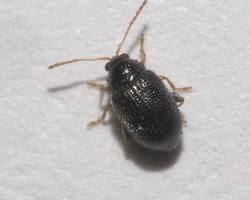
Zucchini flea beetles are small jumping beetles that can cause surprisingly heavy damage to zucchini, especially when plants are young and tender. They get their common name from their enlarged hind legs, which allow them to spring away like fleas when disturbed. In home gardens and small crop plantings, these beetles are often noticed only after the leaves begin showing numerous tiny holes, a symptom commonly described as shot-hole damage. While mature zucchini plants can sometimes tolerate light feeding, seedlings and recent transplants are much more vulnerable and may suffer stunting, delayed growth, or serious weakening if flea beetle numbers are high.
Flea beetles are common vegetable pests because they are mobile, adaptable, and capable of moving in quickly from nearby weeds, crop residue, or other host plants. Zucchini is only one of many plants they may attack, but on young cucurbits they can be particularly frustrating because repeated feeding reduces leaf area just when the plant needs to establish a strong canopy. In addition to direct chewing injury, flea beetle damage can increase plant stress and make the crop less vigorous during critical early growth stages.
Identification
Adult flea beetles are small, hard-bodied beetles, often dark, metallic, striped, or mottled depending on the species. Their most recognizable trait is their jumping behavior. When a leaf is touched or the plant is disturbed, they suddenly spring away. They are usually found on leaf surfaces, especially during sunny weather, though they may also shelter at the base of plants or in nearby debris. The larvae of some flea beetle species live in the soil and feed on roots, but the most obvious damage on zucchini is usually caused by adults feeding above ground.
Because they are so small and quick to jump, flea beetles may disappear before gardeners get a good look at them. Often the damage pattern gives them away first. Leaves that look peppered with tiny round holes are classic signs of flea beetle feeding, especially when the crop is still small.
Host Plants
Flea beetles feed on many vegetables and weeds, including members of the cucurbit family as well as beans, corn, potatoes, eggplant, tomatoes, and leafy greens. This broad host range allows them to survive across seasons and shift between cultivated plants and surrounding vegetation. In mixed gardens, nearby weeds or alternate crops can act as holding areas that support beetle populations before they move onto zucchini.
Damage to Zucchini
The main injury caused by zucchini flea beetles is chewing on the leaf surface. The beetles make small round holes or pits that give leaves a tattered or perforated appearance. On larger plants, light damage may be mostly cosmetic. On seedlings and newly transplanted zucchini, however, this feeding can slow growth significantly by reducing photosynthetic area and adding stress during establishment.
Heavy feeding can leave leaves ragged, thin, and weakened. In very young plants, severe injury may lead to wilting or poor recovery after transplanting. If root-feeding larvae are also present, the combined stress can further reduce plant vigor. Although flea beetles are primarily known for surface chewing, their importance lies in the cumulative effect of repeated feeding, especially early in the season when every leaf matters.
Life Cycle
Adult flea beetles often overwinter in plant debris, field borders, wooded edges, or weedy cover. In spring, they emerge and begin feeding on available host plants. Eggs are laid in soil or near host plants, and the larvae hatch and develop below ground, often feeding on roots or root hairs depending on the species. After pupation, new adults emerge and continue feeding. In warm climates or long seasons, multiple generations may develop, allowing populations to build over time.
This seasonal pattern helps explain why flea beetles are often worst on early plantings or young successions. Adults are already active and searching for food when tender zucchini plants appear, making prompt protection important.
Signs of Infestation
The clearest sign is shot-hole feeding on leaves, especially on small plants. Gardeners may also notice beetles jumping when the leaves are touched. Damage often appears first on the youngest and most tender foliage. In persistent infestations, plants may look stressed or remain smaller than expected, even when water and nutrients are otherwise adequate.
Regular inspection is helpful because the beetles can arrive suddenly. Morning scouting or slow visual checks during cooler hours may make adults easier to spot before they begin jumping away in bright midday conditions.
Prevention and Management
Preventing zucchini flea beetle damage starts with weed control and good sanitation. Removing nearby weeds and plant residue helps reduce overwintering sites and alternate hosts. Crop rotation can also lower recurring pressure. One of the most effective early protections is the use of floating row covers, especially for seedlings and young transplants. These barriers can keep overwintered adults from reaching the crop during its most vulnerable stage.
Keeping zucchini healthy with warm soil, proper watering, and rapid growth helps plants outgrow light feeding damage more quickly. In small gardens, hand removal is usually impractical because flea beetles are fast and mobile, but monitoring their numbers is still useful. Yellow sticky traps can sometimes help indicate activity levels, though they are usually better for scouting than full control.
If treatment becomes necessary, it is most effective when applied early, before seedlings are heavily damaged. Since zucchini flowers attract pollinators, any product used must be labeled for edible crops and timed carefully to reduce harm to bees and beneficial insects. Cultural controls and exclusion often provide the best long-term results in home gardens.
Integrated Pest Management for Flea Beetles
An integrated approach includes sanitation, weed reduction, row covers, crop rotation, and regular scouting. The goal is not always complete elimination, but keeping flea beetle feeding below the level that slows crop establishment. In zucchini, the first few weeks after planting are the most important period to protect. Once plants develop a larger leaf canopy, they are generally better able to tolerate minor shot-hole injury.
Conclusion
Zucchini flea beetles are small, jumping beetles capable of causing outsized damage to young plants through repeated shot-hole feeding. Their quick movement and broad host range make them common early-season pests in vegetable gardens. By focusing on prevention, exclusion, and early monitoring, gardeners can reduce flea beetle pressure and give zucchini plants the strong start they need for healthy summer growth and fruit production.