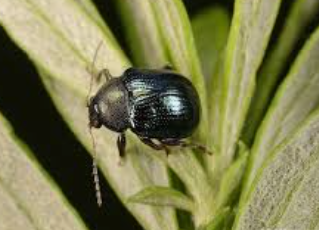
Yam Leaf Beetles are foliage-feeding insects commonly associated with yam crops (Dioscorea spp.), which are important staple foods in many tropical and subtropical regions. These beetles typically belong to the family Chrysomelidae (leaf beetles), a large group of herbivorous insects known for feeding on plant leaves. In yam cultivation systems, leaf beetles can become significant pests, particularly when populations increase during favorable environmental conditions.
The primary concern with yam leaf beetles is their ability to defoliate plants, reducing photosynthesis and overall crop productivity. Both larvae and adults may contribute to plant damage, making early detection and management essential for protecting yields.
Taxonomy and Classification
Yam leaf beetles belong to the order Coleoptera and the family Chrysomelidae. This family includes numerous species that specialize in feeding on specific host plants.
Several genera within this family may be associated with yams, depending on the region. These beetles are typically host-specific or show a strong preference for certain plant species.
Identification
Adult yam leaf beetles are generally small to medium-sized, ranging from 5 to 12 mm in length. They often have oval or rounded bodies and may display bright colors such as green, yellow, orange, or metallic hues, although some species are more subdued in appearance.
Their smooth, shiny exoskeleton and well-developed wings make them easily distinguishable from other pests.
Larvae vary in appearance but are typically soft-bodied, elongated, and may be greenish, yellowish, or brown. They are often found feeding on the underside of leaves.
Life Cycle
The life cycle of yam leaf beetles includes egg, larva, pupa, and adult stages.
Females lay eggs on or near host plants, often on the underside of leaves. After hatching, larvae begin feeding on leaf tissue, growing through several instars.
Pupation usually occurs in the soil or within plant debris near the host plant. Adults emerge to feed, mate, and lay eggs, continuing the cycle.
Under warm and humid conditions, multiple generations can occur within a single growing season, leading to rapid population increases.
Feeding Behavior and Damage
Yam leaf beetles are foliage feeders, and both larvae and adults consume leaf tissue. Their feeding can result in:
- Irregular holes in leaves
- Skeletonized foliage
- Reduced leaf surface area
- Lower photosynthetic capacity
- Stunted plant growth
Severe infestations can lead to significant defoliation, which weakens plants and reduces tuber development.
In addition to direct feeding damage, stress caused by defoliation can make plants more susceptible to diseases and environmental stressors.
Signs of Infestation
- Visible beetles on leaves
- Chewed or damaged foliage
- Presence of larvae on leaf undersides
- Reduced plant vigor
- Defoliation in severe cases
Regular field scouting is essential for early detection.
Management and Control (IPM)
- Monitoring: Inspect crops regularly for beetles and feeding damage.
- Mechanical Control: Handpick beetles where practical.
- Cultural Practices: Rotate crops and maintain field hygiene.
- Biological Control: Encourage natural predators such as birds and beneficial insects.
- Chemical Control: Apply insecticides when infestations exceed economic thresholds.
Integrated pest management strategies are essential for minimizing damage while preserving beneficial organisms.
Ecological Considerations
Yam leaf beetles are part of agricultural ecosystems and interact with a variety of natural enemies. Maintaining biodiversity can help regulate their populations naturally.
Excessive use of pesticides can disrupt these natural controls and lead to resistance, making sustainable management practices important.
Conclusion
Yam Leaf Beetles are important pests in yam cultivation, capable of causing significant foliage damage and reducing crop yields. Through early detection, proper cultural practices, and integrated pest management strategies, farmers can effectively manage these insects and protect their crops. Understanding their lifecycle and behavior is key to minimizing their impact and ensuring sustainable production.