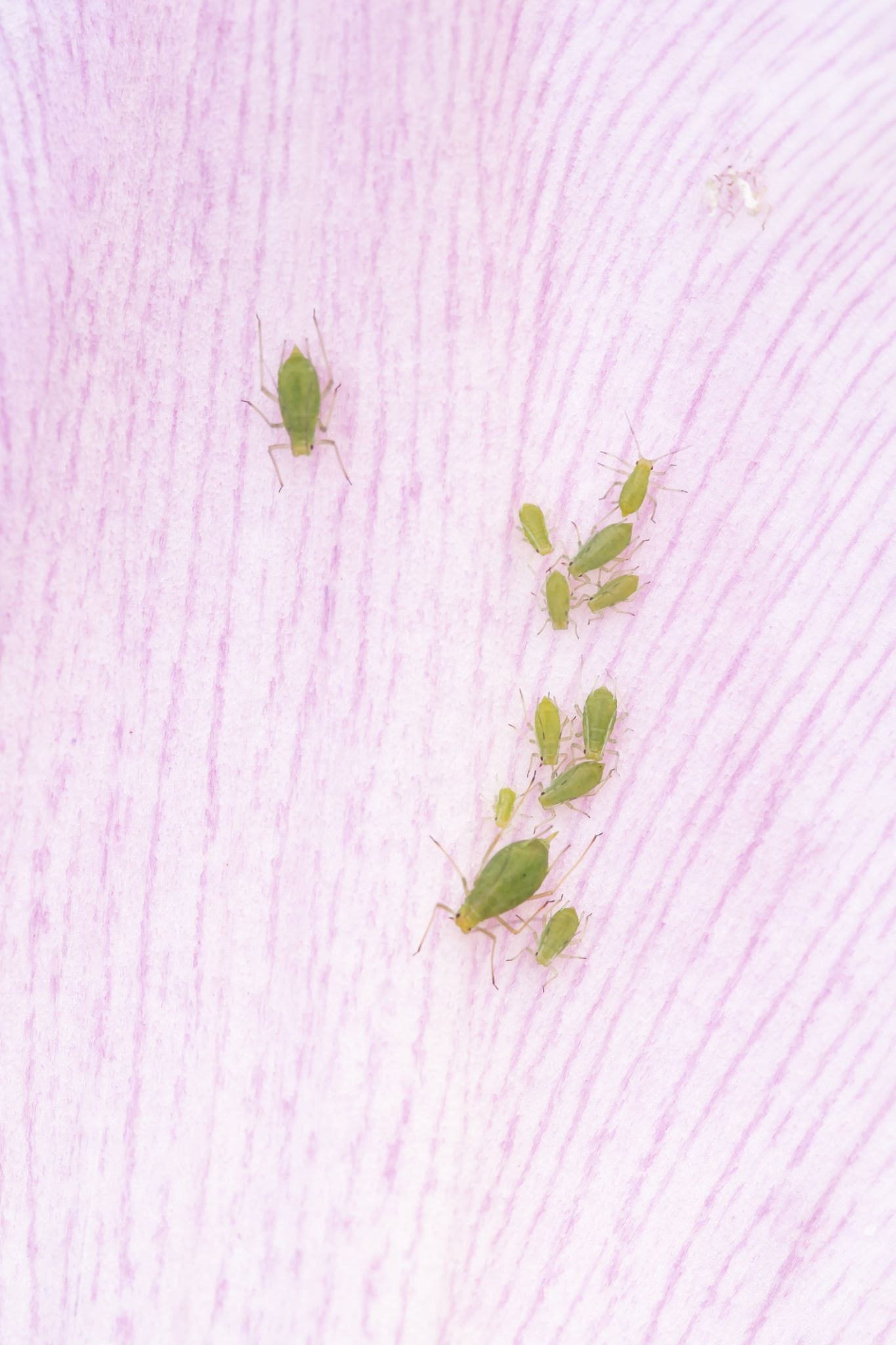
Tulip Aphids are small sap-feeding insects that attack tulips and other ornamental bulb plants. These pests weaken plants by extracting nutrients from leaves, stems, flower buds, and developing blooms. While a small aphid population may cause only minor cosmetic damage, larger infestations can significantly reduce flower quality, distort plant growth, and diminish the ornamental value of tulip displays. In commercial bulb production, greenhouse forcing operations, and landscape plantings, Tulip Aphids are considered important pests because of both their feeding damage and their ability to spread plant diseases.
One of the most challenging aspects of Tulip Aphid infestations is their rapid reproduction. A small colony can expand into hundreds or thousands of individuals within a relatively short period. Aphids often concentrate in protected areas such as folded leaves, flower buds, and stem bases where they remain hidden until symptoms become obvious. Their feeding produces sticky honeydew deposits that encourage the growth of black sooty mold fungi and attract ants, creating additional management challenges.
Taxonomy and Classification
Tulip Aphids belong to the order Hemiptera and the family Aphididae.
- Order: Hemiptera
- Family: Aphididae
- Genus: Dysaphis
- Species: Dysaphis tulipae
Like other aphids, Tulip Aphids possess piercing-sucking mouthparts designed to extract plant sap from vascular tissues. Their ability to reproduce rapidly makes them one of the most successful plant pests in ornamental horticulture.
Identification
Tulip Aphids are small, soft-bodied insects that often occur in dense colonies.
Adults
- Size: Approximately 2 mm long.
- Color: Cream-colored, pale yellow, pink, green, or light brown.
- Shape: Pear-shaped body.
- Texture: Often covered with a light waxy or powdery coating.
- Cornicles: Short tube-like structures near the rear of the abdomen.
Winged Forms
- Develop when colonies become crowded.
- Allow dispersal to new plants.
- Often responsible for spreading infestations through gardens and greenhouses.
Key Signs of Infestation
- Clusters of aphids on stems and buds.
- Curled or distorted foliage.
- Sticky honeydew deposits.
- Black sooty mold.
- Reduced flower quality.
- Ant activity on plants.
Because colonies frequently gather in hidden locations, careful inspection is often necessary for early detection.
Distribution and Habitat
Tulip Aphids occur in many tulip-growing regions around the world.
Common habitats include:
- Tulip beds
- Greenhouses
- Nurseries
- Landscape plantings
- Bulb production fields
- Garden borders
- Indoor forcing systems
They thrive wherever tulips and related ornamental bulb plants are cultivated.
Host Plants
Although tulips are the primary host, Tulip Aphids may also feed on other ornamental bulb plants.
Common hosts include:
- Tulips
- Lilies
- Iris
- Gladiolus
- Hyacinths
- Various ornamental bulb crops
Their ability to utilize multiple hosts allows populations to persist throughout the growing season.
Life Cycle
Tulip Aphids possess a highly efficient reproductive strategy.
- Egg Stage: Some populations produce overwintering eggs.
- Nymph Stage: Immature aphids resemble small adults and begin feeding immediately.
- Adult Stage: Reproductive females produce live offspring.
Many generations can occur during a single growing season. In protected environments such as greenhouses, reproduction may continue almost continuously.
Because females often reproduce without mating, populations can increase extremely rapidly under favorable conditions.
Feeding Behavior
Tulip Aphids feed by inserting their slender mouthparts into plant tissues and extracting sap.
Preferred feeding sites include:
- Flower buds
- Leaf folds
- Stem bases
- Developing shoots
- Tender foliage
As aphids feed, they remove nutrients and water needed for healthy plant development.
Damage and Economic Importance
Tulip Aphids damage plants both directly and indirectly.
Direct Feeding Damage
- Reduced plant vigor.
- Distorted leaves.
- Curled foliage.
- Stunted growth.
- Weak stems.
- Reduced flower size.
- Malformed blooms.
Heavy infestations can significantly reduce the ornamental quality of flowering plants.
Honeydew Production
As aphids feed, they excrete excess sugars in the form of honeydew.
This creates several problems:
- Sticky leaves and stems.
- Dust accumulation.
- Growth of black sooty mold.
- Attraction of ants.
Sooty mold can further reduce plant health by interfering with photosynthesis.
Virus Transmission
One of the most serious risks associated with Tulip Aphids is their ability to transmit plant viruses.
Potential consequences include:
- Color-breaking symptoms in flowers.
- Reduced bulb vigor.
- Long-term decline.
- Spread of disease throughout plantings.
Virus transmission can affect both current-season displays and future bulb production.
Signs of Infestation
Gardeners should watch for:
- Aphid colonies on flower buds.
- Curled foliage.
- Sticky surfaces.
- Black mold growth.
- Yellow mottling.
- Reduced bloom quality.
- Unusual ant activity.
Early detection allows infestations to be managed before significant damage occurs.
Behavior and Conflict
Several characteristics contribute to the pest status of Tulip Aphids.
- Rapid Reproduction: Colonies grow quickly.
- Hidden Feeding Sites: Difficult to detect early.
- Honeydew Production: Creates secondary problems.
- Virus Vectoring: Spreads plant diseases.
- Multiple Generations: Persistent throughout the season.
These characteristics make Tulip Aphids important pests in both commercial and home landscapes.
Monitoring and Detection
Routine inspection is essential.
- Check flower buds regularly.
- Inspect folded leaves.
- Look for honeydew deposits.
- Monitor ant activity.
- Examine new growth carefully.
Small colonies are far easier to control than established infestations.
Management and Prevention
An Integrated Pest Management (IPM) approach provides the most effective long-term control.
Physical Control
- Remove small colonies by hand.
- Wash aphids from plants using water.
- Prune heavily infested growth when practical.
Biological Control
- Lady beetles.
- Lacewings.
- Hoverfly larvae.
- Parasitic wasps.
These beneficial insects can significantly reduce aphid populations when conserved.
Ant Management
- Reduce ant access to plants.
- Control nearby ant colonies.
- Use barriers where appropriate.
Managing ants improves the effectiveness of natural enemies.
Organic Controls
- Insecticidal soaps.
- Horticultural oils.
- Neem-based products.
Thorough coverage is necessary because these products work through direct contact.
Chemical Control
- Use selective insecticides when necessary.
- Target active colonies.
- Avoid unnecessary applications.
- Follow label instructions carefully.
Chemical controls are generally most effective when used as part of a broader IPM strategy.
Conservation and Research
Research on Tulip Aphids focuses on virus transmission, biological control agents, resistant plant varieties, and sustainable pest management techniques. Scientists continue exploring methods that reduce reliance on broad-spectrum insecticides while maintaining high-quality ornamental production.
Regular monitoring, early intervention, conservation of beneficial insects, and proper plant care remain the most effective strategies for preventing serious Tulip Aphid infestations and preserving the beauty of spring flowering displays.