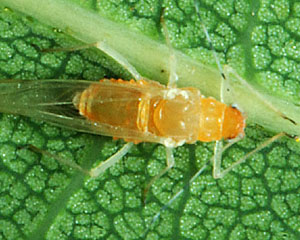
Quercus aphids are a group of sap-feeding insects that specialize in infesting oak trees (Quercus species). These small but prolific pests are commonly found on the undersides of leaves, where they feed on plant sap using specialized piercing-sucking mouthparts. While individual aphids cause minimal damage, large colonies can significantly impact tree health, particularly in urban landscapes and nursery settings.
One of the most noticeable characteristics of aphid infestations is the production of honeydew—a sticky, sugary substance excreted as a byproduct of feeding. This honeydew can coat leaves, branches, and surfaces beneath the tree, leading to the growth of sooty mold. In residential settings, this can create nuisance conditions on cars, patios, and outdoor furniture.
Quercus aphids are highly adaptable and capable of rapid reproduction, especially during warm weather. Their ability to reproduce asexually allows populations to explode in a short period, making early detection and management essential.
The Golden Drip: Quercus Aphids
The Quercus Aphid (primarily Myzocallis punctata and Tuberculatus species) is a specialized group of soft-bodied insects that feed exclusively on the sap of Oak trees. In the United States, they are most active during the spring and early summer as new, succulent leaves emerge. While they rarely pose a threat to the life of a mature Oak, they are the primary source of the “sticky rain” that coats cars and patios in urban areas like Tucson, Austin, and Atlanta.
Identification: The “Winged” Sap-Sucker
Unlike the common green aphids found on rose bushes, many Oak aphids are highly decorative under a lens. Identifying them involves looking for “spots and pipes”:
- Appearance: They are typically pale yellow to lime green. Many species have distinct black spots or cloudy patches on their wings and bodies.
- Cornicles (“Tailpipes”): Like all aphids, they have two small tubes sticking out of their rear end called cornicles, which they use to excrete defensive waxes.
- The Colony: They are almost always found on the underside of the leaves, often clustered along the central vein where the sap flow is strongest.
- The “Jump” Reflex: Unlike slow-moving garden aphids, some Quercus species are quite flighty and will jump or fly away the moment the leaf is disturbed.
The “Honeydew” Nuisance
The “noxious” reputation of the Quercus Aphid in the U.S. comes from its incredibly high rate of excretion. Because oak sap is high in sugar but low in protein, the aphid must process gallons of fluid to survive.
- Honeydew Rain: The excess sugar is excreted as clear, sticky “honeydew.” During a heavy infestation, it can literally “rain” from the canopy, ruining car paint and making sidewalks dangerously slick.
- Sooty Mold: This sticky residue provides the perfect growing medium for Capnodium, a black fungus. If your Oak leaves look like they’ve been dusted with coal soot, you have an aphid (or scale) problem.
- Yellowing: Heavy feeding causes “stippling” (tiny yellow spots) on the leaves, and in extreme cases, the leaves may curl or drop prematurely to the ground.
U.S. Urban Management: The “Water-First” Rule
In the United States, Oak aphids are the “fast food” of the insect world. They have a massive array of natural predators that usually provide 100% control if left alone.
- The “Blast” Method: For small or accessible trees, a strong blast of water from a garden hose is often the best management. It physically crushes the soft-bodied aphids and washes away the sticky honeydew and sooty mold.
- Beneficial Recruitment: In the U.S., Ladybeetles, Lacewings, and Hoverflies are the primary check on aphid populations. Avoid using broad-spectrum “bug sprays” in the spring, as these kill the predators and often lead to a “rebound” outbreak of aphids.
- Systemic Barriers: In commercial settings or for “heritage” oaks over parking lots, professional arborists use soil injections of Imidacloprid or Dinotefuran. The tree absorbs the chemical, providing season-long protection that doesn’t harm non-target pollinators (since Oaks are wind-pollinated).
Identification
Quercus aphids are small, soft-bodied insects typically measuring 1–3 mm in length. They are often green, yellow, or light brown, with pear-shaped bodies and long antennae. Colonies are usually found on the undersides of leaves or along new growth. Winged forms may appear when populations become crowded.
Life Cycle
The lifecycle of Quercus aphids includes both sexual and asexual reproduction. During favorable conditions, females reproduce without mating, giving birth to live young. This allows populations to increase rapidly. Multiple generations can occur within a single growing season. In cooler climates, overwintering eggs are laid on host trees.
Damage and Impact
Damage from Quercus aphids includes leaf curling, yellowing, and reduced photosynthetic efficiency. The accumulation of honeydew promotes sooty mold growth, which can further interfere with plant health. In severe infestations, tree vigor may decline, particularly in young or stressed trees.
Prevention and Control
Management includes encouraging natural predators such as lady beetles and lacewings. Insecticidal soaps and horticultural oils can be effective when applied directly to colonies. Maintaining tree health and avoiding excessive nitrogen fertilization can also reduce susceptibility.