Overview
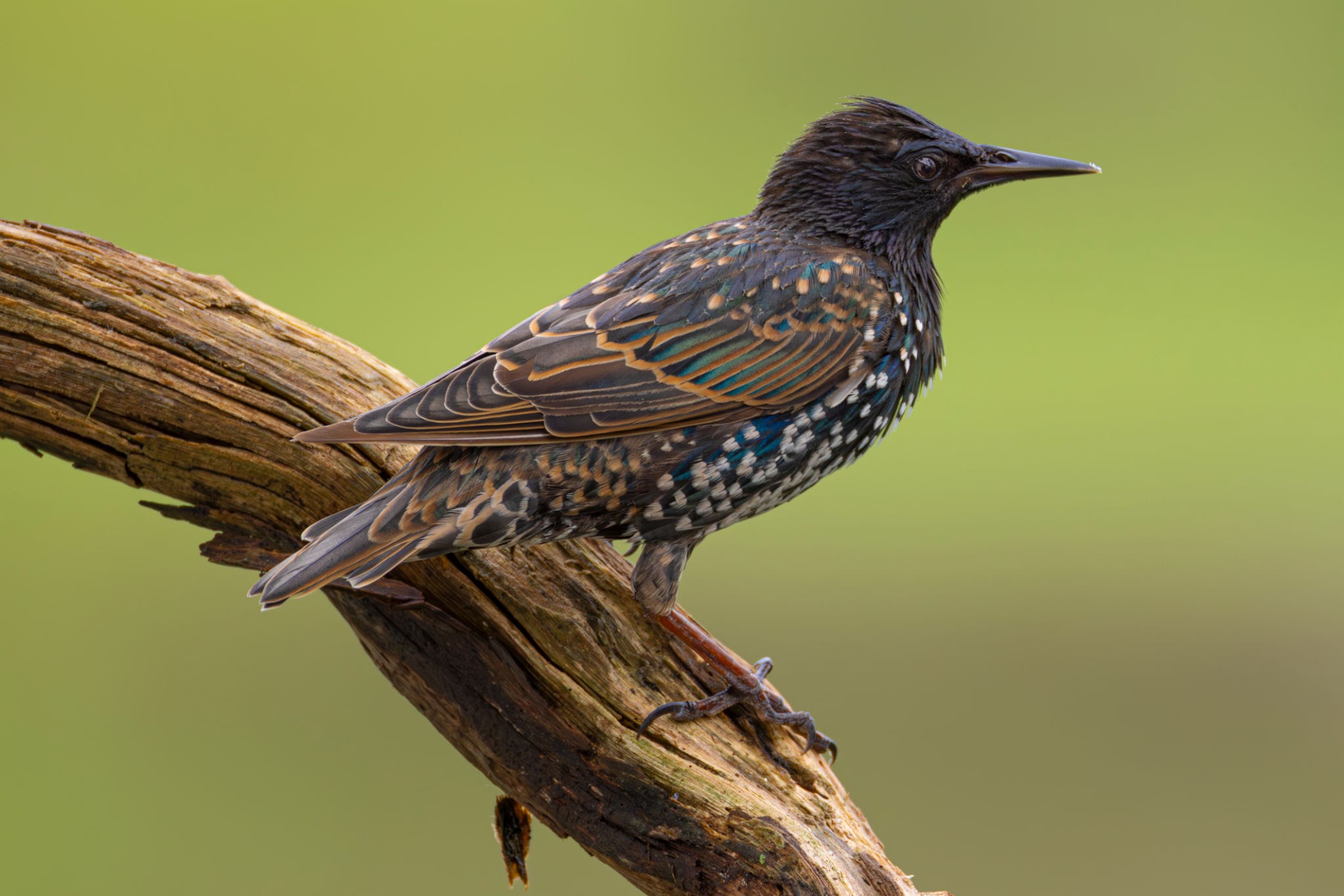
Starlings (Sturnus vulgaris), commonly known as European Starlings, are highly adaptable invasive birds that were introduced to North America in the late 1800s. Since their introduction, they have spread across the United States, Canada, and much of Mexico, becoming one of the continent’s most abundant bird species.
Although starlings are intelligent birds with impressive vocal abilities and remarkable flocking behavior, they are widely considered nuisance pests due to their impact on agriculture, native wildlife, and urban environments. Large flocks can damage fruit crops, contaminate livestock feed, create sanitation problems, and aggressively compete with native cavity-nesting birds for nesting sites.
Taxonomy and Classification
- Kingdom: Animalia
- Phylum: Chordata
- Class: Aves
- Order: Passeriformes
- Family: Sturnidae
- Species: Sturnus vulgaris
European Starlings are native to Europe, Asia, and North Africa. They were intentionally introduced to New York City’s Central Park in the 1890s and have since become one of North America’s most successful invasive bird species.
Physical Description
Adult starlings measure approximately 7.5 to 9 inches in length with a wingspan of 12 to 16 inches.
- Appearance (Key ID): Glossy black plumage with iridescent purple and green reflections.
- Winter Plumage: White feather tips create a distinctive spotted appearance.
- Beak: Yellow during breeding season and darker during winter.
- Tail: Short and squared compared to many native blackbirds.
- Flight: Fast, direct flight with pointed wings.
- Conflict: Crop damage, sanitation issues, invasive competition, and nuisance roosting.
Distribution and Habitat
Starlings are found throughout the continental United States, southern Canada, Mexico, and much of Central America.
They thrive in a wide variety of habitats, including:
- Urban centers
- Suburban neighborhoods
- Agricultural fields
- Livestock operations
- Orchards and vineyards
- Parks and golf courses
- Industrial areas
- Woodland edges
Their ability to adapt to human-altered environments has contributed significantly to their success.
Life Cycle and Reproduction
Courtship and Nesting
Breeding typically begins in early spring.
Males establish nesting territories and attract females by singing and displaying at cavity entrances.
Egg Stage
Females usually lay four to six pale blue eggs in tree cavities, nest boxes, vents, building openings, or other enclosed spaces.
Nestling Stage
Both parents feed nestlings insects and other food items.
Young birds generally leave the nest after approximately three weeks.
Multiple Broods
In favorable conditions, starlings may raise two broods per year, contributing to rapid population growth.
Behavior and Conflict
Starlings are highly social birds whose large populations create numerous conflicts.
- Murmurations: Thousands of birds may gather in synchronized aerial flocks before roosting.
- Aggressive Competition: They frequently evict native birds from nesting cavities.
- Resource Domination: Large flocks consume significant amounts of food resources.
- Adaptability: They readily exploit human structures for nesting and shelter.
- Intelligence: Starlings quickly learn to avoid many deterrent methods.
Agricultural Damage
Starlings are among the most economically damaging bird pests in North America.
- Fruit Crops: Consume grapes, cherries, blueberries, apples, peaches, and other fruits.
- Grain Losses: Feed on corn, wheat, sorghum, and other grains.
- Livestock Facilities: Consume and contaminate cattle feed.
- Feed Waste: Large flocks can significantly increase feed costs at dairies and feedlots.
- Crop Contamination: Droppings can reduce marketability and food safety.
Impact on Native Wildlife
One of the greatest ecological concerns associated with starlings is their competition with native birds.
- Eastern Bluebirds
- Woodpeckers
- Purple Martins
- Tree Swallows
- Nuthatches
- Various owl species
Starlings aggressively claim nesting cavities and may destroy eggs or kill nestlings of competing species.
Health and Sanitation Concerns
Large roosting populations create significant sanitation problems.
- Droppings: Accumulate rapidly on buildings, vehicles, sidewalks, and equipment.
- Corrosion: Bird droppings can damage metal, paint, and building materials.
- Disease Organisms: Droppings may harbor pathogens associated with histoplasmosis, salmonellosis, and other diseases.
- Air Quality: Large roosts can create unpleasant odors and airborne contaminants.
- Noise: Massive evening roosts often generate considerable noise complaints.
Signs of Infestation
- Large flocks gathering on rooftops or utility lines
- Heavy accumulations of droppings
- Nesting material in vents and cavities
- Damaged fruit crops
- High bird activity around livestock operations
- Native birds displaced from nest boxes
- Loud vocalizations near roost sites
Management and Control (IPM)
Exclusion
Physical exclusion remains the most effective long-term management strategy.
- Install bird netting.
- Seal building openings.
- Screen vents and attic entrances.
- Use starling-resistant nest box designs.
Roost Deterrence
- Bird spikes
- Tension wire systems
- Electric track systems
- Netting over roosting areas
Habitat Modification
- Reduce food availability.
- Clean up spilled livestock feed.
- Harvest fruit promptly.
- Eliminate accessible nesting cavities.
Harassment Techniques
Persistent harassment may disperse roosts.
- Distress-call systems
- Pyrotechnics
- Lasers
- Visual deterrents
Success generally requires coordinated, repeated efforts.
Population Control
Because European Starlings are non-native and generally not protected under the Migratory Bird Treaty Act, certain control measures may be legally available. However, regulations vary by location and should always be verified before implementation.
Research and Conservation
Research continues to focus on minimizing the impacts of starlings while protecting native wildlife and agricultural production.
Current areas of study include:
- Roost management techniques
- Crop protection systems
- Starling-resistant nest boxes
- Population monitoring
- Disease transmission risks
- Behavioral deterrents
Conservation efforts often focus on protecting native cavity-nesting birds from starling competition.
Conclusion
Starlings are among the most successful invasive bird species in North America. Their intelligence, adaptability, and social behavior have allowed them to thrive in urban, suburban, and agricultural environments. While they can provide some benefits through insect consumption, their impacts on agriculture, public health, infrastructure, and native wildlife make them one of the most significant nuisance bird species. Effective management typically relies on exclusion, habitat modification, and long-term deterrent strategies.