Overview
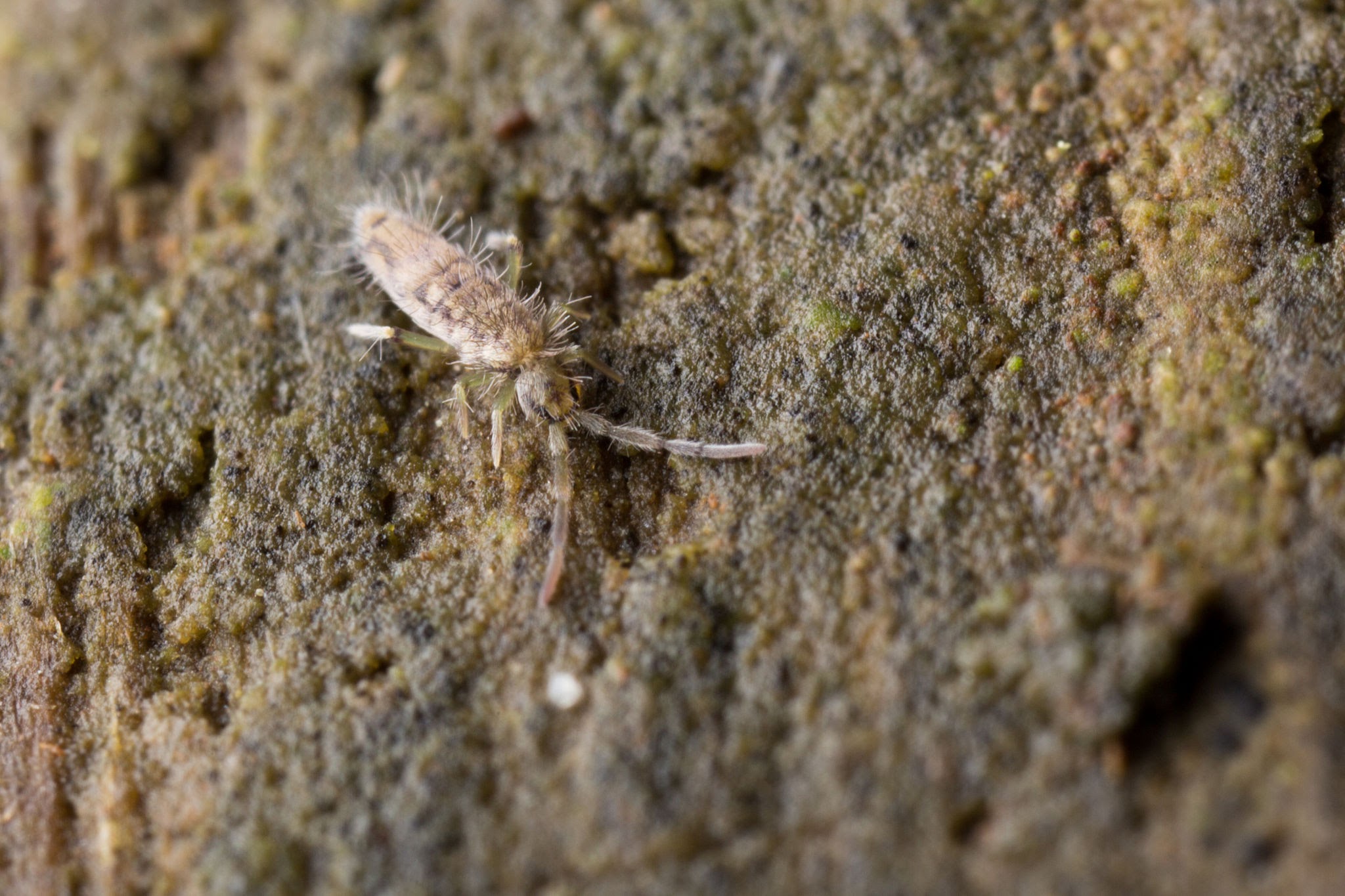
Springtails are tiny, primitive arthropods belonging to the class Collembola. Despite often being mistaken for insects, they represent a distinct group of hexapods that have existed for hundreds of millions of years. Springtails are among the most abundant animals on Earth and play a critical role in soil health, decomposition, and nutrient recycling.
Unlike many organisms that homeowners consider pests, springtails are generally beneficial and cause little to no damage to plants, structures, food, or people. Their presence indoors is usually not a pest problem but rather an indication of excessive moisture, mold growth, or high humidity. When populations become extremely large, they may invade homes, greenhouses, basements, and crawl spaces, creating a temporary nuisance.
Because they thrive in damp environments, springtails are often considered valuable indicators of moisture problems that may require attention.
Taxonomy and Classification
- Kingdom: Animalia
- Phylum: Arthropoda
- Subphylum: Hexapoda
- Class: Collembola
- Common Name: Springtails
Springtails were historically classified as insects but are now generally placed in their own class within Hexapoda. More than 9,000 species have been described worldwide, with many more likely awaiting discovery.
These organisms are among the most important decomposers in terrestrial ecosystems and contribute significantly to soil fertility.
Identification
Adult springtails are extremely small, usually measuring less than 1/8 inch (3 mm) in length.
Physical Characteristics
- Size: Typically 1–3 millimeters long.
- Color: White, gray, brown, black, blue, or purple depending on species.
- Body Shape: Elongated or rounded.
- Wings: None.
- Antennae: Short and segmented.
The Furcula
The defining feature of springtails is the furcula, a forked appendage folded beneath the abdomen.
When disturbed, the furcula snaps downward against the ground, launching the springtail several inches into the air. This rapid jumping behavior serves as an effective escape mechanism and is the origin of their common name.
Signs of Activity
- Large numbers clustered on moist surfaces.
- Tiny jumping insects around sinks, tubs, or drains.
- Accumulations near potted plants.
- Masses floating on standing water.
- Presence on damp mulch or compost.
Distribution and Habitat
Springtails are found on every continent, including some of the harshest environments on Earth.
They inhabit:
- Forest soils
- Leaf litter
- Compost piles
- Mulch beds
- Agricultural fields
- Wetlands
- Mosses
- Greenhouses
- Potted plants
Some species even survive in Arctic environments and high mountain ecosystems.
Their survival depends heavily on moisture, making humid habitats ideal.
Behavior and Ecology
Springtails are among the most important decomposers in natural ecosystems.
Feeding Habits
Most species feed on:
- Decaying plant material
- Fungi
- Mold spores
- Algae
- Bacteria
- Organic debris
By consuming and breaking down organic matter, they accelerate decomposition and contribute to nutrient cycling.
Moisture Dependence
Springtails have thin exoskeletons and lose water rapidly.
As a result, they require:
- High humidity
- Moist soil
- Protected microhabitats
- Organic matter for shelter
Dry conditions can quickly kill many species.
Life Cycle
Springtails undergo simple metamorphosis.
Egg Stage
Females deposit eggs in moist environments such as soil, leaf litter, or organic debris.
Juveniles
Young springtails resemble miniature adults and begin feeding almost immediately after hatching.
Molting
Unlike insects, springtails continue molting throughout their lives, even after reaching maturity.
Adult Stage
Under favorable conditions, populations can increase rapidly, particularly in greenhouses and highly humid environments.
Indoor Infestations
Most homeowner encounters occur when springtails migrate indoors seeking moisture or escaping unfavorable outdoor conditions.
Common indoor locations include:
- Bathrooms
- Basements
- Crawl spaces
- Laundry rooms
- Kitchens
- Window sills
- Potted plants
Large populations often appear after:
- Heavy rainfall
- Flooding
- Leaking pipes
- Excessive irrigation
- High indoor humidity
Although alarming, indoor invasions rarely cause damage and usually disappear once moisture conditions change.
Damage and Economic Importance
Benefits
Springtails provide numerous ecological benefits:
- Accelerate decomposition.
- Improve soil structure.
- Recycle nutrients.
- Support healthy microbial communities.
- Serve as food for beneficial predators.
Nuisance Issues
The primary conflict with springtails is nuisance activity.
- Large visible populations.
- Presence in bathrooms and kitchens.
- Accumulations around windows.
- Temporary indoor invasions.
Rare Plant Damage
Under extremely wet conditions, certain species may feed on tender roots or seedlings. However, significant plant damage is uncommon and rarely causes economic losses.
Management and Control (IPM)
Successful management focuses on eliminating excess moisture rather than killing the springtails themselves.
Moisture Reduction
- Repair leaking pipes.
- Improve drainage.
- Reduce irrigation.
- Use dehumidifiers.
- Increase ventilation.
Landscape Management
- Reduce excessive mulch near foundations.
- Keep organic debris away from structures.
- Allow soil surfaces to dry between watering.
- Improve grading around buildings.
Exclusion
- Seal foundation cracks.
- Repair damaged screens.
- Caulk gaps around windows and doors.
- Seal utility penetrations.
Indoor Cleanup
- Vacuum visible populations.
- Remove mold growth.
- Reduce indoor humidity below 50%.
Chemical Control
Chemical treatments are rarely necessary. Insecticides often provide only temporary relief if moisture conditions remain favorable.
Desiccant products such as diatomaceous earth may help in specific situations, but long-term control always depends on moisture management.
Conservation and Research
Springtails are considered vital components of healthy ecosystems and are frequently used by researchers as indicators of soil quality.
Scientists study springtails to better understand:
- Soil health
- Nutrient cycling
- Climate change impacts
- Ecosystem recovery
- Agricultural sustainability
Their abundance and sensitivity to environmental conditions make them valuable biological indicators.
Conclusion
Springtails are beneficial, moisture-loving arthropods that play an essential role in decomposition and soil health. Although large populations may occasionally invade homes and become a nuisance, they do not bite, sting, spread disease, or damage structures. Their presence almost always indicates excess moisture, making moisture control the most effective long-term management strategy. In natural environments, springtails remain one of the most important and beneficial organisms supporting healthy ecosystems.