Overview
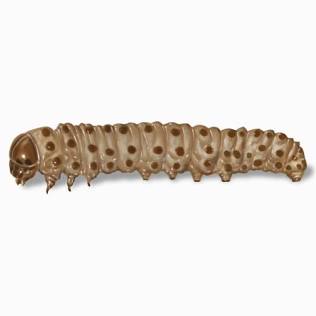
Sod Webworms are the larval stage of several species of small lawn moths in the genera Crambus, Pediasia, and related members of the family Crambidae. These caterpillars are among the most important turfgrass pests in North America, causing significant damage to residential lawns, golf courses, sports fields, parks, and commercial sod farms.
The larvae feed on grass blades near the soil surface, often remaining hidden within the thatch layer during the day and emerging at night to feed. As populations increase, their feeding creates irregular brown patches, thinning turf, and dead areas that can resemble drought stress, disease, or nutrient deficiencies.
Because sod webworms often remain concealed until damage becomes severe, they can quickly transform an otherwise healthy lawn into a patchy, unattractive landscape. Proper identification and early intervention are critical for preventing costly turf replacement and restoration.
Taxonomy and Classification
- Kingdom: Animalia
- Phylum: Arthropoda
- Class: Insecta
- Order: Lepidoptera
- Family: Crambidae
- Common Genera: Crambus, Pediasia, Parapediasia
Sod webworms belong to the same insect order as butterflies and moths. They undergo complete metamorphosis with four distinct life stages: egg, larva, pupa, and adult moth.
The damaging stage is the caterpillar, while adult moths feed little or not at all and primarily serve as reproductive stages.
Identification
Adult Moths
Adult sod webworm moths are small, slender insects commonly seen flying low over lawns during evening hours.
- Length: Approximately 1/2 inch.
- Color: Buff, tan, beige, or light brown.
- Wings: Narrow and tightly wrapped around the body when resting.
- Flight Pattern: Distinctive zig-zag or darting flight when disturbed.
Homeowners frequently notice these moths fluttering across lawns while mowing or walking through turf.
Larvae
- Length: 3/4 to 1 inch.
- Color: Grayish-brown, greenish-brown, or tan.
- Head: Dark brown.
- Body: Smooth with subtle spotting.
- Behavior: Curls when disturbed.
Larvae remain hidden within silk-lined tunnels and burrows located in the upper thatch layer.
Signs of Infestation
- Irregular yellow or brown patches.
- Thinning turf.
- Chewed grass blades.
- Small silk tunnels in the thatch.
- Greenish-brown fecal pellets (frass).
- Heavy bird activity feeding on the lawn.
- Moths flying from turf during mowing.
Distribution and Habitat
Sod webworms occur throughout the United States and much of Canada. They thrive wherever turfgrass is maintained, including:
- Residential lawns
- Golf courses
- Athletic fields
- Parks
- Cemeteries
- Sod production farms
- Commercial landscapes
Larvae spend most of their lives within the thatch layer, feeding on grass blades close to the soil surface.
They particularly favor cool-season grasses such as:
- Kentucky bluegrass
- Perennial ryegrass
- Fine fescues
- Tall fescue
Life Cycle
Egg Stage
Female moths deposit eggs directly onto grass blades during evening hours.
Eggs hatch within several days depending on temperature.
Larval Stage
Newly emerged caterpillars construct silk-lined tunnels within the thatch.
Larvae feed primarily at night and retreat to their shelters during daylight hours.
This stage is responsible for all turf damage.
Pupal Stage
Mature larvae pupate within silk cocoons located near the soil surface.
Adult Stage
Adult moths emerge, mate, and begin laying eggs within a few days.
Depending on climate, sod webworms may produce two to four generations annually.
Damage and Economic Importance
Sod webworms damage turfgrass by chewing grass blades close to the crown.
Early Damage
- Small yellow spots.
- Scattered thinning areas.
- Minor discoloration.
Moderate Damage
- Expanding brown patches.
- Noticeable turf thinning.
- Reduced lawn density.
Severe Damage
- Large dead areas.
- Complete turf destruction.
- Soil exposure.
- Need for reseeding or resodding.
Damage is often most severe during mid-to-late summer when lawns are already stressed by heat and drought.
Golf courses and sod farms can experience significant economic losses due to reduced turf quality and increased management costs.
Behavior and Conflict
Sod webworms are particularly difficult to manage because they are nocturnal and spend most of the day hidden beneath the turf canopy.
- Night Feeding: Larvae feed after sunset.
- Concealment: Silk-lined tunnels protect them from predators and pesticides.
- Multiple Generations: Populations can build rapidly during warm weather.
- Stress Interaction: Damage worsens when turf is drought-stressed.
Many infestations are not discovered until visible damage becomes extensive.
Management and Control (IPM)
Monitoring
The most reliable diagnostic method is the soap flush or drench test.
- Mix 1 tablespoon of dish soap with 1 gallon of water.
- Pour over 1 square foot of turf.
- Observe for caterpillars emerging within several minutes.
Treatment is generally recommended when populations exceed approximately 15 larvae per square yard.
Cultural Control
- Maintain proper mowing height.
- Avoid excessive thatch accumulation.
- Water deeply and infrequently.
- Promote healthy turf growth.
- Reduce lawn stress during summer.
Biological Control
- Bacillus thuringiensis (Bt): Effective against young larvae.
- Entomopathogenic Nematodes: Especially Steinernema carpocapsae.
- Natural Predators: Birds, ground beetles, and parasitic wasps.
Biological treatments should be applied during evening hours when larvae are actively feeding.
Chemical Control
When populations exceed economic thresholds, insecticides may be necessary.
- Apply during late afternoon or evening.
- Target actively feeding larvae.
- Avoid immediate irrigation after application unless directed by the product label.
- Follow all label instructions carefully.
Prevention
- Inspect lawns regularly during summer.
- Monitor for lawn moth activity.
- Reduce excessive thatch.
- Maintain balanced fertility.
- Encourage beneficial organisms.
- Use resistant turf varieties when available.
Research and Future Management
Current research focuses on improving biological control programs, developing more resistant turfgrass cultivars, refining monitoring techniques, and reducing reliance on conventional insecticides.
Integrated pest management strategies continue to provide the most sustainable and effective approach to sod webworm control in residential and commercial turf systems.
Conclusion
Sod Webworms are among the most destructive turfgrass pests in North America. Their hidden feeding habits, multiple annual generations, and ability to create extensive brown patches make them a serious concern for homeowners, golf course managers, and sod producers. Early detection through monitoring, combined with cultural, biological, and chemical management practices, remains the best strategy for maintaining healthy, attractive turfgrass.