Overview
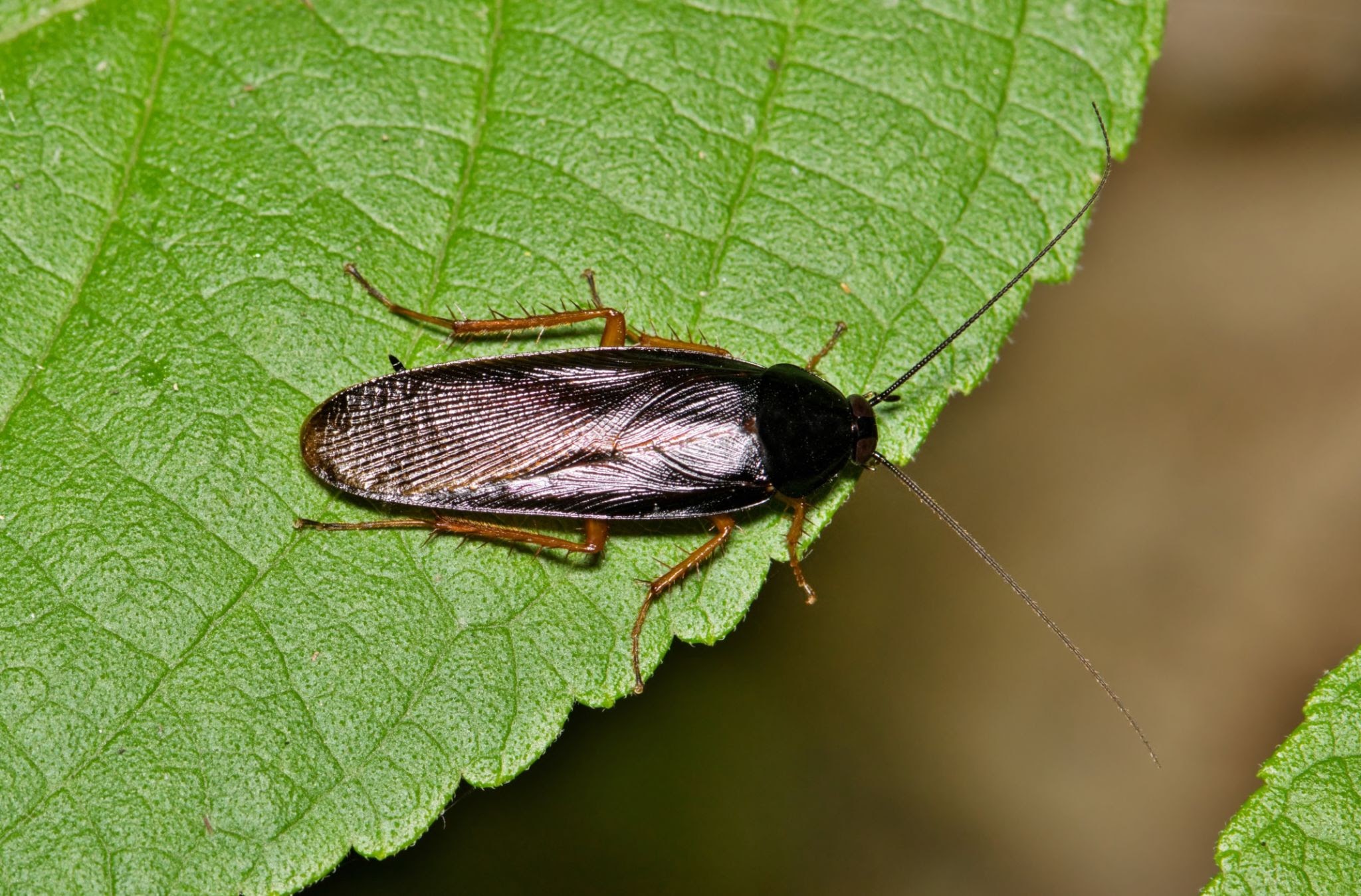
Smokybrown Cockroaches (Periplaneta fuliginosa) are large outdoor cockroaches commonly found in warm, humid regions of the United States. Unlike many cockroach species that primarily live indoors, Smokybrown Cockroaches are mainly outdoor insects that inhabit mulch beds, leaf litter, woodpiles, tree cavities, and other moisture-rich environments.
Although they play a role in breaking down organic matter outdoors, they frequently become nuisance pests when they invade homes, garages, sheds, attics, and crawl spaces. Their attraction to moisture makes them particularly problematic in structures with leaks, poor drainage, or excessive humidity.
Taxonomy and Classification
- Kingdom: Animalia
- Phylum: Arthropoda
- Class: Insecta
- Order: Blattodea
- Family: Blattidae
- Genus: Periplaneta
- Species: Periplaneta fuliginosa
Smokybrown Cockroaches are closely related to the American Cockroach but differ in appearance, habitat preference, and moisture requirements. They are among the most common large cockroach species found throughout the southeastern United States.
Physical Description
Adult Smokybrown Cockroaches measure approximately 1.1 to 1.5 inches (28–38 mm) in length.
- Appearance (Key ID): Uniform dark brown to mahogany coloration without distinct markings.
- Wings: Fully developed wings extend beyond the abdomen in both males and females.
- Flight Ability: Capable of short flights, especially during warm, humid evenings.
- Nymphs: Wingless, dark-colored immature stages that may appear nearly black.
- Body Shape: Oval, flattened body adapted for hiding in cracks and crevices.
- Conflict: Structural invasion, food contamination, allergens, and nuisance infestations.
Distribution and Habitat
Smokybrown Cockroaches are believed to have originated in Asia but are now widespread throughout tropical and subtropical regions worldwide.
In North America, they are most abundant in:
- Florida
- Georgia
- Alabama
- Mississippi
- Louisiana
- Texas
- South Carolina
- North Carolina
- Southern Virginia
- Other humid southern states
Preferred habitats include:
- Leaf litter
- Mulch beds
- Woodpiles
- Tree hollows
- Landscaped areas
- Attics
- Crawl spaces
- Sheds and outbuildings
- Gutters and rooflines
Because they require high humidity, populations are strongly associated with moist environments.
Life Cycle
Smokybrown Cockroaches undergo incomplete metamorphosis with three life stages:
- Egg
- Nymph
- Adult
Egg Stage
Females produce egg capsules known as oothecae, each containing approximately 20 to 26 eggs. These capsules are deposited in protected, humid locations where developing embryos are less likely to dry out.
Nymph Stage
Nymphs emerge from the egg case and pass through multiple molts before reaching maturity. Development typically takes six months to one year depending on temperature, humidity, and food availability.
Adult Stage
Adults can live for several months and continue reproducing throughout favorable weather conditions.
Behavior and Ecology
Smokybrown Cockroaches are primarily nocturnal scavengers.
- Night Activity: Most feeding and movement occurs after sunset.
- Moisture Dependence: They require high humidity and readily seek water sources.
- Climbing Ability: Excellent climbers capable of scaling walls, trees, and structures.
- Flight: Adults frequently glide or fly short distances.
- Omnivorous Feeding: Consume decaying organic matter, food scraps, paper, pet food, and plant debris.
Outdoors they contribute to decomposition, but indoors they become unwanted pests capable of contaminating food and surfaces.
Signs of Infestation
- Live cockroaches observed at night
- Roaches in attics or crawl spaces
- Egg capsules near foundations or storage areas
- Dark fecal spots on surfaces
- Shed skins from developing nymphs
- Cockroaches found around sinks, bathrooms, or utility rooms
- Activity near gutters, rooflines, and outdoor lighting
Finding multiple nymphs indoors often indicates a nearby breeding population.
Health and Economic Importance
Although Smokybrown Cockroaches are not known to bite humans, they can create several health concerns.
- Food Contamination: Roaches may contaminate food and preparation surfaces with bacteria and pathogens.
- Allergens: Droppings, shed skins, and body fragments can trigger asthma and allergy symptoms.
- Nuisance: Large flying cockroaches are alarming to many homeowners.
- Damage: Feeding activity may damage paper products, cardboard, fabrics, and stored materials.
Behavior and Conflict
The primary conflict occurs when outdoor populations move indoors.
- Weather Displacement: Heavy rain often drives cockroaches into structures.
- Drought Stress: Dry conditions force them to seek indoor water sources.
- Seasonal Movement: Cooler temperatures encourage migration into sheltered areas.
- Structural Harborage: Attics and crawl spaces frequently support hidden infestations.
- Rapid Population Growth: Favorable conditions can support large local populations.
Management and Control (IPM)
Effective management focuses on reducing moisture and eliminating outdoor harborage sites.
Moisture Reduction
- Repair plumbing leaks.
- Fix roof leaks.
- Improve attic ventilation.
- Use dehumidifiers when necessary.
- Eliminate standing water.
Habitat Modification
- Remove excess mulch.
- Reduce leaf litter.
- Store firewood away from structures.
- Trim vegetation touching buildings.
- Maintain proper drainage.
Exclusion
- Install door sweeps.
- Seal foundation cracks.
- Screen attic vents.
- Seal utility penetrations.
- Repair damaged weatherstripping.
Baiting and Monitoring
- Place cockroach baits in attics and garages.
- Use monitoring traps to identify activity zones.
- Apply insect growth regulators (IGRs) when appropriate.
Targeted Chemical Control
Residual perimeter treatments and crack-and-crevice applications may be necessary when populations are high. Exterior-focused treatments are often more effective than indoor-only approaches because breeding typically occurs outdoors.
Similar Species
Smokybrown Cockroaches are often confused with other large cockroach species.
- American Cockroach: Larger and has a yellowish figure-eight marking behind the head.
- Australian Cockroach: Similar size but possesses yellow markings on the thorax and wings.
- Oriental Cockroach: Darker and less capable of flight.
The uniform mahogany coloration is one of the best identification features of the Smokybrown Cockroach.
Research and Conservation
Research focuses on improved bait technologies, integrated pest management strategies, allergen reduction, and understanding how climate and urban development influence cockroach populations.
Studies continue to evaluate environmentally responsible control methods that minimize pesticide use while effectively managing infestations.
Conclusion
Smokybrown Cockroaches are common outdoor cockroach pests that thrive in warm, humid environments. While beneficial as decomposers outdoors, they become significant nuisance pests when they invade homes and other structures. Their strong dependence on moisture makes prevention efforts focused on sanitation, moisture control, exclusion, and habitat modification highly effective. Early intervention and integrated pest management remain the best long-term strategies for preventing infestations.