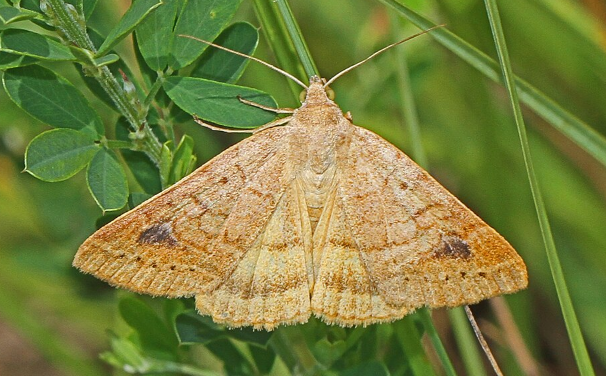
Corn Earworm (Helicoverpa zea), also known as the tomato fruitworm or cotton bollworm, is one of the most economically destructive agricultural pests in North America. This highly adaptable insect attacks a wide range of crops, including corn, cotton, tomatoes, peppers, and other vegetables.
Damage is caused by the larval stage (caterpillar), which feeds on plant reproductive structures such as corn ears, tomato fruit, and cotton bolls. This feeding reduces crop yield, contaminates produce, and increases susceptibility to secondary infections.
Taxonomy and Classification
The Corn Earworm belongs to the family Noctuidae, commonly known as owlet moths, within the order Lepidoptera. It undergoes complete metamorphosis, progressing through egg, larva, pupa, and adult stages.
- Common Name: Corn Earworm
- Scientific Name: Helicoverpa zea
- Order: Lepidoptera
- Family: Noctuidae
- Type: Polyphagous crop pest
This species is polyphagous, meaning it feeds on many different plant types. In temperate regions, it is also an annual migrant, unable to survive winter except in warmer southern climates.
Identification and Physical Description
Adult Corn Earworm moths are medium-sized, with a wingspan of approximately 1.25 to 1.5 inches. They are generally light tan to buff-colored.
Key identifying features include:
- Light brown or yellowish forewings with a faint central spot
- Darker band along hindwing margins
- Strong nocturnal flight ability
The larval stage varies widely in color, ranging from:
- Green
- Pink
- Yellow
- Brown
Larvae often display longitudinal stripes along the body and can reach up to 1.5 inches in length when fully developed.
Larvae are also known to be cannibalistic, especially within corn ears, which often limits the number of individuals per ear.
Distribution and Habitat
The Corn Earworm is found throughout the Western Hemisphere. In North America, populations migrate northward each year from southern regions such as the Gulf Coast.
Common habitats include:
- Agricultural fields
- Home gardens
- Areas growing corn, tomatoes, cotton, and other host crops
They are particularly attracted to corn during the silking stage, when plants are most vulnerable.
Behavior and Life Cycle
The Corn Earworm produces multiple generations per year, especially in warmer climates. Migration patterns allow populations to spread rapidly across large areas.
Females lay small, dome-shaped eggs individually on host plants. On corn, eggs are laid almost exclusively on fresh silks, making this a critical stage for control.
After hatching, larvae feed down the silk channel into the ear, where they consume developing kernels. After several weeks of feeding, the larva exits the ear and pupates in the soil.
Adults emerge and continue the life cycle until colder weather limits survival.
Feeding and Damage
Damage caused by Corn Earworm larvae is significant and varies by crop:
- Corn: Feeding at the ear tip, leaving frass and damaged kernels
- Tomatoes: Boring into fruit, rendering it unmarketable
- Cotton: Destroying bolls and reducing fiber yield
In corn, feeding damage can also promote fungal infections such as Aspergillus flavus, which produces aflatoxin, a toxic compound that can contaminate grain.
This combination of direct feeding damage and secondary contamination makes the Corn Earworm a serious agricultural threat.
Management and Prevention
Effective management requires precise timing, targeting larvae before they enter protected feeding sites.
- Monitoring: Use pheromone traps to track moth populations and determine peak egg-laying periods.
- Chemical Control: Apply insecticides to corn silks during the vulnerable period before larvae enter the ear.
- Genetic Control: Plant Bt corn, which produces proteins toxic to larvae and provides strong protection.
- Organic Methods: Apply a small amount of mineral oil to corn silks after pollination to prevent larval entry.
Repeated treatments may be necessary due to ongoing egg-laying and larval development.
Prevention
Preventative strategies include:
- Planting resistant crop varieties
- Timing planting to avoid peak moth activity
- Maintaining field sanitation
- Monitoring regularly for early infestation signs
Early detection is key to minimizing damage.
Conservation and Research
The Corn Earworm is a persistent and widespread pest. Ongoing research focuses on:
- Managing resistance to Bt crops
- Improving monitoring and forecasting of migration patterns
- Developing new biological and genetic control methods
These efforts aim to reduce economic losses while minimizing environmental impact.
Related Articles
Conclusion
The Corn Earworm is a highly destructive and adaptable agricultural pest that poses a significant threat to multiple crops. Its wide host range, migratory behavior, and rapid life cycle make it difficult to control without careful monitoring and timely intervention.
By combining monitoring, resistant crops, and targeted treatments, farmers and gardeners can reduce damage and protect crop yields effectively.