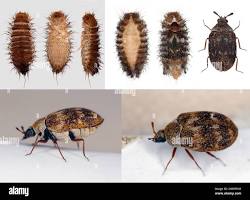
Indoor carpet beetles are among the most important fabric-damaging pests found in homes. Although adult carpet beetles are small, often harmless-looking beetles that may feed on pollen outdoors, the larval stage can seriously damage carpets, stored clothing, upholstery, taxidermy, blankets, and other materials made from natural animal fibers. For this reason, carpet beetles are widely recognized as major indoor pests and are closely related to dermestid beetles.
Unlike moth infestations that are usually noticed around closets or garment storage, carpet beetles may develop anywhere organic debris accumulates, including under furniture, inside vents, beneath rugs, behind baseboards, and inside stored boxes. Their secretive habits often allow them to remain established for long periods before damage is discovered.
Taxonomy and Classification
- Kingdom: Animalia
- Phylum: Arthropoda
- Class: Insecta
- Order: Coleoptera
- Family: Dermestidae
- Common Group: Carpet beetles
Several dermestid species may be referred to as carpet beetles, including black carpet beetles, varied carpet beetles, and furniture carpet beetles. All share similar indoor pest behavior centered on larval feeding.
Physical Description
Adult carpet beetles are small and compact, usually only a few millimeters long. Depending on the species, they may appear black, brown, or mottled with white, yellow, and brown scales. Adults are often found near windows because they are attracted to light.
The larvae are the destructive stage. Carpet beetle larvae are:
- Elongated or carrot-shaped
- Brown or tan
- Covered with hairs or bristles
- Often found in dark, undisturbed areas
Some larvae have distinctive tufts of hairs at the rear, which can help with identification.
Feeding and Damage
Carpet beetle larvae feed on materials containing keratin and other animal-derived proteins. Commonly attacked items include:
- Wool carpets and rugs
- Stored clothing made from wool, silk, fur, or feathers
- Blankets and felt
- Upholstered furniture
- Pet hair, lint, and accumulated dust
- Taxidermy and museum specimens
Damage often appears as irregular holes, thinning fabric, shed larval skins, or bare patches where fibers have been consumed. Unlike some pantry pests, carpet beetles are usually discovered through item damage rather than large numbers of visible insects.
Where Infestations Develop
Carpet beetles thrive where natural fibers and organic debris are left undisturbed. High-risk areas include:
- Closets and storage chests
- Under furniture and along carpet edges
- Behind baseboards
- Inside air vents
- Attics and storage rooms
Pet hair, dead insects, lint, and dust can all support larval development, even when no obvious fabric damage is present at first.
Management and Prevention
Successful control depends on cleaning, source removal, and exclusion.
- Vacuum thoroughly: Focus on edges, vents, under furniture, and storage areas.
- Inspect natural fibers: Check stored garments, blankets, and rugs regularly.
- Use sealed storage: Airtight containers help protect vulnerable materials.
- Remove lint and debris: This eliminates hidden larval food sources.
- Monitor window areas: Adults near windows may signal an indoor breeding source.
Because larvae are often hidden, thorough inspection is more important than simply removing visible adults.