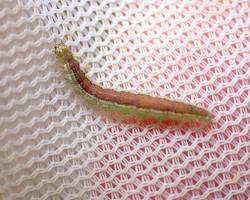
Ypsolopha Webbing Moths
Ypsolopha Webbing Moths are a group of small moths whose larvae create loose silk webbing on leaves, twigs, and young shoots while feeding on ornamental shrubs, deciduous trees, and certain fruit-bearing plants. Unlike larger web-forming pests that create dense, highly visible tents, Ypsolopha species typically produce light, localized webbing that can be difficult to detect until feeding damage becomes noticeable.
These insects are generally considered secondary pests, but under favorable conditions their populations can increase significantly and cause widespread foliage damage. Their silk shelters protect them from predators, environmental stress, and some control measures, allowing them to feed undisturbed for extended periods.
Although healthy, mature trees usually recover from moderate infestations, repeated feeding can reduce plant vigor, stunt new growth, and diminish the ornamental value of landscape plants. In commercial nurseries, even minor damage can reduce the marketability of valuable stock.
Taxonomy and Classification
- Kingdom: Animalia
- Phylum: Arthropoda
- Class: Insecta
- Order: Lepidoptera
- Family: Ypsolophidae
- Genus: Ypsolopha
Ypsolopha Webbing Moths undergo complete metamorphosis and spend the majority of their damaging stage as caterpillars concealed within silk shelters.
Identification
Adult moths are slender and cryptically colored, making them difficult to notice.
- Wingspan: Approximately 15–25 mm.
- Color: Gray, brown, tan, or silver-gray.
- Wing Shape: Long and narrow, often with pointed or slightly hooked tips.
- Resting Position: Characteristically angled upward with antennae extended forward.
- Activity: Primarily nocturnal.
The larvae are more commonly encountered than the adults.
- Length: 15–20 mm when mature.
- Color: Bright green, yellow-green, or pale brown.
- Body Shape: Slender and tapered at both ends.
- Behavior: Extremely active when disturbed.
When threatened, caterpillars often wriggle violently and drop from the plant on silk threads.
Distribution and Habitat
Ypsolopha Webbing Moths are found throughout temperate regions where suitable host plants occur.
Common habitats include:
- Residential landscapes
- Public parks
- Woodlands
- Nurseries
- Hedgerows
- Orchards
- Urban green spaces
Infestations are most common on shrubs and deciduous trees that provide abundant foliage for larval feeding.
Host Plants
Different species specialize on different host plants, including:
- Honeysuckle
- Oak
- Beech
- Hackberry
- Euonymus
- Fruit trees
- Various ornamental shrubs
Larvae prefer tender foliage and young growth but may consume mature leaves when populations are high.
Life Cycle
Ypsolopha Webbing Moths undergo complete metamorphosis.
- Egg Stage: Females lay eggs on host plants during the growing season.
- Larval Stage: Newly hatched caterpillars begin feeding and create silk shelters that expand as they grow.
- Pupal Stage: Mature larvae pupate within silk shelters or nearby plant debris.
- Adult Stage: Adult moths emerge, mate, and lay eggs for the next generation.
Depending on climate and species, one or more generations may occur annually.
Behavior
The defining behavior of Ypsolopha Webbing Moths is the construction of loose silk shelters.
- Leaves are tied together with silk.
- Larvae feed within protected areas.
- Webs remain relatively small and localized.
- Caterpillars move quickly when disturbed.
- Silk shelters reduce exposure to predators.
Unlike large tent-making species, the webbing usually remains confined to individual leaves or small clusters of foliage.
Damage and Economic Importance
Damage results primarily from larval feeding on leaf tissues.
Leaf Skeletonization
Young larvae consume soft internal tissues while leaving portions of the leaf structure intact.
- Transparent feeding patches.
- Brown, papery leaf areas.
- Reduced photosynthesis.
Leaf Distortion
Silk webbing alters normal leaf growth.
- Curled leaves.
- Folded foliage.
- Abnormal leaf shapes.
- Visible webbing.
Canopy Thinning
Heavy infestations may lead to:
- Partial defoliation.
- Reduced growth.
- Lower vigor.
- Delayed recovery from environmental stress.
Ornamental Damage
The most common concern is aesthetic injury.
- Unsightly webbing.
- Damaged foliage.
- Reduced landscape appearance.
- Lower nursery stock value.
Signs of Infestation
Common indicators include:
- Loose silk webbing between leaves.
- Folded or tied foliage.
- Small green caterpillars.
- Brown feeding scars.
- Frass trapped within webbing.
- Partial leaf skeletonization.
Careful inspection is often required because the webbing is less conspicuous than that produced by many other caterpillar pests.
Behavior and Conflict
The primary conflict associated with Ypsolopha Webbing Moths is their ability to feed while concealed within silk shelters.
- Protected Feeding: Silk shelters reduce predator access.
- Hidden Infestations: Damage may progress before detection.
- Rapid Movement: Caterpillars quickly escape disturbance.
- Cumulative Defoliation: Repeated feeding weakens host plants.
While rarely catastrophic, prolonged infestations can significantly impact ornamental plant quality and vigor.
Management and Prevention
Integrated Pest Management (IPM) provides the most effective long-term control.
Monitoring
- Inspect susceptible plants regularly.
- Look for silk webbing.
- Examine folded leaves.
- Monitor new growth during spring and summer.
Mechanical Control
- Remove webbed leaves.
- Prune infested branches.
- Destroy heavily infested plant material.
Early removal can dramatically reduce local populations.
Biological Control
Numerous beneficial organisms attack Ypsolopha larvae.
- Parasitic wasps
- Lacewings
- Predatory beetles
- Birds
- Spiders
Protecting natural enemies often prevents severe outbreaks.
Microbial Control
Bacillus thuringiensis (Bt) is highly effective against young caterpillars when applied before extensive webbing develops.
Cultural Practices
- Maintain plant health.
- Reduce plant stress.
- Encourage beneficial insects.
- Avoid unnecessary broad-spectrum insecticides.
Conservation and Research
Research focuses on host plant relationships, biological control agents, pest monitoring methods, and environmentally sustainable management programs. Scientists continue to investigate how silk shelter construction improves larval survival and how natural enemies can be used more effectively in landscape and nursery environments.
Ypsolopha Webbing Moths are generally considered minor to moderate foliage pests, but their concealed feeding habits and protective webbing can allow infestations to persist undetected. Regular monitoring and integrated pest management remain the best strategies for maintaining healthy ornamental and landscape plants.