Overview
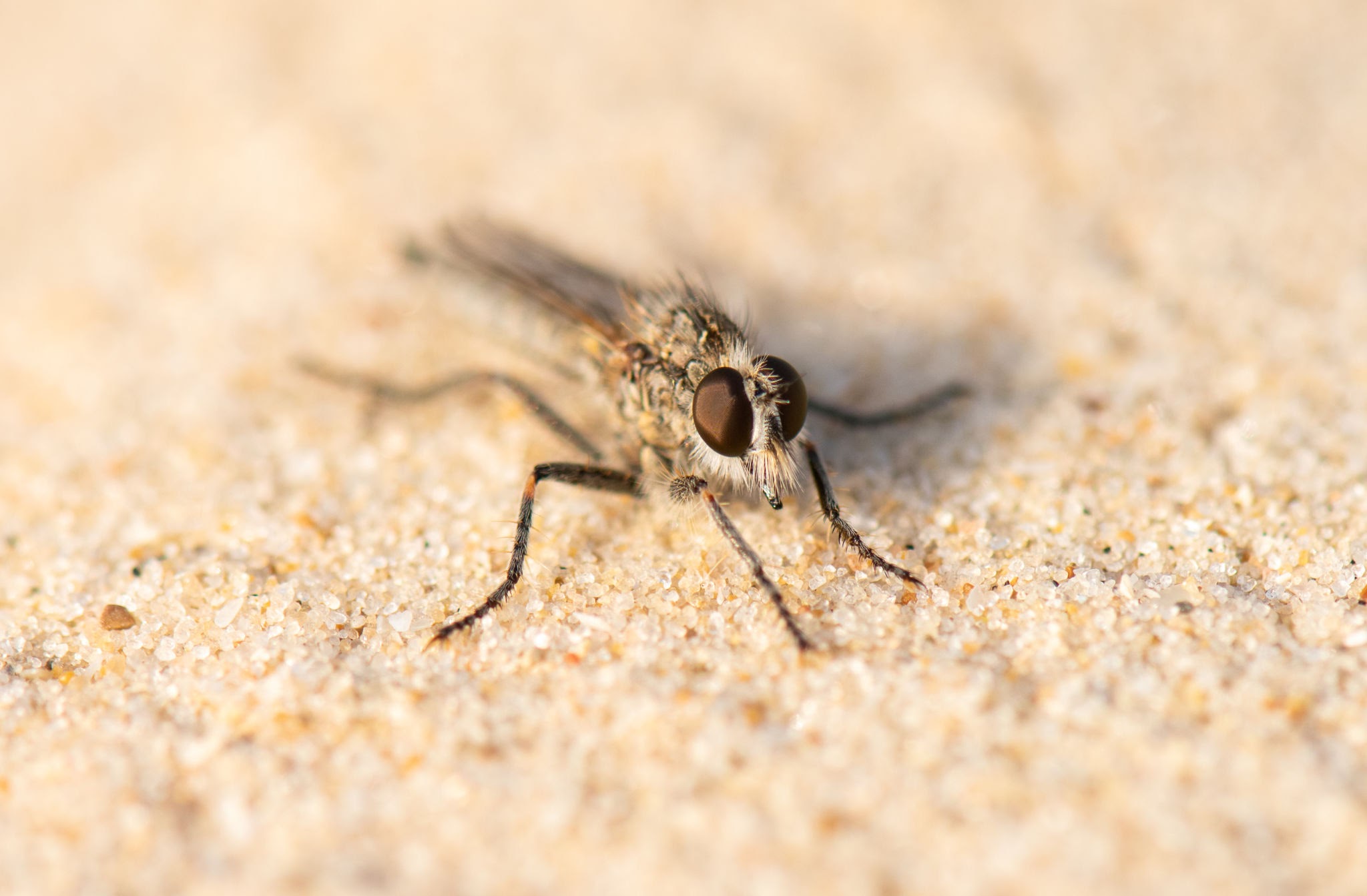
Sand Flies (Subfamily Phlebotominae) are tiny blood-feeding flies known worldwide for their painful bites and their role as vectors of serious human and animal diseases. Despite their small size, sand flies are among the most medically important insects in tropical, subtropical, and some temperate regions. Female sand flies require blood meals to develop eggs and commonly feed on humans, dogs, rodents, and other mammals.
The greatest concern associated with sand flies is their ability to transmit Leishmaniasis, a parasitic disease caused by Leishmania species. Depending on the parasite involved, infections may result in skin ulcers, mucosal destruction, or potentially fatal systemic illness.
In addition to disease transmission, sand fly bites can cause intense itching, irritation, allergic reactions, and secondary skin infections due to scratching.
Taxonomy and Classification
- Kingdom: Animalia
- Phylum: Arthropoda
- Class: Insecta
- Order: Diptera
- Family: Psychodidae
- Subfamily: Phlebotominae
Important genera include:
- Phlebotomus – Old World sand flies
- Lutzomyia – New World sand flies
- Sergentomyia – Primarily reptile-feeding species
More than 900 species of sand flies have been described worldwide, although only a portion are known to transmit human diseases.
Physical Description
Adult sand flies are extremely small, typically measuring only 2 to 4 millimeters in length.
- Size: 2–4 mm long.
- Color: Yellowish-brown, tan, gray, or dark brown.
- Body: Covered with dense fine hairs.
- Eyes: Large and dark relative to body size.
- Legs: Long and slender.
- Wings: Narrow, hairy wings held upright in a distinctive V-shape when resting.
Unlike mosquitoes, sand flies are weak fliers and usually travel only short distances from breeding sites.
Their small size allows them to pass through ordinary window screens and mosquito netting unless specially designed fine mesh is used.
Distribution and Habitat
Sand flies occur throughout much of the world, particularly in warm climates.
They are especially common in:
- Mediterranean regions
- Middle East
- North Africa
- Central America
- South America
- South Asia
- Tropical and subtropical regions worldwide
In the United States, sand flies occur primarily in southern states, including Texas, Arizona, New Mexico, and parts of the Southeast.
Preferred habitats include:
- Animal burrows
- Rock piles
- Stone walls
- Tree hollows
- Leaf litter
- Organic debris accumulations
- Livestock shelters
- Rodent nesting areas
Larvae develop in moist environments rich in organic matter, fungi, and decaying vegetation.
Life Cycle
Sand flies undergo complete metamorphosis.
Egg Stage
Females lay eggs in dark, humid environments containing organic matter.
Suitable sites include soil rich in decaying vegetation, animal waste, and leaf litter.
Larval Stage
Larvae feed on fungi, microorganisms, and decomposing organic material.
Unlike mosquito larvae, they do not develop in standing water.
Pupal Stage
Pupation occurs within the breeding substrate.
This stage lasts several days to weeks depending on temperature and humidity.
Adult Stage
Adults emerge and begin feeding and reproduction.
Males feed primarily on plant sugars and nectar.
Females require blood meals to produce eggs.
Under favorable conditions, multiple generations may occur annually.
Behavior and Conflict
The primary conflict associated with sand flies is their role as disease vectors.
Blood Feeding
Female sand flies feed on blood from:
- Humans
- Dogs
- Rodents
- Livestock
- Wild mammals
Biting activity is usually greatest during:
- Sunset
- Dusk
- Nighttime hours
- Early morning
Painful Bites
Unlike many mosquitoes, sand fly bites often produce a burning sensation followed by intense itching.
Symptoms may include:
- Red papules
- Swelling
- Persistent itching
- Localized inflammation
- Secondary infection from scratching
Some individuals develop allergic reactions that can last for several weeks.
Disease Transmission
Sand flies are among the most important insect disease vectors worldwide.
Leishmaniasis
The most significant disease transmitted by sand flies is Leishmaniasis.
Forms of the disease include:
- Cutaneous Leishmaniasis: Causes skin ulcers and lesions.
- Mucocutaneous Leishmaniasis: Damages tissues of the nose, mouth, and throat.
- Visceral Leishmaniasis: A potentially fatal disease affecting internal organs such as the liver, spleen, and bone marrow.
Hundreds of thousands of human cases occur annually worldwide.
Animal Health Concerns
Dogs are important reservoir hosts for several species of Leishmania.
Canine leishmaniasis can cause:
- Skin lesions
- Weight loss
- Kidney disease
- Organ failure
Other Pathogens
Sand flies may also transmit:
- Sand fly fever viruses
- Bartonella bacteria
- Other regional pathogens
Management and Prevention
Effective management relies on Integrated Vector Management (IVM) strategies.
Personal Protection
- Use DEET-based repellents.
- Apply picaridin repellents.
- Wear long sleeves and pants.
- Avoid outdoor activity during peak biting periods.
- Use insecticide-treated clothing when appropriate.
Bed Nets
Fine-mesh bed nets provide protection while sleeping.
Because sand flies are smaller than mosquitoes, standard mosquito nets may not be sufficient.
Exclusion
- Install fine-mesh screens on windows and doors.
- Seal cracks and openings around structures.
- Use screened sleeping areas when traveling.
Habitat Modification
- Remove organic debris.
- Eliminate rodent nesting sites.
- Reduce stone and wood piles.
- Maintain clean landscapes around structures.
Residual Insecticides
Targeted residual insecticide treatments may reduce populations around homes and animal shelters.
Treatments should focus on resting sites rather than broad-area spraying.
Research and Public Health Importance
Sand flies remain a major focus of public health research worldwide.
Current research priorities include:
- Leishmaniasis vaccine development
- Improved diagnostics
- Novel vector control methods
- Insecticide resistance monitoring
- Disease surveillance programs
- Reservoir host management
Climate change and urban expansion may influence future sand fly distributions, making continued monitoring increasingly important.
Conclusion
Sand Flies are tiny but medically important biting insects responsible for transmitting Leishmaniasis and other diseases throughout much of the world. Their painful bites, disease-vectoring capabilities, and ability to thrive in diverse habitats make them significant public health pests. Personal protection, habitat modification, exclusion methods, and integrated vector management remain the most effective strategies for reducing exposure and preventing disease transmission.