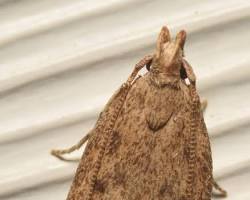
Juniper Tip Moths are small but important landscape pests that attack juniper shrubs and trees by feeding inside tender new shoots. Although the adult moths are rarely noticed, the larval stage can cause highly visible damage that reduces the appearance, density, and vigor of ornamental junipers. These pests are especially troublesome in decorative plantings where uniform shape, rich green color, and healthy branch development are important. Once larvae enter the tips of branches, they are sheltered from weather, many predators, and even some treatments, which makes early detection especially valuable. In many cases, homeowners first realize a problem exists only after branch tips begin turning brown and dying back. Because junipers are widely used as foundation plants, screens, windbreaks, and accent shrubs, damage from juniper tip moths can quickly become a noticeable problem in both residential and commercial landscapes.
Taxonomy
- Kingdom: Animalia
- Phylum: Arthropoda
- Class: Insecta
- Order: Lepidoptera
- Family: Tortricidae
Identification
Adult juniper tip moths are small, narrow-bodied moths that usually display muted tones such as gray, tan, brown, or dusty silver. Their subdued coloration helps them blend into bark, mulch, and shaded foliage, which is one reason they often escape notice. When at rest, the wings are folded neatly over the body in a tent-like manner. Larvae are much more important from a damage standpoint. These caterpillars are typically pale cream, yellowish, or light green with a darker head capsule. Because they spend much of their feeding period inside shoots, they are not always visible from the outside. Gardeners often identify them not by seeing the insect directly, but by observing damaged tips that are hollowed out, browned, or weak enough to snap off. Frass, a fine sawdust-like insect waste, may sometimes be found near entry holes or within injured tips.
Habitat and Distribution
Juniper tip moths are associated with landscapes, nurseries, and natural areas where juniper species are present. They are most often encountered in regions where junipers are commonly planted as hardy, drought-tolerant ornamentals. This includes large portions of the western and southwestern United States, though they may occur anywhere suitable host plants are grown. Dense plantings can encourage infestations by creating sheltered microclimates and making routine inspection more difficult. Plants growing under stress from drought, poor soil, pruning damage, or overcrowding may be more likely to show noticeable injury. Young junipers and recently planted specimens can be especially vulnerable because their limited foliage means even modest damage is more obvious and more disruptive to their shape.
Life Cycle
The life cycle of juniper tip moths generally includes four stages: egg, larva, pupa, and adult. Adult females lay eggs on or near the tender new growth of juniper branch tips. Once the eggs hatch, young larvae begin feeding almost immediately by boring into the succulent shoot tissue. This internal feeding stage is the most damaging part of the insect’s development. As the larvae grow, they continue tunneling within the tip, consuming plant tissue and hollowing out sections of the shoot. After completing development, they pupate either inside the damaged tip or in protected nearby plant material. Adults emerge later to mate and lay eggs, starting the cycle again. In warmer climates, more than one generation may occur in a year, which can extend the damage period and increase the total number of affected shoots over the growing season.
Damage and Impact
The most significant damage occurs when larvae feed inside actively growing branch tips. Their tunneling disrupts the movement of water and nutrients, causing the tip beyond the feeding site to wilt, discolor, and die. Over time, affected tips turn brown and stand out against otherwise green foliage. If infestations are repeated or widespread, the plant may develop a thin, uneven, or ragged appearance. This is especially problematic in formal landscape settings where junipers are expected to maintain a dense, symmetrical shape. On smaller shrubs, damage may be concentrated enough to distort plant form. On larger specimens, the injury may first appear scattered, but can become extensive if populations are ignored over multiple generations or seasons.
Juniper tip moth injury is often confused with drought stress, winter burn, or other tip-damaging pests. However, the hollowed interior of damaged shoots and the presence of entry holes can help distinguish moth activity from more general environmental problems. In addition to direct damage, injured shoots may become more vulnerable to secondary issues such as fungal invasion or opportunistic boring insects. Although healthy, established junipers often survive infestations, repeated attacks can reduce growth, weaken overall vigor, and leave plants more susceptible to other stressors.
Signs of Infestation
The clearest sign of infestation is browning or dieback at the ends of branch tips. Affected shoots may appear wilted before turning fully brown. Some tips may curl, bend, or break easily when touched. Closer inspection may reveal tiny entry holes, frass, or tunneling inside the stem. If a browned shoot is cut open, a larva or pupa may sometimes be found within the hollowed tissue. Damage often appears on newer growth first, which can help distinguish the problem from issues affecting older wood or roots. In ornamental plantings, the browning can create scattered patches that make the plant look unkempt even when the infestation is still moderate.
Prevention and Control
Management of juniper tip moths is most effective when it combines plant care, monitoring, and prompt removal of damaged growth. Keeping junipers healthy through appropriate watering, mulching, and spacing reduces stress and helps plants better tolerate minor feeding. Routine inspection during periods of active new growth is especially important, since early damage is easier to remove before larvae complete development. Pruning out infested tips can significantly reduce populations when done promptly and thoroughly. Removed material should be discarded rather than left nearby, since larvae or pupae may still be present inside.
Where infestations are persistent or severe, targeted insecticide applications may be considered, but timing is critical. Treatments are generally most effective against newly hatched larvae before they are fully protected inside plant tissue. Monitoring adult flight or inspecting for fresh injury can help guide timing. In many landscapes, natural enemies such as parasitic wasps and predatory insects may also contribute to suppression. An integrated approach is usually the most practical strategy, especially for high-value ornamentals. Regular observation, good sanitation, and fast pruning response can go a long way toward preventing serious shape loss and long-term decline.