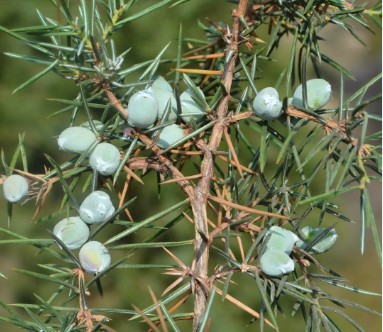
Juniper Needle Miners are small insect pests that feed within the needles of juniper plants. These insects are particularly damaging because they are protected inside plant tissue, making them difficult to detect and control. Over time, their feeding activity can lead to widespread discoloration and reduced plant vigor.
Taxonomy
- Kingdom: Animalia
- Phylum: Arthropoda
- Class: Insecta
- Order: Lepidoptera
- Family: Gracillariidae
The Hidden Residents: Juniper Needle Miners
While many pests attack from the outside, the Juniper Needle Miner (Argyresthia spp.) takes a more “insider” approach. These tiny moth larvae are specialized internal feeders that spend the bulk of their lives hollowed out inside the needles of your juniper trees. Because the damage happens from within, it often goes unnoticed until the plant begins to look scorched or “blighted.”
Life Cycle and Behavior
The process begins in early summer when adult moths lay eggs on the tips of new growth. Once the larvae hatch, they bore directly into the needles. As they feed, they clear out the internal tissue, leaving behind a hollow, dead shell.
Key indicators of an infestation include:
- Selective Browning: Individual needles turn yellow, then brown, usually starting at the tips.
- Hollow Needles: If you pull off a brown needle and hold it up to the light, it will appear translucent.
- Exit Holes: Tiny, circular holes at the base of the needles where the larvae eventually emerged.
- Webbing: Some species spin light, inconspicuous silk webbing between the affected twigs.
Impact and Control
A heavy infestation can make a vibrant evergreen look like it has been singed by fire. Fortunately, healthy junipers can usually withstand a moderate amount of mining. To manage them, pruning away infested tips in early spring is often the most effective non-chemical method. If the problem is widespread, systemic insecticides can be used, though timing is critical—they must be applied when larvae are active but before they have fully protected themselves inside the needle.
Identification
Larvae are tiny caterpillars that live inside needles, while adults are small moths. Damage often appears as pale or brown streaks in foliage.
Habitat and Distribution
Found in landscapes, nurseries, and natural areas with juniper plants.
Life Cycle
Eggs are laid on needles, and larvae tunnel inside. Pupation occurs within the plant tissue.
Damage and Impact
Mining reduces photosynthesis and weakens plants over time.
Signs of Infestation
Discolored needles and internal tunneling are key signs.
Prevention and Control
Pruning and monitoring help manage infestations.