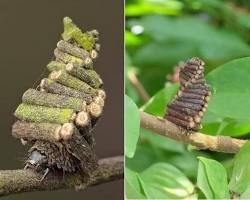
Juniper Casebearers are caterpillar pests that feed on juniper foliage while living inside protective cases constructed from plant material. These cases provide camouflage and protection, allowing larvae to feed with minimal exposure to predators and environmental threats. Although they are small, heavy infestations can lead to noticeable browning and thinning of foliage, particularly in ornamental plantings.
Juniper casebearers (primarily Coleophora juniperiella) are specialized moths belonging to the “case-bearer” family, Coleophoridae. They are notorious for the unique and highly effective defense mechanism employed by their larvae: the construction of a portable protective “case” made from silk and hollowed-out juniper needles. These pests are most active in the spring, where their feeding can cause individual juniper needles to turn brown and shrivel, often appearing as “tip blight” or drought stress to the untrained eye.
The damage is distinctive because the larvae are “leaf miners” that never fully leave their protective homes. A larva will attach its case to a healthy needle, bore a tiny hole into the surface, and then stretch its body inside to eat the internal green tissue as far as it can reach without exiting the case. This results in a “hollowed-out” appearance of the needles, which eventually turn tan or bleached white. After exhausting one needle, the caterpillar detaches its case and “walks” to the next one, leaving behind a trail of empty, brown needle husks.
For Pestipedia readers, the best way to identify casebearers is to look for “moving needles.” If you see a small, brown needle segment that appears to be standing upright or crawling along a branch, you have found a casebearer. Because they are protected by both the needle case and the interior of the plant tissue, contact insecticides are often ineffective. Management focuses on systemic treatments applied in early spring or manual removal of the cases if the infestation is localized to a few ornamental shrubs.
Taxonomy
- Kingdom: Animalia
- Phylum: Arthropoda
- Class: Insecta
- Order: Lepidoptera
- Family: Coleophoridae
Identification
Larvae are small caterpillars that carry protective cases made from plant debris. These cases are often attached to foliage and move as the insect feeds.
Habitat and Distribution
Found wherever juniper plants are grown, especially in ornamental landscapes.
Life Cycle
Eggs hatch into larvae that construct cases and feed within them. Pupation occurs inside the case.
Damage and Impact
Feeding causes browning, thinning foliage, and reduced plant vigor.
Signs of Infestation
Visible cases and browning needles are key indicators.
Prevention and Control
Manual removal and monitoring are effective control methods.