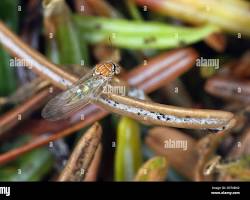
Jumping Plant Lice, commonly known as Psyllids, are tiny sap-feeding insects that attack a wide variety of ornamental plants, shrubs, trees, and agricultural crops. Although they resemble miniature cicadas or aphids, psyllids belong to their own specialized insect group and are best known for their remarkable ability to jump when disturbed. These insects are considered important agricultural and landscape pests because they damage plants directly through feeding and indirectly through the transmission of plant diseases.
Many psyllid species are highly host-specific, meaning they feed on only one or a few closely related plant species. Some attack economically valuable crops such as citrus, tomatoes, potatoes, eucalyptus, pears, and ornamental shrubs. Heavy infestations may cause distorted growth, yellowing leaves, premature leaf drop, reduced yields, and the development of sticky honeydew and black sooty mold.
Quick Facts
- Common Name: Jumping Plant Lice
- Other Name: Psyllids
- Order: Hemiptera
- Superfamily: Psylloidea
- Main Diet: Plant sap
- Primary Damage: Leaf distortion and disease transmission
- Activity: Most active during warm growing seasons
Taxonomy and Classification
Jumping plant lice belong to the order Hemiptera, commonly known as the true bugs. This large insect order also includes:
- Aphids
- Leafhoppers
- Scale insects
- Stink bugs
- Cicadas
Psyllids are grouped within the superfamily Psylloidea, which contains thousands of species worldwide.
Like other true bugs, they possess specialized piercing-sucking mouthparts designed to extract fluids directly from plant tissues.
Jumping plant lice undergo incomplete metamorphosis with three major life stages:
- Egg
- Nymph
- Adult
Physical Description
Psyllids are extremely small insects, usually measuring less than 5 millimeters in length.
Adult Appearance
- Soft-bodied and delicate
- Wedge-shaped or oval body
- Transparent wings held roof-like over the body
- Long antennae
- Strong hind legs adapted for jumping
Their coloration varies widely depending on species and host plant.
Common colors include:
- Green
- Yellow
- Brown
- Orange
- Gray
Nymphs
Immature psyllids, called nymphs, differ significantly from adults.
- Flattened body shape
- Wingless
- Slow-moving
- Often covered in waxy secretions
Nymphs are typically found clustered on tender new growth where they feed continuously.
Jumping Behavior
One of the defining characteristics of psyllids is their powerful jumping ability. When disturbed, adults rapidly spring away from foliage using enlarged hind legs.
Distribution and Habitat
Jumping plant lice are found worldwide in nearly every climate where host plants are available.
Common Habitats
- Gardens
- Agricultural fields
- Greenhouses
- Forests
- Urban landscapes
- Ornamental plantings
Different psyllid species specialize on different host plants.
Common Host Plants
- Citrus trees
- Pear trees
- Potatoes
- Eucalyptus
- Tomatoes
- Ornamental shrubs
- Native trees
Warm climates often support larger populations because multiple generations may develop throughout the year.
Life Cycle
The life cycle of jumping plant lice is relatively rapid, especially in warm conditions.
Egg Stage
Females lay tiny eggs directly on:
- Leaves
- Leaf stems
- Buds
- New growth
Eggs are often yellow, orange, or pale in color depending on the species.
Nymph Stage
After hatching, nymphs immediately begin feeding on plant sap.
As they feed, nymphs may:
- Produce waxy secretions
- Excrete honeydew
- Cause leaf curling
- Create protective feeding sites
Nymphs molt several times before reaching adulthood.
Adult Stage
Adults are mobile and capable of dispersing to nearby plants.
Under favorable conditions:
- Multiple generations occur annually
- Populations increase rapidly
- Outbreaks develop quickly
Behavior and Feeding
Jumping plant lice feed by inserting needle-like mouthparts into plant tissue and extracting sap.
Feeding Damage
Continuous feeding disrupts normal plant growth and may result in:
- Leaf curling
- Yellowing foliage
- Stunted growth
- Premature leaf drop
- Distorted shoots
Honeydew Production
Many species excrete sticky honeydew while feeding.
Honeydew creates several secondary problems:
- Sticky surfaces
- Attraction of ants
- Growth of black sooty mold
- Reduced photosynthesis
Disease Transmission
Some psyllid species are highly important agricultural pests because they transmit plant pathogens.
Examples include:
- Citrus greening disease (Huanglongbing)
- Psyllid yellows
- Bacterial plant infections
Disease transmission can devastate commercial crop production.
Damage and Impact
The severity of psyllid damage depends on:
- Population size
- Plant species
- Environmental conditions
- Presence of plant pathogens
Ornamental Damage
On landscape plants and shrubs, psyllids often cause:
- Curled leaves
- Distorted foliage
- Poor flowering
- Reduced aesthetic quality
Agricultural Damage
Commercial crops may suffer:
- Reduced yields
- Poor fruit quality
- Plant decline
- Disease outbreaks
In severe infestations, crop losses can become economically significant.
Signs of Infestation
Common indicators of jumping plant lice include:
- Small insects jumping from foliage
- Sticky honeydew on leaves
- Black sooty mold
- Curled or distorted leaves
- Clusters of flattened nymphs on new growth
- Yellowing foliage
Infestations are often concentrated on tender, actively growing plant tissue.
Prevention and Control
Management of psyllids usually involves integrated pest management (IPM) techniques.
Cultural Control
- Prune heavily infested branches
- Improve airflow around plants
- Reduce excessive nitrogen fertilization
- Remove heavily infected plants when necessary
Biological Control
Natural enemies play an important role in suppressing psyllid populations.
Beneficial predators include:
- Lady beetles
- Lacewings
- Parasitic wasps
- Predatory bugs
Insecticidal Soaps and Oils
Horticultural oils and insecticidal soaps can effectively suppress:
- Nymphs
- Soft-bodied adults
Complete coverage is essential because these products work by direct contact.
Chemical Control
Severe agricultural infestations may require:
- Systemic insecticides
- Targeted foliar sprays
- Professional pest management programs
Timing treatments during early population growth is critical for success.
Interesting Facts
- Psyllids are sometimes called “plant hoppers” because of their jumping ability.
- Some species produce waxy filaments that protect nymphs.
- Certain psyllids induce gall formation on plants.
- The Asian Citrus Psyllid is one of the world’s most destructive citrus pests.
- Many species specialize on only a single host plant genus.
Conservation and Research
Research involving jumping plant lice focuses heavily on:
- Disease transmission
- Biological control agents
- Host plant resistance
- Sustainable agricultural management
- Psyllid migration patterns
Scientists continue developing environmentally friendly methods to reduce psyllid populations while minimizing harm to pollinators and beneficial insects.