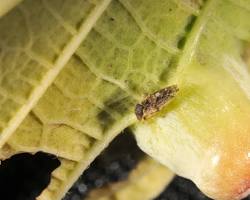
Jumping Gall Lice are specialized psyllid insects that induce the formation of galls—abnormal plant growths—on leaves and stems. These pests are closely related to other jumping plant lice but are distinguished by their ability to manipulate plant tissue for shelter and feeding.
Jumping gall lice, more scientifically known as psyllids (family Psyllidae), are small, sap-sucking insects that are often mistaken for tiny cicadas or aphids. They earn their common name from their powerful hind legs, which allow them to “jump” or flick themselves into the air when disturbed. While the adults are mobile, the real “pest” activity occurs during the nymphal stage. These nymphs feed on the tender new growth of trees and shrubs, secreting chemicals that cause the plant to grow abnormal, protective tissues around the insect, resulting in the formation of galls.
The damage caused by jumping gall lice is primarily aesthetic but can lead to “leaf curling” or premature leaf drop in heavy infestations. One of the most common species is the Hackberry Nipple Gall Psyllid, which creates distinct, wart-like bumps on the undersides of hackberry leaves. In addition to the galls, psyllids excrete copious amounts of honeydew, which can coat cars, patios, and sidewalks, eventually leading to the growth of black sooty mold. Because the nymphs are encased inside the protective gall tissue, they are shielded from many contact insecticides. Management usually involves “dormant oil” sprays in the early spring to kill overwintering adults or using systemic treatments that the plant absorbs into its vascular system.
Identification
Adults resemble small psyllids with wings and jumping ability, while nymphs live within galls and are rarely seen externally.
Habitat and Distribution
They are found in regions where host plants are present, particularly in forests and ornamental landscapes.
Life Cycle
Eggs are laid on leaves, and nymphs induce gall formation as they feed. Development occurs within the gall.
Damage and Impact
Galls can distort plant growth and reduce aesthetic value. Severe infestations may weaken plants.
Signs of Infestation
Visible galls on leaves and stems are the primary indicator.
Prevention and Control
Pruning affected areas and maintaining plant health can reduce infestations.