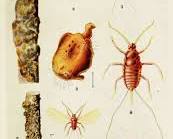
Jujube Scale Insects are sap-feeding pests that infest jujube trees (Ziziphus jujuba) and other fruit-bearing plants. These insects attach themselves to branches, stems, and leaves, extracting essential nutrients and weakening the plant over time. While small and often overlooked, heavy infestations can lead to reduced fruit production, branch dieback, and increased vulnerability to secondary infections.
Identification
Jujube scale insects appear as small, dome-shaped or flattened bumps on plant surfaces. Their color varies from pale yellow to brown or gray depending on the species and life stage. Because they produce a waxy or protective coating, they are often mistaken for natural growths or blemishes on the plant. This protective covering shields them from predators and environmental stress, making infestations difficult to detect early.
Habitat and Distribution
These pests are most commonly found in warm and temperate regions where jujube trees are cultivated. They thrive in orchards, backyard gardens, and urban landscapes. Poor air circulation, overcrowded planting, and high humidity can increase the likelihood of infestation. Scale insects are often introduced through infested nursery stock, allowing them to spread rapidly once established.
Life Cycle
The life cycle of jujube scale insects includes egg, crawler, nymph, and adult stages. Females lay eggs beneath their protective covering, where they remain hidden until hatching. The crawler stage is the only mobile phase, allowing the insects to spread across the plant. Once settled, they insert their mouthparts and begin feeding, gradually developing their protective coating. Multiple generations can occur annually, especially in warm climates.
Damage and Impact
These insects feed on plant sap, depriving the tree of vital nutrients. This results in yellowing leaves, reduced growth, and decreased fruit production. The secretion of honeydew creates a sticky residue that promotes the growth of sooty mold, further inhibiting photosynthesis. Over time, severe infestations can lead to branch dieback and overall decline in tree health.
Signs of Infestation
Signs include sticky leaves, black sooty mold, clusters of scale insects on stems, and declining plant vigor. Fruit yield may also decrease significantly.
Prevention and Control
Management involves pruning infested areas, applying horticultural oils, and encouraging natural predators such as lady beetles. Regular monitoring is essential for early detection and effective treatment.