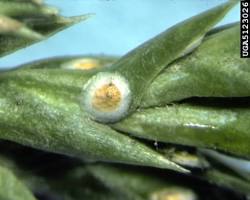
Juniper Hard Scales are armored scale insects that feed on juniper trees and shrubs by extracting sap from plant tissues. Unlike soft scales, these insects possess a hardened, protective covering that shields them from environmental stress and many chemical treatments. Although they are small and often overlooked during the early stages of infestation, heavy populations can significantly weaken ornamental junipers, leading to needle discoloration, branch dieback, thinning foliage, and long-term plant decline.
These pests belong to the family Diaspididae, commonly known as armored scales. They are among the most difficult landscape pests to control because their armor protects them from many contact insecticides and natural predators. In dry and warm climates, juniper hard scales are particularly destructive on stressed plants growing in poor soil or under drought conditions.
Because junipers are widely used in residential landscapes, commercial properties, parks, and privacy hedges, infestations can become widespread before they are noticed. Many homeowners mistake the insects for harmless bark texture, resin spots, or environmental debris until significant damage becomes visible.
Quick Facts
- Common Name: Juniper Hard Scales
- Family: Diaspididae
- Order: Hemiptera
- Main Hosts: Junipers, cypress, arborvitae
- Main Damage: Sap extraction and plant weakening
- Most Vulnerable Stage: Crawler stage
- Key Symptoms: Needle yellowing, dieback, visible armored scales
Taxonomy and Classification
Juniper hard scales belong to the armored scale family Diaspididae, one of the largest and most economically important groups of scale insects worldwide.
Scientific Classification
- Kingdom: Animalia
- Phylum: Arthropoda
- Class: Insecta
- Order: Hemiptera
- Family: Diaspididae
Armored scales differ from soft scales because their protective covering is separate from the insect’s body. This shield-like armor creates an effective barrier against:
- Desiccation
- Predators
- Environmental stress
- Many insecticide sprays
Unlike soft scales, armored scales generally do not produce significant amounts of honeydew.
Physical Description
Juniper hard scales are extremely small and stationary once mature.
Adult Females
- Circular or oval in shape
- Gray, white, tan, or brown coloration
- Less than 1/16 inch wide
- Flattened or slightly raised appearance
Their armor often resembles:
- Tiny oyster shells
- Bark flakes
- Dust-like spots
This camouflage allows infestations to remain unnoticed for long periods.
Crawler Stage
The crawler stage is the only mobile phase in the life cycle.
- Tiny yellow or orange nymphs
- Highly mobile
- Search for new feeding sites
- Most susceptible to treatment
Adult Males
Adult males are:
- Tiny
- Winged
- Short-lived
- Rarely noticed by homeowners
Distribution and Habitat
Juniper hard scales are found anywhere junipers and related conifers are cultivated.
Common Habitats
- Residential landscapes
- Commercial landscapes
- Nurseries
- Urban plantings
- Parks
- Windbreaks
These pests thrive in:
- Dry climates
- Warm environments
- Dense plant growth
- Poorly ventilated landscapes
- Water-stressed ornamental plants
Host Plants
- Juniper
- Arborvitae
- Cypress
- Cedar relatives
- Other ornamental conifers
Life Cycle
Juniper hard scales undergo incomplete metamorphosis and may produce multiple generations annually depending on climate.
Egg Stage
Adult females deposit eggs beneath their protective armor.
The eggs remain protected until hatching.
Crawler Stage
After hatching, crawlers emerge and move across the plant searching for suitable feeding sites.
Crawler emergence often occurs:
- During late spring
- Again in summer in warm climates
Once settled:
- The insects insert feeding mouthparts
- Begin extracting sap
- Develop protective armor
- Become immobile
Adult Stage
Adult females remain attached to the plant permanently while feeding continuously.
Because they remain hidden beneath armor, populations can increase dramatically before visible symptoms appear.
Behavior and Ecology
Juniper hard scales are highly specialized sap-feeding insects adapted to life on coniferous hosts.
Feeding Behavior
Using needle-like mouthparts, they pierce plant tissues and feed directly on:
- Plant fluids
- Nutrients
- Water reserves
Continuous feeding gradually weakens the host plant.
Stress Preference
Infestations are often most severe on:
- Drought-stressed plants
- Overcrowded plantings
- Transplanted shrubs
- Poorly maintained landscapes
Healthy, vigorous plants are generally more resistant.
Protective Armor
The waxy armor protects the insects from:
- Dry weather
- Predators
- Contact insecticides
This protective covering is one reason hard scales are notoriously difficult to eliminate.
Damage and Impact
Juniper hard scales damage plants slowly but persistently.
Direct Feeding Damage
- Yellowing needles
- Needle drop
- Reduced growth
- Branch dieback
- Canopy thinning
- Overall decline
Unlike soft scales, they typically do not produce large amounts of honeydew.
Long-Term Decline
Heavy infestations can eventually:
- Kill individual branches
- Weaken root systems
- Reduce drought tolerance
- Lead to full plant mortality
Landscape Impact
Juniper hard scales are especially problematic in ornamental landscapes because they:
- Reduce aesthetic value
- Create costly replacement needs
- Spread unnoticed between shrubs
- Persist for multiple seasons
Signs of Infestation
Symptoms often develop gradually and may initially resemble drought stress.
Common Indicators
- Tiny shell-like bumps on stems
- White or gray speckling
- Yellowing needles
- Needle thinning
- Patchy branch dieback
- Reduced vigor
- Stunted growth
Close inspection of branches often reveals dense clusters of armored scales attached tightly to bark and foliage.
Prevention and Control
Effective management requires targeting the vulnerable crawler stage while improving overall plant health.
Monitoring
Regular inspection is critical for early detection.
Check:
- Inner branches
- Lower foliage
- Dense canopy areas
Double-sided sticky tape wrapped around branches can help detect crawler activity.
Horticultural Oils
Dormant oils and summer horticultural oils can:
- Smother scales
- Reduce crawler survival
- Penetrate protective coverings
Thorough coverage is essential.
Insecticides
Chemical treatments are most effective during crawler emergence.
Systemic insecticides may provide additional control for severe infestations on valuable landscape plants.
Pruning
Prune heavily infested branches to:
- Reduce populations
- Improve airflow
- Increase treatment penetration
Maintain Plant Health
Healthy junipers are less vulnerable to infestation.
Important preventive practices include:
- Deep watering during drought
- Avoiding over-fertilization
- Reducing plant stress
- Proper spacing
- Improving soil drainage
Interesting Facts
- Armored scales are among the most difficult ornamental pests to control.
- The protective armor is separate from the insect’s body.
- Hard scales generally do not produce honeydew.
- Crawlers are the only mobile life stage.
- Heavy infestations may remain hidden for years before severe symptoms appear.
Conservation and Research
Research involving juniper hard scales focuses on:
- Improved crawler monitoring
- Biological control agents
- Reduced-risk insecticides
- Integrated pest management strategies
- Urban landscape stress factors
Scientists continue studying how drought, heat stress, and dense urban plantings influence armored scale outbreaks on ornamental conifers.