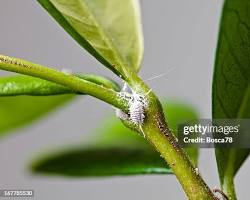
Jasmine Scale Insects are persistent sap-feeding pests that commonly infest jasmine plants in both outdoor landscapes and indoor environments. These insects belong to a group known as scale insects, which are characterized by their protective outer coverings and sedentary lifestyle once they attach to a plant. Despite their tiny size, jasmine scale insects can cause significant long-term damage by draining nutrients, weakening plant structure, and encouraging the growth of harmful fungi.
Scale infestations are especially problematic on ornamental jasmine plants because they often go unnoticed until populations become severe. Their camouflaged appearance allows them to blend into stems and foliage, while their waxy protective coating shields them from many environmental hazards and conventional pesticide sprays. Over time, untreated infestations may result in declining plant vigor, poor flowering, and eventual dieback of stems and branches.
Quick Facts
- Common Name: Jasmine Scale Insects
- Order: Hemiptera
- Superfamily: Coccoidea
- Main Host: Jasmine plants
- Primary Damage: Sap feeding and honeydew production
- Common Habitat: Gardens, greenhouses, indoor plants
- Activity: Year-round in warm environments
Taxonomy and Classification
Jasmine scale insects belong to the order Hemiptera, which includes aphids, whiteflies, and other sap-feeding insects. Most species associated with jasmine belong to the superfamily Coccoidea, commonly referred to as scale insects.
Scale insects are divided into several groups, including:
- Soft scales
- Armored scales
- Mealybugs
Different species may infest jasmine plants depending on climate and growing conditions, but all share similar feeding behaviors and life cycles.
Physical Description
Jasmine scale insects are extremely small and often mistaken for bumps, fungal growths, or natural plant structures.
Adult Appearance
- Oval or rounded body shape
- White, tan, gray, or brown coloration
- Hard or waxy protective covering
- Stationary once attached to the plant
Their protective coating acts like armor, making them difficult to crush and resistant to many spray treatments.
Crawler Stage
The newly hatched crawler stage is the only highly mobile phase of the life cycle.
- Tiny and pale-colored
- Actively moves across the plant
- Searches for feeding sites
- Most vulnerable to treatment
Eggs
Eggs are usually hidden beneath the female’s protective covering, making them difficult to detect without magnification.
Habitat and Distribution
Jasmine scale insects are found worldwide wherever jasmine plants are cultivated.
Common Environments
- Residential landscapes
- Greenhouses
- Indoor potted plants
- Tropical and subtropical gardens
- Nurseries
Warm temperatures and sheltered environments greatly favor rapid population growth.
Preferred Conditions
Scale insects thrive in:
- Humid environments
- Poorly ventilated areas
- Dense plant growth
- Overcrowded greenhouses
- Plants weakened by stress
Indoor jasmine plants are particularly vulnerable because natural predators are often absent.
Life Cycle
Jasmine scale insects undergo incomplete metamorphosis and may produce multiple generations annually in warm climates.
Egg Stage
Adult females deposit eggs beneath their waxy covering for protection.
Depending on the species and temperature, eggs may hatch within days or weeks.
Crawler Stage
After hatching, crawlers emerge and disperse:
- Across leaves
- Along stems
- Onto nearby plants
This stage is responsible for spreading infestations throughout a garden or indoor collection.
Settling and Feeding
Once a suitable feeding site is found, the crawler inserts its mouthparts into plant tissue and begins feeding on sap.
At this point:
- Movement largely stops
- The waxy covering develops
- Rapid nutrient extraction begins
Damage and Impact
Jasmine scale insects damage plants through constant sap extraction.
Nutrient Loss
Heavy infestations weaken jasmine plants by depriving them of:
- Water
- Sugars
- Essential nutrients
Symptoms include:
- Yellowing leaves
- Wilting
- Reduced flowering
- Stunted growth
Honeydew Production
Many jasmine scales excrete sticky honeydew while feeding.
Honeydew creates several secondary problems:
- Sticky leaves and surfaces
- Attraction of ants
- Growth of black sooty mold
Sooty Mold
Sooty mold fungi grow on accumulated honeydew, coating leaves with a black film.
This fungal growth:
- Blocks sunlight
- Reduces photosynthesis
- Further weakens the plant
- Ruins ornamental appearance
Branch Dieback
Severe infestations may eventually cause:
- Stem death
- Leaf drop
- Reduced flowering
- Permanent structural decline
Signs of Infestation
Several symptoms may indicate jasmine scale activity.
- Small bumps on stems and leaves
- Sticky honeydew residue
- Black sooty mold
- Yellow or curling leaves
- Weak or stunted growth
- Ant activity around the plant
- Premature leaf drop
Because scales blend into the plant, careful inspection is often necessary for early detection.
Behavior and Ecology
Scale insects are highly specialized plant parasites adapted for long-term feeding.
Sedentary Lifestyle
Once attached to the plant, adult females rarely move again.
Their energy is devoted to:
- Feeding
- Egg production
- Population expansion
Ant Relationships
Ants are frequently associated with scale infestations because they feed on honeydew.
In return, ants may:
- Protect scales from predators
- Disrupt biological control agents
- Help scale populations grow larger
Management and Prevention
Effective management requires persistence and integrated pest management (IPM) techniques.
Physical Removal
- Prune heavily infested stems
- Wipe scales off manually
- Use cotton swabs dipped in alcohol
Small infestations can often be controlled through early physical removal alone.
Horticultural Oils
Horticultural oils are among the most effective treatments.
These oils:
- Smother insects beneath their coating
- Target crawler stages
- Reduce egg survival
Thorough coverage is essential for success.
Insecticidal Soap
Insecticidal soaps help suppress young crawlers before they develop protective armor.
Repeated applications are usually necessary.
Biological Control
Natural predators can provide long-term suppression:
- Lady beetles
- Lacewings
- Parasitic wasps
Reducing unnecessary pesticide use helps preserve these beneficial insects.
Plant Health
Healthy jasmine plants are more resistant to severe infestations.
- Avoid overwatering
- Improve airflow
- Reduce overcrowding
- Provide balanced fertilization
Isolation
Indoor plants showing signs of infestation should be isolated immediately to prevent spread to nearby houseplants.
Interesting Facts
- Scale insects are closely related to aphids and mealybugs.
- Many species reproduce rapidly without mating.
- The crawler stage is the primary dispersal phase.
- Some scales produce hard armor-like coverings.
- Ants often protect scale insects in exchange for honeydew.
Conservation and Research
Research on jasmine scale insects focuses on:
- Improved biological control strategies
- Resistance to pesticides
- Integrated pest management systems
- Natural predator conservation
- Reduced chemical dependency
Scientists continue studying environmentally friendly management methods that protect ornamental plants while preserving beneficial insect populations.