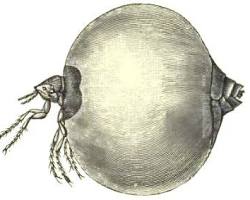
Jigger Fleas, also known as Chigoe Fleas (Tunga penetrans), are tiny parasitic insects that burrow directly into the skin of humans and animals. Unlike most fleas, which remain on the surface of the host while feeding, the fertilized female jigger flea embeds itself beneath the skin where it feeds, enlarges, and produces eggs. This condition, known as Tungiasis, can cause painful swelling, severe irritation, secondary infections, and long-term medical complications if left untreated.
Jigger fleas are considered medically important pests in many tropical and subtropical regions of the world. They are especially common in areas with poor sanitation, sandy soil, and limited access to healthcare. Although the insects are extremely small, their impact on human health can be severe, particularly among children, the elderly, and people who regularly walk barefoot.
Quick Facts
- Common Name: Jigger Flea
- Other Names: Chigoe Flea, Sand Flea
- Scientific Name: Tunga penetrans
- Order: Siphonaptera
- Primary Habitat: Sandy soil and dry ground
- Main Hosts: Humans, dogs, pigs, rodents, livestock
- Medical Concern: Tungiasis and secondary infections
Taxonomy and Classification
Jigger fleas belong to the order Siphonaptera, the same group that includes all true fleas. They are part of the family Tungidae, which contains several species capable of embedding into the skin of hosts.
Unlike common household fleas such as cat fleas or dog fleas, jigger fleas exhibit a highly specialized parasitic behavior. The female flea physically burrows into the outer layers of skin, leaving only the rear portion of the abdomen exposed for breathing, feeding, and egg release.
Jigger fleas undergo complete metamorphosis with four distinct life stages:
- Egg
- Larva
- Pupa
- Adult
Physical Description
Adult jigger fleas are extremely small insects, typically measuring only about 1 millimeter before feeding.
Adult Appearance
- Tiny reddish-brown or dark brown body
- Wingless and laterally compressed
- Strong hind legs adapted for jumping
- Piercing mouthparts for feeding on blood
Because of their small size, adult fleas are difficult to detect before infestation occurs.
Embedded Female
Once the fertilized female penetrates the skin, she begins to enlarge dramatically while feeding and producing eggs.
The embedded flea may expand to:
- Pea-sized swelling
- White or yellowish lesion
- Central black opening visible on the skin
The black opening is the exposed rear end of the flea, through which it breathes and expels eggs.
Distribution and Habitat
Jigger fleas are commonly found in:
- Tropical regions
- Subtropical climates
- Dry sandy environments
- Rural communities
- Areas with poor sanitation
Geographic Range
They are especially common in:
- Sub-Saharan Africa
- Central America
- South America
- Caribbean regions
- Parts of Asia
Preferred Environments
Jigger fleas thrive in:
- Sandy soil
- Dusty ground
- Animal pens
- Dirt floors
- Poorly maintained living areas
They are frequently associated with:
- Pig pens
- Livestock shelters
- Rural villages
- Areas where people walk barefoot
Life Cycle
The jigger flea life cycle depends heavily on warm soil conditions and host availability.
Egg Stage
After embedding into the skin, the female flea releases hundreds of eggs into the surrounding environment.
The eggs fall onto:
- Soil
- Flooring
- Bedding
- Animal resting areas
Larval Stage
Larvae hatch from the eggs and feed on organic debris within the soil.
Common food sources include:
- Skin flakes
- Organic matter
- Dried blood particles
Pupal Stage
The larvae eventually spin cocoons and pupate in the soil.
Adult Stage
Adult fleas emerge from the pupae and seek hosts for blood feeding and reproduction.
Females penetrate the host skin shortly after mating.
Behavior and Feeding
Jigger fleas most commonly infest:
- Feet
- Toes
- Toenails
- Heels
- Hands
The feet are especially vulnerable because contact with contaminated soil is common.
Skin Penetration
The female flea burrows head-first into the skin using specialized mouthparts.
As the flea enlarges:
- Tissue swells around it
- Inflammation increases
- Pain develops
- Itching intensifies
Egg Production
The embedded flea remains alive for several weeks while continuously producing eggs.
After completing reproduction, the flea dies within the skin unless removed.
Damage and Medical Impact
Jigger fleas are considered medically dangerous because infestations can lead to serious health complications.
Primary Symptoms
- Intense itching
- Painful swelling
- Inflammation
- Difficulty walking
- Skin ulceration
Secondary Infections
Open lesions may become infected by bacteria, leading to:
- Abscesses
- Cellulitis
- Tetanus
- Gangrene
- Severe tissue damage
Repeated infestations can permanently damage nails, toes, and skin tissue.
Animal Health Effects
Domestic animals may suffer:
- Lameness
- Weight loss
- Secondary infections
- Reduced mobility
Signs of Infestation
Common indicators include:
- Small circular lesions on the feet
- White swelling with black center
- Pain while walking
- Persistent itching
- Inflamed or infected skin
Severe infestations may involve dozens or even hundreds of embedded fleas.
Prevention and Control
Effective prevention focuses on sanitation, footwear, and environmental management.
Personal Protection
- Wear closed shoes outdoors
- Avoid walking barefoot
- Wash feet regularly
- Inspect skin frequently in high-risk areas
Environmental Management
- Improve sanitation
- Replace dirt floors where possible
- Remove animal waste
- Treat infested animal resting areas
Medical Removal
Embedded fleas should be removed carefully using sterile instruments.
Improper removal can:
- Increase infection risk
- Leave flea parts embedded
- Worsen inflammation
Antiseptic treatment is important after removal.
Animal Treatment
Pets and livestock may require:
- Veterinary flea treatment
- Environmental sanitation
- Regular inspections
Interesting Facts
- Jigger fleas are among the few fleas that permanently embed into skin.
- The condition caused by infestation is called Tungiasis.
- Females enlarge dramatically after burrowing into the host.
- One embedded flea may produce hundreds of eggs.
- Heavy infestations can seriously impair mobility.
Conservation and Research
Research on jigger fleas focuses on:
- Tropical disease prevention
- Public health education
- Improved sanitation systems
- Rural healthcare access
- Environmental control methods
Public health organizations continue working to reduce Tungiasis in vulnerable communities through improved sanitation, footwear access, and medical treatment programs.