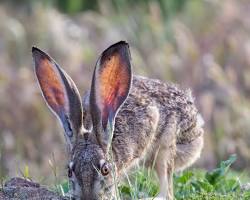
Jackrabbit Ticks are parasitic arachnids that primarily feed on jackrabbits and other wild mammals throughout arid and semi-arid regions of North America. These ticks are medically significant because they are capable of transmitting dangerous pathogens between wildlife, domestic animals, and humans. They are commonly associated with diseases such as tularemia and other bacterial infections that can pose serious public health concerns.
Like many hard ticks, Jackrabbit Ticks spend much of their life hidden within vegetation, waiting for passing hosts. Their ability to feed on multiple host species during different stages of development increases their role in spreading diseases across ecosystems. Although they are most closely linked with jackrabbits and hares, they may also attach to pets, livestock, wildlife, and humans when opportunities arise.
Quick Facts
- Common Name: Jackrabbit Ticks
- Class: Arachnida
- Order: Ixodida
- Main Hosts: Jackrabbits and wild mammals
- Diet: Blood-feeding parasite
- Habitat: Grasslands, deserts, shrublands
- Medical Importance: Disease vector
- Status: Wildlife and public health pest
Taxonomy and Classification
Jackrabbit Ticks belong to the order Ixodida, the group containing all ticks. Most species associated with jackrabbits belong to the family Ixodidae, commonly known as hard ticks.
Ticks are not insects. They are arachnids, meaning they are more closely related to spiders and mites.
Their life cycle includes four stages:
- Egg
- Larva
- Nymph
- Adult
Each active stage requires a blood meal before the tick can molt into the next developmental stage.
Because ticks often feed on different host species during each life stage, they are highly effective at spreading pathogens among wildlife and domestic animals.
Physical Description
Adult Jackrabbit Ticks are small, oval-shaped arachnids measuring a few millimeters long before feeding.
Appearance
- Reddish-brown to gray coloration
- Flattened oval body before feeding
- Eight legs during nymph and adult stages
- Hard outer shield (scutum)
- Specialized piercing mouthparts
After feeding, the tick becomes swollen and lighter in color as the body expands with blood.
Larval Stage
Larvae are extremely tiny and possess only six legs, unlike the eight-legged nymphs and adults.
Mouthparts
Ticks possess highly specialized mouthparts designed to:
- Pierce skin
- Anchor securely to the host
- Remain attached for extended feeding periods
Distribution and Habitat
Jackrabbit Ticks are commonly found throughout:
- The western United States
- Southwestern deserts
- Grassland ecosystems
- Shrublands
- Semi-arid habitats
Their populations are strongly linked to the presence of jackrabbits and other suitable wildlife hosts.
Preferred Habitat
Ticks thrive in environments that provide:
- Dense ground vegetation
- Shade and humidity
- Wildlife movement corridors
- Protected resting sites
They are especially common along:
- Trail edges
- Brushy fence lines
- Tall grass
- Desert washes
Behavior and Ecology
Jackrabbit Ticks are external blood-feeding parasites that rely on hosts for survival and reproduction.
Questing Behavior
Ticks commonly use a behavior known as questing.
During questing:
- The tick climbs vegetation
- Extends its front legs outward
- Waits for a passing host
Once contact is made, the tick quickly attaches and begins searching for a suitable feeding location.
Host Attachment
Ticks often prefer warm, protected regions of the body, including:
- Behind ears
- Underarms
- Groin regions
- Neck folds
Feeding Duration
A single feeding session may last several days depending on the life stage and host availability.
Life Cycle
The tick life cycle may take months or even years to complete depending on climate and host access.
Egg Stage
Adult females lay large clusters of eggs within protected areas of soil or vegetation.
Larval Stage
Tiny larvae emerge and seek their first blood meal, usually from small mammals or birds.
Nymph Stage
After molting, the nymph seeks another host and feeds again before becoming an adult.
Adult Stage
Adult ticks commonly feed on larger mammals such as:
- Jackrabbits
- Coyotes
- Livestock
- Pets
- Humans
Damage and Impact
Jackrabbit Ticks create problems through both direct feeding and disease transmission.
Skin Irritation
Tick bites can cause:
- Redness
- Swelling
- Localized pain
- Allergic reactions
Blood Loss
Heavy infestations on wildlife or livestock may lead to:
- Anemia
- Weakness
- Stress
- Reduced condition
Disease Transmission
Their greatest significance comes from their ability to spread disease-causing organisms.
Diseases associated with rabbit ticks include:
- Tularemia
- Bacterial infections
- Tick-borne fevers
Tularemia
Tularemia is caused by the bacterium Francisella tularensis.
Humans may become infected through:
- Tick bites
- Handling infected wildlife
- Contact with contaminated tissue
Signs of Infestation
Common signs of tick activity include:
- Visible attached ticks on skin or fur
- Persistent scratching in pets
- Small inflamed bite sites
- Tick encounters during outdoor activities
- Wild rabbit activity near structures
Large numbers of ticks in recreational or residential areas may indicate a nearby wildlife population surge.
Management and Prevention
Successful tick prevention relies on reducing exposure and limiting wildlife harborage.
Personal Protection
- Wear long sleeves and pants in tick-prone areas
- Tuck pants into socks when hiking
- Use tick repellents containing DEET or permethrin
- Perform full-body tick checks after outdoor activity
Landscape Management
- Keep grass trimmed short
- Remove excess brush and debris
- Reduce wildlife shelter near homes
- Create dry barriers between lawns and wild vegetation
Pet Protection
Use veterinarian-approved tick preventatives for:
- Dogs
- Cats
- Outdoor animals
Wildlife Management
Discouraging jackrabbits and rodents from nesting near homes can reduce local tick populations.
Tick Removal
Attached ticks should be removed promptly using fine-tipped tweezers.
- Grasp the tick close to the skin
- Pull steadily upward
- Avoid crushing the tick
- Clean the area afterward
Ecological Importance
Although considered pests, ticks are part of natural ecosystems.
- Serve as food for some predators
- Influence wildlife population dynamics
- Participate in complex disease ecology cycles
However, their public health importance makes monitoring and prevention essential.
Interesting Facts
- Ticks can survive months without feeding.
- They detect hosts using heat, carbon dioxide, and movement.
- Some ticks expand several times their original size while feeding.
- Ticks are more closely related to spiders than insects.
- Questing behavior allows ticks to ambush passing hosts efficiently.
Conservation and Research
Research involving Jackrabbit Ticks focuses on:
- Disease transmission cycles
- Wildlife epidemiology
- Climate impacts on tick populations
- Improved repellents and control methods
- Monitoring emerging tick-borne diseases
Public health agencies continue tracking tick populations and associated pathogens in regions where human and wildlife interactions are increasing.