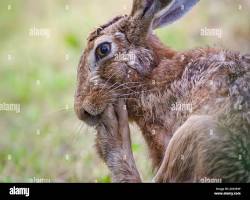
Jackrabbit Fleas are parasitic insects that primarily infest jackrabbits and other wild lagomorphs throughout arid and semi-arid regions of North America. These fleas survive by feeding on the blood of their hosts and are well adapted to life within burrows, nests, and resting areas used by wild rabbits. Although their primary hosts are wild animals, Jackrabbit Fleas can opportunistically bite domestic pets, livestock, and humans when conditions allow.
These fleas are medically important because they are capable of transmitting dangerous pathogens between wildlife populations and, in some cases, to people. Of particular concern is their association with tularemia, a serious bacterial disease that affects both animals and humans. In regions with large jackrabbit populations, flea outbreaks can increase the risk of zoonotic disease transmission and create nuisance infestations around homes, farms, and recreational areas.
Quick Facts
- Common Name: Jackrabbit Fleas
- Order: Siphonaptera
- Main Hosts: Jackrabbits and wild rabbits
- Habitat: Burrows, nests, grasslands, desert regions
- Diet: Blood-feeding parasite
- Medical Importance: Disease vector
- Status: Wildlife and public health pest
Taxonomy and Classification
Jackrabbit Fleas belong to the order Siphonaptera, the group that includes all true fleas. Fleas are highly specialized external parasites adapted for feeding on warm-blooded animals.
Unlike winged insects, fleas have evolved flattened bodies and enlarged hind legs that allow them to move efficiently through fur and jump remarkable distances relative to their size.
Several flea species may infest jackrabbits depending on geographic region, including species in the genera:
- Cediopsylla
- Euhoplopsyllus
- Orchopeas
These fleas undergo complete metamorphosis with four developmental stages:
- Egg
- Larva
- Pupa
- Adult
Physical Description
Adult Jackrabbit Fleas are tiny, wingless insects typically measuring 1/16 to 1/8 inch long.
Adult Appearance
- Dark brown to reddish-brown coloration
- Flattened side-to-side body
- Powerful hind legs for jumping
- Hard outer exoskeleton
- Piercing-sucking mouthparts
Their flattened bodies allow them to move quickly through dense fur while avoiding removal by grooming.
Larvae
Larvae are worm-like, pale, and legless.
- Avoid direct light
- Live within nest debris
- Feed on organic material and flea dirt
Pupae
Pupation occurs inside silk-like cocoons hidden within soil, debris, or nesting material.
Distribution and Habitat
Jackrabbit Fleas are most common in regions where jackrabbits thrive.
Primary Distribution
- Southwestern United States
- Great Plains
- Desert regions
- Semi-arid grasslands
- Parts of Mexico
Preferred Habitat
They are strongly associated with:
- Rabbit burrows
- Nesting areas
- Tall grass
- Brush piles
- Wildlife resting sites
The immature stages develop in protected environments rich in organic matter and animal debris.
Life Cycle
Jackrabbit Fleas undergo complete metamorphosis and may complete multiple generations annually under favorable conditions.
Egg Stage
Female fleas lay eggs directly on the host animal or within nesting areas.
The eggs often fall into:
- Burrow soil
- Plant litter
- Animal bedding
- Nest debris
Larval Stage
Larvae feed on:
- Organic debris
- Dried blood
- Flea feces
- Skin particles
This stage typically occurs in protected, shaded environments.
Pupal Stage
The pupal cocoon protects the developing flea from environmental extremes and insecticides.
Adult Emergence
Adults emerge when stimulated by:
- Heat
- Carbon dioxide
- Vibrations
- Host movement
This allows newly emerged fleas to locate hosts efficiently.
Behavior and Ecology
Jackrabbit Fleas are highly adapted blood-feeding parasites.
Host Dependence
Adults rely on warm-blooded hosts for survival and reproduction.
Jumping Ability
Their enlarged hind legs allow them to leap considerable distances to locate hosts.
Burrow Association
Most developmental stages occur away from the host inside:
- Nests
- Burrows
- Soil debris
- Animal resting areas
Seasonal Activity
Populations often increase during warm weather when host activity is high.
Damage and Impact
Although tiny, Jackrabbit Fleas can create significant health and nuisance problems.
Blood Loss
Heavy infestations may cause:
- Anemia
- Weakness
- Stress in host animals
Disease Transmission
Their greatest importance comes from their ability to transmit pathogens.
Diseases associated with rabbit fleas include:
- Tularemia
- Bacterial infections
- Secondary skin infections
Humans may become infected through flea bites or handling infected wildlife.
Pet Exposure
Dogs and cats living near rabbit habitats may acquire fleas when:
- Exploring burrows
- Hunting rabbits
- Resting in infested grass
Human Nuisance
When rabbit populations decline or burrows are disturbed, fleas may migrate into:
- Yards
- Garages
- Sheds
- Homes
Signs of Infestation
Several indicators may suggest the presence of Jackrabbit Fleas.
- Excessive scratching in pets
- Visible fleas in fur
- Small itchy bites on humans
- Flea dirt in animal bedding
- Wild rabbit activity near structures
- Flea activity around burrows or brush piles
Outdoor infestations may become noticeable after heavy rain or habitat disturbance.
Management and Prevention
Successful control requires a combination of sanitation, wildlife management, and flea prevention.
Wildlife Exclusion
- Discourage jackrabbits from nesting near homes
- Seal crawl spaces and outbuildings
- Remove dense brush and hiding areas
Yard Maintenance
- Keep grass trimmed
- Reduce debris accumulation
- Remove unused wood piles
- Eliminate abandoned burrows where possible
Pet Protection
Pets should receive veterinarian-approved flea preventatives year-round in affected areas.
Indoor Prevention
- Vacuum frequently
- Wash pet bedding regularly
- Treat indoor infestations promptly
Professional Pest Control
Severe infestations may require professional outdoor treatment of:
- Burrow systems
- Landscape edges
- Perimeter vegetation
Health Risks
Jackrabbit Fleas are medically important because they can transmit zoonotic diseases.
Tularemia
Tularemia is caused by the bacterium Francisella tularensis.
Symptoms in humans may include:
- Fever
- Swollen lymph nodes
- Skin ulcers
- Fatigue
People should avoid handling sick or dead rabbits without protective equipment.
Ecological Importance
Despite their pest status, fleas play roles within natural ecosystems.
- Part of wildlife food webs
- Influence host population dynamics
- Serve as prey for small arthropod predators
However, their disease-vector potential makes them significant public health concerns.
Interesting Facts
- Fleas can jump more than 100 times their body length.
- Most of the flea life cycle occurs away from the host animal.
- Adult fleas can remain dormant in cocoons for extended periods.
- Jackrabbit Fleas thrive in dry grassland ecosystems.
- Wild rabbit population cycles often influence flea abundance.
Conservation and Research
Research involving Jackrabbit Fleas focuses heavily on:
- Disease transmission cycles
- Wildlife epidemiology
- Climate effects on flea populations
- Zoonotic pathogen monitoring
- Integrated flea management strategies
Public health agencies continue monitoring flea populations in areas where tularemia outbreaks occur to reduce risks to humans, pets, and livestock.