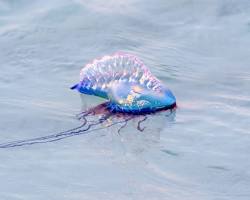
Jellyfish (Stinging Species) are marine invertebrates that pose risks to swimmers, fishermen, and coastal communities due to their ability to deliver painful stings. While not pests in the traditional sense, their seasonal population surges—known as blooms—can disrupt recreational activities, fisheries, and even industrial operations such as water intake systems.
Identification
Jellyfish have soft, gelatinous bodies shaped like an umbrella or bell, with trailing tentacles that contain specialized stinging cells called nematocysts. These cells release venom when triggered, allowing jellyfish to capture prey and defend themselves. Species vary widely in size and color, ranging from nearly invisible to brightly colored forms.
Habitat and Distribution
Jellyfish are found in oceans around the world, from shallow coastal waters to deep seas. Certain species are more common in warmer waters, while others thrive in cooler environments. Blooms often occur in areas with abundant nutrients, favorable temperatures, and reduced predation.
Life Cycle
The life cycle of jellyfish includes both a stationary polyp stage and a free-swimming medusa stage. Polyps attach to surfaces and reproduce asexually, producing multiple juvenile jellyfish. These develop into adult medusae, which reproduce sexually, completing the cycle. This dual-stage life cycle allows rapid population expansion under the right conditions.
Damage and Impact
Stings from jellyfish can cause pain, redness, and irritation. In some cases, more severe reactions such as allergic responses or systemic symptoms may occur. Large blooms can impact tourism by closing beaches and may interfere with fishing operations by clogging nets or damaging equipment.
Signs of Presence
Visible jellyfish in the water or washed up on beaches are the most obvious indicators. Warning signs posted at beaches often alert swimmers to increased jellyfish activity.
Prevention and Safety
Swimmers should avoid entering water where jellyfish are present and wear protective clothing when necessary. Following local advisories and understanding first aid measures for stings can reduce risks. Removing tentacles carefully and rinsing with appropriate solutions can help minimize discomfort after a sting.