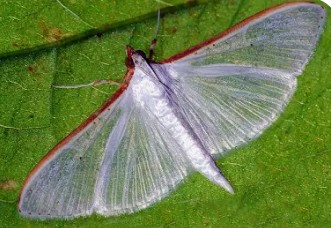
Jasmine Moth refers to several moth species whose caterpillars feed on jasmine plants, causing damage to foliage, flower buds, and tender new growth. These moth pests are commonly associated with ornamental jasmine varieties grown in gardens, patios, landscapes, and greenhouses throughout warm and tropical climates. While adult moths are generally harmless pollinators or nectar feeders, the larval stage can become destructive when populations increase.
Jasmine plants are prized for their fragrant flowers and attractive vines, making them popular ornamental additions in residential and commercial landscapes. However, infestations of jasmine-feeding moth larvae can weaken plants, reduce flowering, and diminish the overall appearance of healthy vines and shrubs. Severe infestations may result in extensive defoliation and long-term stress to the plant.
Quick Facts
- Common Name: Jasmine Moth
- Order: Lepidoptera
- Main Host: Jasmine plants
- Damaging Stage: Caterpillar larvae
- Habitat: Gardens, landscapes, greenhouses
- Primary Damage: Leaf chewing and bud destruction
- Activity: Most active during warm seasons
Taxonomy and Classification
Jasmine moths belong to the order Lepidoptera, which includes moths and butterflies. The term “Jasmine Moth” may refer to several species whose larvae specialize in feeding on jasmine plants or closely related ornamentals.
Like most moths, jasmine moths undergo complete metamorphosis consisting of four stages:
- Egg
- Larva (caterpillar)
- Pupa
- Adult moth
The caterpillar stage is responsible for nearly all plant damage.
Physical Description
The appearance of jasmine moths varies by species, but most share similar traits.
Adult Moths
- Small to medium-sized
- Muted brown, gray, or cream coloration
- Narrow wings held flat or roof-like when resting
- Primarily nocturnal activity
Adults are often difficult to notice because their dull coloration blends into bark, leaves, and walls during daytime resting periods.
Larvae (Caterpillars)
The caterpillars are the damaging life stage and are usually:
- Green, brown, or yellowish
- Well-camouflaged among leaves
- Smooth-bodied with segmented appearance
- Active feeders on foliage and buds
Some species may produce silk webbing that lightly ties leaves together for shelter.
Pupae
Pupation typically occurs:
- In leaf litter
- Attached to stems
- Within silk cocoons
- Inside folded leaves
Distribution and Habitat
Jasmine moths are found worldwide wherever jasmine plants are cultivated.
Common Regions
- Southern United States
- Tropical regions
- Subtropical climates
- Greenhouse environments
- Mediterranean landscapes
Preferred Habitat
These moths thrive in environments containing:
- Dense ornamental plantings
- Warm temperatures
- High humidity
- Protected foliage
- Flowering jasmine vines
Poor air circulation and overgrown vegetation often encourage larger infestations.
Life Cycle
Jasmine moths may produce multiple generations annually in favorable climates.
Egg Stage
Females lay eggs directly on:
- Leaf undersides
- Flower buds
- Tender stems
- New foliage
Eggs are typically tiny and difficult to detect without close inspection.
Larval Stage
After hatching, caterpillars immediately begin feeding on plant tissue.
Larval feeding may continue for several weeks depending on:
- Temperature
- Food availability
- Humidity
- Species type
Pupal Stage
Once mature, larvae pupate in protected locations before emerging as adults.
Adult Stage
Adult moths emerge primarily at night to:
- Mate
- Lay eggs
- Locate host plants
- Continue the infestation cycle
Damage and Impact
The primary damage caused by jasmine moths comes from caterpillar feeding.
Leaf Damage
- Chewed leaf edges
- Irregular holes
- Skeletonized foliage
- Partial defoliation
Flower and Bud Damage
Caterpillars may attack:
- Flower buds
- Developing blooms
- Tender stems
This results in:
- Reduced flowering
- Distorted blooms
- Premature bud drop
Plant Stress
Heavy infestations can:
- Slow plant growth
- Reduce vigor
- Cause yellowing leaves
- Increase susceptibility to disease
Signs of Infestation
Several indicators may reveal jasmine moth activity.
- Chewed leaves and buds
- Visible green or brown caterpillars
- Silk webbing on foliage
- Reduced flowering
- Leaf curling or folding
- Small droppings (frass) beneath plants
Nighttime inspections with a flashlight often reveal active caterpillars feeding on foliage.
Behavior and Ecology
Jasmine moth caterpillars are primarily nocturnal feeders.
Feeding Habits
Larvae typically feed during:
- Evening hours
- Nighttime
- Cool early mornings
During daylight hours they hide:
- Under leaves
- Within curled foliage
- Near stems and buds
Natural Predators
Jasmine moth populations are naturally controlled by:
- Birds
- Parasitic wasps
- Spiders
- Predatory beetles
- Lizards
Management and Prevention
Integrated pest management (IPM) is the most effective approach for controlling jasmine moths.
Physical Removal
- Hand-pick visible caterpillars
- Prune heavily infested foliage
- Remove damaged buds
Early intervention prevents population explosions.
Garden Sanitation
- Remove fallen leaves
- Reduce dense overgrowth
- Improve air circulation
- Keep plants healthy through proper watering
Biological Control
Beneficial organisms can help suppress infestations:
- Parasitic wasps
- Predatory insects
- Bacillus thuringiensis (Bt)
Bt is especially effective against young caterpillars while remaining relatively safe for beneficial insects.
Chemical Control
For severe infestations:
- Neem oil may reduce feeding
- Insecticidal soaps can target young larvae
- Residual insecticides may be necessary for heavy outbreaks
Applications are most effective when timed against newly hatched caterpillars.
Interesting Facts
- Many jasmine moth species are highly host-specific.
- Their camouflage helps protect larvae from predators.
- Adult moths are usually harmless nectar feeders.
- Warm climates allow several generations annually.
- Night feeding behavior makes infestations difficult to detect early.
Conservation and Research
Research involving jasmine moths focuses on:
- Host plant relationships
- Biological control methods
- Sustainable ornamental pest management
- Reduced pesticide dependence
- Caterpillar feeding behavior
Scientists continue developing environmentally friendly control methods that protect ornamental plants while minimizing impacts on pollinators and beneficial insects.