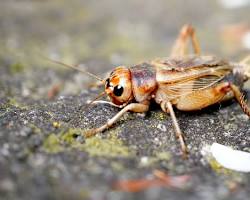
Jamaican Field Crickets (Gryllus assimilis) are medium-sized nocturnal insects commonly found in warm tropical and subtropical regions. Known for their persistent nighttime chirping, these crickets are widespread throughout the Caribbean, Central America, and the southern United States. While generally harmless outdoors, large populations can become nuisance pests when they invade homes, commercial buildings, greenhouses, and gardens.
These crickets are highly adaptable and thrive in humid environments with abundant shelter and food sources. Their loud mating calls, attraction to lights, and occasional feeding on plants and fabrics make them a concern in residential and agricultural settings. Jamaican Field Crickets are also widely bred as feeder insects for reptiles, amphibians, and exotic pets due to their high protein content and relatively easy care.
Quick Facts
- Common Name: Jamaican Field Cricket
- Scientific Name: Gryllus assimilis
- Order: Orthoptera
- Family: Gryllidae
- Main Habitat: Gardens, grassy fields, debris piles
- Diet: Omnivorous scavenger
- Activity: Primarily nocturnal
- Status: Common nuisance pest
Taxonomy and Classification
Jamaican Field Crickets belong to the order Orthoptera, the same insect group containing grasshoppers, katydids, and true crickets. They are members of the family Gryllidae, commonly known as field crickets.
Like other crickets, Jamaican Field Crickets undergo incomplete metamorphosis, meaning they develop through three life stages:
- Egg
- Nymph
- Adult
Unlike insects with complete metamorphosis, juvenile crickets resemble miniature adults and gradually develop wings and reproductive organs through repeated molts.
Physical Description
Adult Jamaican Field Crickets are typically 3/4 to 1 inch long and possess the classic cricket appearance.
Adult Appearance
- Dark brown to black body coloration
- Long, thread-like antennae
- Large hind legs adapted for jumping
- Flattened oval-shaped body
- Fully developed wings in adults
Their strong hind legs allow them to leap considerable distances when disturbed.
Chirping Behavior
Male crickets produce their distinctive chirping sounds through a process called stridulation, where specialized wing surfaces are rubbed together.
The chirping serves several purposes:
- Attracting females
- Defending territory
- Communicating with rivals
- Establishing mating success
Nymphs
Young crickets resemble adults but:
- Lack fully developed wings
- Are smaller in size
- Molt repeatedly as they grow
Distribution and Habitat
Jamaican Field Crickets are widely distributed in warm and humid climates.
Primary Distribution
- Caribbean islands
- Southern United States
- Central America
- Parts of South America
- Tropical greenhouse systems worldwide
Preferred Habitat
These crickets thrive in:
- Grassy fields
- Gardens
- Mulch beds
- Wood piles
- Leaf litter
- Compost areas
- Basements and crawl spaces
They prefer environments with:
- High humidity
- Moderate warmth
- Dark hiding places
- Access to organic material
Life Cycle
The Jamaican Field Cricket life cycle may last several weeks to several months depending on temperature and environmental conditions.
Egg Stage
Females lay eggs in:
- Moist soil
- Organic debris
- Protected cracks and crevices
Warm conditions accelerate egg development.
Nymph Stage
After hatching, nymphs begin feeding immediately and molt multiple times as they mature.
During each molt:
- The exoskeleton is shed
- Body size increases
- Wing development progresses
Adult Stage
Adults become fully reproductive and males begin chirping to attract mates.
Under favorable conditions, multiple overlapping generations may occur each year.
Behavior and Ecology
Jamaican Field Crickets are opportunistic omnivores and active scavengers.
Feeding Habits
Their diet includes:
- Plant material
- Leaves and stems
- Seeds
- Fungi
- Dead insects
- Organic debris
- Fabric fibers indoors
Nocturnal Activity
These crickets are primarily active at night when they:
- Search for food
- Mate
- Chirp
- Explore new shelter areas
During the daytime they hide beneath objects or inside dark protected spaces.
Attraction to Light
Like many nocturnal insects, Jamaican Field Crickets are attracted to:
- Porch lights
- Street lamps
- Indoor lighting
- Commercial signage
This attraction frequently leads to accidental indoor invasions.
Damage and Impact
Although primarily nuisance pests, Jamaican Field Crickets can create several problems in homes and gardens.
Nuisance Noise
The loud nighttime chirping of males is often the most common complaint.
Continuous chirping may:
- Disrupt sleep
- Become irritating indoors
- Attract additional crickets
Plant Damage
In gardens and greenhouses they may feed on:
- Seedlings
- Leaves
- Young stems
- Soft fruit
Damage is usually minor but may become noticeable during large infestations.
Indoor Damage
Inside structures, crickets occasionally chew:
- Fabric
- Paper products
- Cardboard
- Wallpaper glue
- Organic residues
Predator Attraction
Large cricket populations may attract:
- Spiders
- Scorpions
- Lizards
- Rodents
Signs of Infestation
Several indicators may suggest Jamaican Field Cricket activity.
- Loud chirping at night
- Visible jumping crickets indoors
- Minor leaf chewing damage
- Dark droppings near hiding areas
- Crickets gathering near lights
- Increased activity in basements or crawl spaces
Management and Prevention
Control strategies focus on exclusion, moisture reduction, and habitat modification.
Moisture Reduction
- Repair plumbing leaks
- Improve ventilation
- Reduce standing water
- Use dehumidifiers indoors
Exclusion
Prevent indoor entry by:
- Sealing cracks and gaps
- Installing door sweeps
- Repairing window screens
- Closing utility openings
Outdoor Habitat Reduction
- Remove piles of debris
- Trim dense vegetation
- Reduce mulch thickness
- Store firewood away from structures
Monitoring and Traps
Sticky traps can help monitor and reduce indoor populations.
Chemical Control
If infestations become severe:
- Residual insecticides may be applied around foundations
- Baits may help reduce populations
- Professional pest control may be required for large infestations
Interesting Facts
- Male crickets chirp by rubbing their wings together.
- Temperature affects chirping speed.
- They are commonly raised as reptile feeder insects.
- Crickets can jump many times their body length.
- They are highly sensitive to vibrations and movement.
Ecological Importance
Despite their nuisance status, Jamaican Field Crickets contribute positively to ecosystems.
- Serve as prey for birds, reptiles, and mammals
- Help recycle organic material
- Contribute to soil nutrient cycling
- Support food chains in natural habitats
Conservation and Research
Research involving Jamaican Field Crickets focuses on:
- Acoustic communication
- Reproductive behavior
- Feeder insect production
- Environmental adaptation
- Population ecology
Scientists continue studying cricket communication systems and their importance within tropical ecosystems.