Overview
Gum leaf skeletonizers are leaf-feeding pests that primarily attack eucalyptus trees and related species commonly referred to as gum trees. The name “skeletonizer” comes from the distinctive feeding pattern produced by the larvae, which remove soft leaf tissue while leaving behind a network of veins that gives affected foliage a skeletal appearance. In landscapes, plantations, and urban plantings where eucalyptus is valued for shade, wind protection, or ornamental use, these insects can become highly noticeable because the damage they cause is both visually dramatic and potentially stressful to the tree.
Although several insects may be described generally as gum leaf skeletonizers, the term is most often applied to moth larvae that feed externally on eucalyptus foliage. Their impact depends on the age of the tree, the severity of the infestation, and whether repeated defoliation occurs over multiple seasons. Mature trees can often tolerate moderate feeding, but young trees, stressed specimens, or heavily infested plantings may show reduced vigor, slower growth, and increased susceptibility to secondary problems such as drought stress or opportunistic pests.
These insects are especially important in regions where eucalyptus has been introduced outside its native range, because trees growing in ornamental or commercial settings may have fewer natural enemies than in their native habitats. In such cases, skeletonizer outbreaks can become more visible and persistent. Even when infestations are not severe enough to kill trees, repeated feeding can reduce aesthetic value and lead homeowners or land managers to seek identification and control advice.
Identification
Gum leaf skeletonizers are most easily identified by the feeding damage they leave behind. Affected leaves often appear transparent or lace-like at first, then turn brown and ragged as the remaining tissues dry out. In heavier infestations, leaves may become almost entirely skeletonized, curl, or drop prematurely. The larvae themselves are usually small caterpillars that may be green, yellowish, brown, or striped depending on species and age. They are commonly found feeding on the leaf surface, sometimes in groups when young.
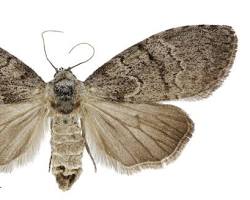
Adult moths are generally much less noticeable than the larvae. They are usually small to medium-sized, with muted coloration that blends into bark or foliage. Because adults are nocturnal and relatively inconspicuous, the larval stage is the one most often associated with visible damage and pest complaints.
Habitat
These pests are closely associated with eucalyptus trees in landscapes, parks, roadside plantings, windbreaks, and commercial stands. They are most common where host trees are abundant and where climatic conditions favor repeated breeding cycles. Warm seasons generally support more active larval feeding, while mild winters may allow populations to persist for longer periods.
Larvae are found directly on leaves, especially fresh foliage that is easier to consume. Eggs are typically laid on leaves or nearby plant tissues, and newly hatched caterpillars begin feeding soon afterward. Because eucalyptus foliage contains aromatic oils and defensive compounds, the insects that specialize on these trees often have adaptations that allow them to tolerate or exploit these chemical defenses.
Behavior and Life Cycle
Female moths lay eggs on suitable host foliage, often choosing leaves that will provide enough food for developing larvae. After hatching, the caterpillars begin feeding on the surface tissues of the leaf. In the earliest stages, this feeding may produce small scraped areas, but as larvae grow, damage becomes far more conspicuous. The caterpillars consume soft green tissues while leaving veins behind, producing the characteristic skeletonized effect.
As development continues, larvae molt through several stages before pupating. Pupation may occur on the tree, in protected bark crevices, or among nearby debris depending on the species. Adults later emerge, mate, and restart the cycle. In warmer climates or during favorable years, multiple generations may occur, which can increase the likelihood of repeated or overlapping defoliation.
Impact on Trees
The severity of damage depends on both infestation size and tree condition. A healthy mature eucalyptus tree can often survive moderate leaf loss and produce new growth. However, repeated defoliation reduces photosynthetic capacity and can slow growth, thin the canopy, and increase stress. Young trees are more vulnerable because they have fewer reserves and less canopy to spare. In ornamental settings, even moderate injury may be considered unacceptable due to the visible browning and thinning of foliage.
Defoliated trees may also become more attractive or vulnerable to secondary pests, particularly if drought, poor soil conditions, or root damage are already present. As with many defoliators, the insects themselves may not be the sole cause of decline, but they can contribute significantly to cumulative stress.
Prevention and Control
Management begins with monitoring. Early detection can make a substantial difference, especially on younger trees. Inspect foliage regularly for scraped patches, skeletonized leaves, and active larvae. Small infestations on ornamental trees can sometimes be reduced by pruning or hand-removing heavily infested foliage when practical. Encouraging natural predators and parasitoids may also help suppress populations in the long term.
Maintaining tree vigor is important, since healthy eucalyptus trees are better able to recover from leaf loss. Proper watering, avoiding root disturbance, and reducing other stress factors can improve resilience. In severe infestations, targeted caterpillar controls may be considered, particularly when larvae are still small and before damage becomes widespread.
Taxonomy
- Kingdom: Animalia
- Phylum: Arthropoda
- Class: Insecta
- Order: Lepidoptera
- Common grouping: Leaf-skeletonizing moth larvae on eucalyptus