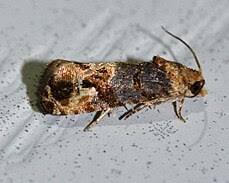
Overview
Grape berry mothsare serious vineyard and backyard grape pests best known for the internal fruit damage caused by their larvae. The species most commonly discussed in eastern North America is Paralobesia viteana, a tortricid moth whose caterpillars feed in flowers and berries of grapevines. Although the adult moth is small and easy to miss, the larval stage can have an outsized effect on fruit quality, especially when multiple generations build across the season.
These pests are especially problematic because their larvae feed in protected locations. Early in the season, larvae may attack flower clusters or young berries. Later generations often bore into developing grapes, where they feed internally and remain concealed from casual inspection. Damaged berries may shrivel, discolor, split, or become entry points for fungal pathogens and fruit rots. In table grapes, wine grapes, and small home vineyards alike, that combination of direct feeding and secondary disease can significantly reduce harvest quality.
Identification
Adult grape berry moths are small, mottled brownish moths with subtle banding and a somewhat compact shape typical of leafroller moths. They rest quietly and are not often seen unless disturbed. The larvae are small caterpillars that may appear greenish, cream, or light brown depending on age. Infested berries may show webbing, frass, shriveling, or signs of rot around entry holes.
One clue is the presence of silk tying together small clusters of berries or flower parts. As the season progresses, internal feeding may not be obvious until berries soften, turn color unevenly, or collapse.
Habitat
Grape berry moths are found wherever grapes grow, including commercial vineyards, backyard trellises, wild grape tangles, and unmanaged fence-line vines. Wild grapes can serve as reservoirs that support populations near cultivated plantings. The pest is often more severe in vineyard edges adjacent to woods or brushy areas where host material and shelter are abundant.
Warm seasons that support multiple generations can increase pressure substantially. Once established, populations may cycle from one brood to the next unless monitoring and sanitation are consistent.
Behavior and Damage
Female moths lay eggs on grape clusters or nearby tissues. After hatching, larvae begin feeding on flowers or berries, depending on the generation. Internal berry feeding destroys fruit tissue and allows decay organisms to enter. Wounded fruit may leak juice, rot, or become more attractive to wasps, flies, and molds.
Damage is economically important because even a limited number of infested clusters can lower fruit quality. In wine grapes, berry damage can affect harvest sanitation and fermentation quality. In fresh-eating grapes, the fruit may simply become unmarketable or unpleasant to harvest.
Prevention and Control
Management starts with monitoring. Pheromone traps are commonly used to track adult flight timing, which helps predict egg hatch and treatment windows. Pruning and canopy management improve airflow and visibility, making it easier to inspect clusters and reduce favorable conditions for rot. Removing nearby wild grapes may also help lower local pressure in some settings.
Sanitation matters, especially late in the season. Damaged clusters should be removed where practical. In heavier infestations, targeted treatments are timed to vulnerable larval stages rather than applied randomly. Backyard growers benefit from regular cluster inspection and from harvesting promptly once grapes ripen.
Taxonomy
- Kingdom: Animalia
- Phylum: Arthropoda
- Class: Insecta
- Order: Lepidoptera
- Family: Tortricidae