Overview
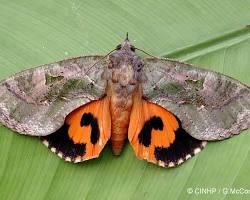
Fruit Piercing Moths are a group of moths known for their unusual feeding behavior as adults. Unlike many moths that feed on nectar or not at all, these species use strong proboscises to pierce the skin of ripening fruit and feed on juices. This behavior makes them serious pests in orchards and fruit-growing regions, where they can damage marketable produce and create openings for rot-causing fungi, bacteria, and secondary insect infestations. Their feeding may affect citrus, mangoes, peaches, grapes, berries, and other soft or thin-skinned fruits depending on the species and region.
The damage caused by fruit piercing moths is often disproportionate to the size of the insect. A single puncture can spoil fruit quality, lead to visible blemishes, and accelerate decay. Because feeding usually occurs at night, infestations may be overlooked until fruit begins showing soft spots, leakage, discoloration, or fermenting odor. In commercial settings, even minor cosmetic damage can reduce value, while in backyard gardens repeated feeding can ruin harvests just before fruit reaches peak ripeness.
Identification
- Medium to large moths, often with strong bodies and broad wings
- Coloration may include brown, gray, orange, or patterned camouflage
- Adults possess a robust proboscis adapted for piercing fruit skin
- Damage appears as puncture marks, juice leakage, or soft rotting areas
- Activity is primarily nocturnal
Habitat
Fruit piercing moths are most often associated with orchards, tropical or subtropical fruit plantings, vineyards, home gardens, and mixed agricultural landscapes. Adults are attracted to ripening fruit and may rest in nearby vegetation during daylight hours. Larval stages often feed on entirely different host plants, which means surrounding weeds, vines, or wild vegetation can support local moth populations even when the fruit crop itself is seasonal.
Behavior and Damage
Adult moths locate ripening fruit by scent and moisture cues, then use their piercing mouthparts to penetrate the skin and drink juices. This feeding leaves wounds that allow microorganisms to enter, often causing rapid fermentation or rot. In humid conditions, damaged fruit may quickly collapse or become attractive to fruit flies, wasps, and sap beetles. Clusters of injured fruit can lead to harvest losses, sanitation issues, and increased pest pressure from secondary invaders.
Because adults feed at night, damage may appear unexpectedly after fruit nears maturity. Crops grown near unmanaged vegetation or alternate larval host plants may experience higher pressure. Damage also tends to increase during warm weather when fruit sugar levels rise and fruit become easier to penetrate.
Ecological Role
As with many moths, fruit piercing moths are part of broader ecological food webs and serve as prey for bats, birds, spiders, and predatory insects. Their larvae may feed on wild plants with little noticeable impact. However, in orchard and garden systems where high-quality fruit is the goal, their adult feeding behavior makes them a significant pest concern. Their importance is especially high in regions where fruit is grown commercially or where backyard growers rely on a small number of trees and vines for seasonal harvest.
Prevention and Control
Management often focuses on reducing access to ripening fruit. Harvesting fruit promptly, removing damaged fruit from the ground, and keeping orchard sanitation high can reduce attraction. Netting is one of the most effective non-chemical tools for protecting small plantings. In some regions, light management, trapping, and exclusion methods may also help. Because larval host plants may be separate from the fruit crop, understanding the surrounding vegetation can improve long-term control. Monitoring should increase as fruit begins to soften and sweeten, since this is the stage most attractive to feeding adults.