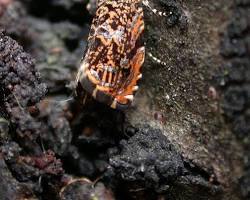
Enarmonia Fruit Moths are small moths associated with fruit trees, woody plants, and bark habitats. Species in the genus Enarmonia belong to the leafroller moth family Tortricidae, a large group that includes many orchard and landscape pests. Although not all species in the genus are major economic pests, they are of interest because their larvae may feed beneath bark, in stems, or in association with fruit tree tissues.
As with many tortricid moths, the larval stage is usually more damaging than the adult stage. Depending on the species, larvae may tunnel into stems or feed in concealed areas, making early infestations difficult to detect. This hidden feeding habit links them to broader Pestipedia topics such as tree pests and orchard pests.
Taxonomy and Classification
- Order: Lepidoptera
- Family: Tortricidae
- Genus: Enarmonia
- Common Group: Fruit Moths
Physical Description
Adult Enarmonia moths are small, compact moths with a wingspan generally ranging from 10 to 20 millimeters. They often have brown, tan, or reddish-brown forewings with darker markings or mottled patterns that provide camouflage on bark and woody stems.
The larvae are pale caterpillars that live in concealed spaces, such as bark crevices or tunnels, where they are protected from predators and the environment.
Distribution and Habitat
Enarmonia fruit moths occur in temperate regions and are associated with orchards, forests, and landscapes where host plants are present. Habitats include:
- Fruit orchards
- Woodlands
- Hedgerows
- Suburban landscapes with fruit trees
Behavior and Damage
Depending on the species, larvae may feed beneath bark, inside stems, or near wounded woody tissue. In orchard systems, concealed feeding can weaken young shoots or create entry points for plant disease.
Potential signs of infestation include:
- Small holes in bark or stems
- Frass near feeding sites
- Wilted twigs or shoots
- Subtle decline in tree vigor
Although severe outbreaks are not always common, concealed feeders can be difficult to detect and may be more important in stressed or neglected trees.
Management and Prevention
Good cultural care is one of the best preventive tools. Pestipedia generally recommends:
- Maintaining healthy fruit trees through pruning and watering
- Removing dead or damaged branches
- Monitoring bark and shoots for feeding signs
- Encouraging natural predators and parasitoids
Because tortricid moths often overlap with other fruit tree pests, proper identification is important before treatment decisions are made.