Overview
Grape Leafhoppers are specialized sap-feeding insects that attack grapevines and are among the most familiar insect pests in vineyards and backyard trellis plantings. Several species may be involved depending on region, but their damage pattern is similar: they feed on leaf undersides, remove plant fluids, and leave behind pale stippling across the upper leaf surface. When numbers remain low, vines may tolerate feeding reasonably well. When populations build, however, the cumulative stress can reduce photosynthesis, weaken vine vigor, and affect fruit ripening and overall productivity.
These insects belong to the family Cicadellidae and share the classic wedge-shaped form and jumping ability seen in other leafhoppers. In grape systems, they are especially important because repeated generations can overlap through the season. A small early population may become a much larger late-season problem if not monitored. Their feeding can be particularly harmful in hot, dry conditions or on vines already stressed by drought, disease, or nutrient imbalance.
Identification
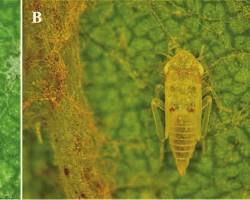
Grape leafhoppers are small, pale insects, often cream, light green, or yellowish, with slender wedge-shaped bodies and clear wings. Adults jump or fly readily when disturbed. Nymphs are wingless, smaller, and usually remain on the underside of leaves. They move sideways quickly and can be easy to miss without close inspection.
The most obvious sign is leaf stippling. Tiny pale feeding spots appear first, then expand into a washed-out or speckled appearance. Heavily affected leaves may yellow, dry prematurely, or drop earlier than expected. In larger infestations, vines may look dusty or faded from a distance.
Habitat
These pests are closely associated with grapevines, whether in commercial vineyards, home gardens, arbors, or wild grape growth. They prefer the shelter and food provided by vine canopies and are most abundant during active vine growth. Dense canopies can create favorable conditions by providing protected feeding and breeding sites.
They may overwinter in nearby vegetation or plant debris depending on the species and local climate, then move back onto grape foliage as the season develops.
Behavior and Damage
Grape leafhoppers feed by piercing leaf tissue and drawing out cell contents. This reduces chlorophyll-rich tissue and interferes with the leaf’s ability to produce energy for the vine. Unlike chewing pests, they do not leave holes, but the cumulative stippling can be extensive. Nymphs and adults both feed, and repeated generations can create sustained pressure.
Heavy feeding weakens vines and may reduce sugar development in fruit, especially if leaves are badly damaged before harvest. Severely affected leaves may bronz, dry out, or fall, leaving clusters more exposed and vines less productive.
Prevention and Control
Regular scouting is essential. Check leaf undersides for nymphs and watch for stippling on upper surfaces. Good canopy management improves air movement and visibility, making infestations easier to spot. Avoid excessive nitrogen that pushes lush growth attractive to sap feeders.
Beneficial insects, especially small predators and parasitoids, can help suppress populations. In some vineyards, preserving these natural enemies is a key part of management. If numbers become too high, targeted treatments may be used based on scouting thresholds. Backyard growers often get the best results from frequent inspection, pruning crowded growth, and keeping vines generally healthy.
Taxonomy
- Kingdom: Animalia
- Phylum: Arthropoda
- Class: Insecta
- Order: Hemiptera
- Family: Cicadellidae