Overview
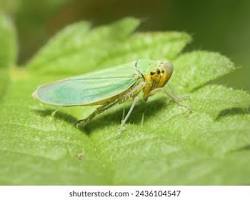
Garden leafhoppers are small, wedge-shaped insects belonging to the family Cicadellidae. These highly active pests are known for their ability to jump or fly quickly when disturbed, making them difficult to catch or observe closely. Leafhoppers are common in gardens, agricultural fields, and landscapes, where they feed on a wide variety of plants including vegetables, fruits, and ornamental species.
Leafhoppers feed by piercing plant tissues and extracting sap, which weakens plants and can lead to discoloration, curling, and reduced growth. One of their most significant impacts is their ability to transmit plant pathogens, particularly viruses and bacteria, which can cause serious crop losses. Their feeding activity also introduces toxins that can result in a condition known as “hopper burn,” characterized by yellowing and browning of leaf edges.
Because of their mobility and rapid reproduction, leafhopper populations can increase quickly under favorable conditions. Warm weather and dry conditions often contribute to higher infestation levels, making them a recurring problem in many growing regions.
Identification
- Small, wedge-shaped insects
- Green, yellow, or brown coloration
- Strong jumping ability
- Found on leaf undersides or stems
Habitat
Garden leafhoppers are found in a wide range of environments, including vegetable gardens, orchards, and grassy areas. They prefer plants with tender foliage and are often most abundant during the growing season.
Behavior and Damage
Leafhoppers feed on plant sap, causing stippling, discoloration, and leaf curling. Their feeding may also introduce pathogens that lead to plant diseases. Damage is often more severe in young plants.
Large infestations can significantly reduce plant vigor and crop yields.
Impact
Leafhoppers are important agricultural pests due to their role in spreading plant diseases and reducing crop productivity.
Prevention and Control
Control methods include removing weeds, using row covers, and encouraging natural predators. Insecticidal soaps and targeted treatments may also be used.
Taxonomy
- Kingdom: Animalia
- Phylum: Arthropoda
- Class: Insecta
- Order: Hemiptera
- Family: Cicadellidae