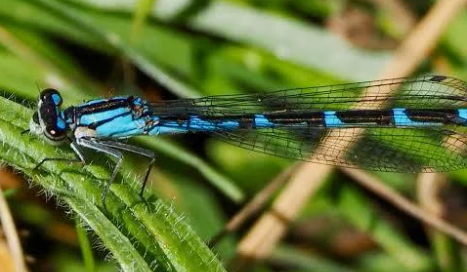
The Boreal Bluet (Enallagma boreale) is a delicate species of damselfly belonging to the family Coenagrionidae. These slender aquatic insects are closely related to dragonflies and are commonly found around freshwater habitats throughout northern North America. Boreal bluets are considered beneficial insects because both the aquatic nymphs and adults prey on smaller insects, including mosquitoes and midges.
Like many damselflies, the boreal bluet is admired for its bright coloration, graceful flight, and ecological importance within wetland ecosystems. These insects are frequently observed resting on reeds, grasses, and aquatic vegetation near ponds and lakes during warm summer months.
Quick Facts
- Family: Coenagrionidae
- Common Name: Boreal Bluet
- Habitat: Lakes, ponds, marshes, streams
- Diet: Small flying insects and aquatic prey
- Status: Beneficial aquatic predator
Identification
Adult boreal bluets are small, slender damselflies typically measuring:
- 1 to 1.5 inches long
Males are usually bright blue with black markings along the abdomen, while females may appear:
- Blue
- Greenish
- Brownish-blue
Important identifying characteristics include:
- Thin elongated abdomen
- Large widely separated eyes
- Transparent narrow wings
- Slender body structure
- Weak fluttering flight pattern
Unlike dragonflies, damselflies typically hold their wings folded together over the body while resting.
The boreal bluet is commonly confused with other bluet damselflies because many species share similar coloration and body structure.
Distribution and Habitat
The boreal bluet occurs widely throughout northern North America including:
- Canada
- Northern United States
- Boreal forest regions
- Wetland ecosystems
These damselflies prefer freshwater habitats such as:
- Ponds
- Lakes
- Marshes
- Slow-moving streams
- Wet meadows
- Shallow shorelines
Aquatic vegetation is especially important because it provides:
- Egg-laying sites
- Protection from predators
- Resting locations
- Hunting perches
Adults are most active during warm sunny weather and are commonly seen hovering low above vegetation near water.
Life Cycle
Like other damselflies, the boreal bluet undergoes incomplete metamorphosis consisting of:
- Egg
- Aquatic nymph
- Adult
Females deposit eggs on submerged aquatic vegetation or directly into plant tissues near water.
After hatching, immature nymphs develop underwater where they remain for months while feeding on:
- Mosquito larvae
- Small aquatic insects
- Tiny crustaceans
- Other invertebrates
Nymphs breathe using specialized gill structures and are highly effective aquatic predators.
Once development is complete, the mature nymph climbs onto vegetation above the water surface and transforms into an adult damselfly.
Behavior
Boreal bluets are agile aerial predators that capture small insects while flying.
Adults feed on:
- Mosquitoes
- Gnats
- Midges
- Tiny flies
- Small flying insects
They are most active during daylight hours and frequently rest on:
- Grass stems
- Reeds
- Water plants
- Shrubs near shorelines
Males are territorial and may defend small areas near water from competing males.
During mating, males grasp females behind the head using specialized appendages, forming the characteristic “wheel” position common among damselflies.
Pest Status
The boreal bluet is considered a highly beneficial insect.
These damselflies help control populations of nuisance insects including:
- Mosquitoes
- Midges
- Small flies
- Other aquatic insects
Because both nymphs and adults are predators, they contribute to natural pest control in wetland ecosystems.
They do not:
- Damage plants
- Infest homes
- Bite humans
- Cause structural damage
Ecological Importance
Boreal bluets are important components of freshwater ecosystems.
They serve as both:
- Predators of small insects
- Food sources for fish, birds, frogs, and spiders
The presence of damselflies often indicates healthy aquatic habitats with good water quality.
Because damselfly nymphs are sensitive to pollution, declining populations may signal environmental problems in freshwater ecosystems.
Prevention
No prevention measures are necessary because boreal bluets are harmless and beneficial insects.
Many property owners encourage damselflies near ponds and wetlands because they naturally reduce mosquito populations.
Control
Control is not recommended.
Protecting wetland habitats and minimizing pesticide use helps maintain healthy damselfly populations.
Artificial ponds with native vegetation may attract boreal bluets and other beneficial aquatic insects.
Interesting Facts
- Boreal bluets are closely related to dragonflies.
- Damselflies fold their wings while resting.
- Nymphs live underwater for much of their lives.
- Adults are important mosquito predators.
- The species is common in northern wetland habitats.
- Bright blue coloration helps identify males.