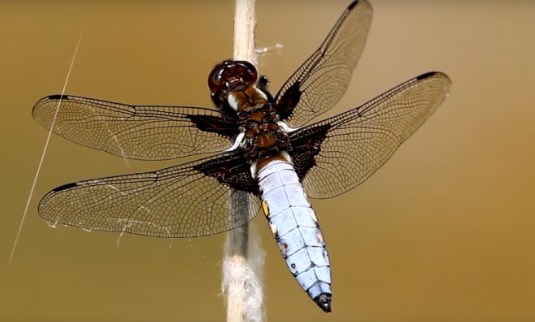
Dragonflies (order Odonata) are large, fast-flying predatory insects widely recognized for their exceptional aerial hunting ability and striking appearance. Found near freshwater habitats across the globe, dragonflies play a critical ecological role as natural biological control agents, feeding on mosquitoes, flies, gnats, and other small insects throughout both their aquatic and adult life stages.
Often referred to as “mosquito hawks,” dragonflies are entirely carnivorous and are considered highly beneficial insects in both natural ecosystems and residential landscapes. Their presence is often a sign of a healthy environment, particularly in and around ponds, wetlands, and garden water features.
Quick Facts
- Order: Odonata
- Suborder: Anisoptera
- Habitat: Ponds, lakes, streams, wetlands, and gardens
- Diet: Mosquitoes, flies, gnats, and other small insects
- Status: Beneficial insect
Taxonomy and Classification
Dragonflies belong to the order Odonata, which also includes their close relatives, damselflies. Within this order, dragonflies are classified under the suborder Anisoptera, distinguished by their robust bodies and wing posture.
They undergo incomplete metamorphosis, meaning they develop through egg, nymph (naiad), and adult stages without a pupal phase.
Identification
Dragonflies are easily recognized by their distinctive physical features:
- Body Shape: Long, slender abdomen with a strong thorax
- Eyes: Large compound eyes that often meet at the top of the head
- Wings: Two pairs of transparent wings held outstretched horizontally at rest
- Coloration: Bright or metallic shades of blue, green, red, or bronze
Unlike damselflies, dragonflies are more robust and do not fold their wings back over their bodies when resting.
The larval stage (nymph) is aquatic, stout-bodied, and typically brown or green. Nymphs possess a specialized hinged mouthpart (labium) used to rapidly capture prey underwater.
Distribution and Habitat
Dragonflies are found on every continent except Antarctica. They are most commonly associated with freshwater environments, including:
- Ponds and lakes
- Streams and rivers
- Marshes and wetlands
- Garden water features
Because their larvae develop in water, dragonflies are dependent on aquatic habitats for reproduction. Adult dragonflies, however, may travel significant distances away from water while hunting.
Behavior and Life Cycle
Dragonflies have a fascinating life cycle that bridges both aquatic and terrestrial environments:
- Egg Stage: Laid in or near water
- Nymph Stage: Aquatic and predatory, lasting months to years
- Adult Stage: Emerges from water and becomes an aerial hunter
Dragonfly nymphs are formidable predators, feeding on:
- Mosquito larvae
- Aquatic insects
- Tadpoles and small fish (in larger species)
Adults are among the most skilled flying insects, capable of:
- Hovering in place
- Flying backward
- Reaching speeds over 30 mph
- Capturing prey midair with high precision
Feeding and Ecological Impact
Dragonflies provide significant ecological benefits through their role as apex insect predators.
- Mosquito Control: A single dragonfly can consume hundreds of mosquitoes per day
- Aquatic Balance: Nymphs regulate populations of aquatic pests
- Food Web Role: Serve as both predators and prey in ecosystems
Their presence contributes to natural pest suppression, reducing reliance on chemical insecticides in many environments.
Pest Status
Dragonflies are not pests. They are considered highly beneficial insects due to their ability to reduce populations of nuisance insects such as mosquitoes and flies.
They do not sting and rarely bite, making them safe for humans and pets.
Management and Conservation
Rather than controlling dragonflies, efforts typically focus on supporting and conserving their populations.
| Strategy | Purpose | Benefit |
|---|---|---|
| Water Features | Provide breeding habitat | Supports nymph development |
| Vegetation | Offer perching and shelter | Enhances hunting efficiency |
| Chemical Reduction | Limit pesticide use | Protects beneficial populations |
Maintaining clean, healthy water sources is the most effective way to encourage dragonfly populations.
Prevention and Control
No prevention or control measures are necessary. Dragonflies should be encouraged due to their ecological benefits.
Related Articles
Conclusion
Dragonflies are among the most efficient natural predators in the insect world. Their dual life in water and air allows them to control pest populations at multiple stages, making them invaluable allies in both natural ecosystems and human-managed environments.
Encouraging dragonflies through habitat preservation and reduced pesticide use supports healthier landscapes and more balanced ecosystems.