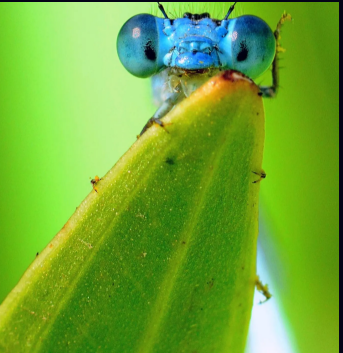
Damselflies are slender, delicate flying insects in the order Odonata, suborder Zygoptera. They are closely related to dragonflies but differ in body structure, wing position, and flight behavior. Damselflies are most commonly found near freshwater habitats such as ponds, streams, marshes, and wetlands, where they play an important ecological role as predators of smaller insects.
Although sometimes mistaken for pests due to their abundance near water features, damselflies are considered highly beneficial insects. Both their aquatic nymphs and flying adults help control populations of mosquitoes, gnats, and other nuisance insects, making them valuable allies in natural pest management.
Quick Facts
- Order: Odonata
- Suborder: Zygoptera
- Habitat: Freshwater ecosystems and surrounding vegetation
- Diet: Small flying insects; aquatic prey in nymph stage
- Status: Beneficial insect
Taxonomy and Classification
Damselflies belong to the suborder Zygoptera within the order Odonata, which also includes dragonflies (suborder Anisoptera). There are thousands of species worldwide, grouped into several families such as Coenagrionidae (narrow-winged damselflies), Lestidae (spreadwings), and Calopterygidae (broad-winged damselflies).
Damselflies undergo incomplete metamorphosis, meaning they develop from egg to nymph to adult without a pupal stage. Their life cycle is closely tied to aquatic environments, making them important indicators of ecosystem health.
Identification
Damselflies are easily recognized by their slender bodies and graceful flight. Key identification features include:
- Body Shape: Long, thin, and delicate
- Wings: Two pairs, typically folded together over the back when at rest
- Eyes: Large compound eyes separated on either side of the head
- Coloration: Often blue, green, black, or metallic; some species are more muted
They are frequently confused with dragonflies, but dragonflies are generally larger, more robust, and hold their wings open when resting. Damselflies tend to have a weaker, fluttering flight compared to the stronger, more direct flight of dragonflies.
Distribution and Habitat
Damselflies are found throughout North America and across much of the world wherever freshwater habitats exist. Their presence is strongly associated with clean or moderately healthy water sources.
Common habitats include:
- Ponds and lakes
- Streams and rivers
- Marshes and wetlands
- Water gardens and backyard ponds
- Vegetated shorelines
Adults often remain close to water, resting on plants, grasses, or reeds, while nymphs live entirely underwater.
Behavior and Life Cycle
The life cycle of damselflies consists of three main stages: egg, aquatic nymph, and adult.
- Egg Stage: Females lay eggs in or near water, often inserting them into plant tissue.
- Nymph Stage: Aquatic nymphs (naiads) live underwater, sometimes for several months or even years, depending on species.
- Adult Stage: Mature nymphs emerge from the water and transform into winged adults.
Damselfly nymphs are active predators, feeding on mosquito larvae, small aquatic insects, and other tiny organisms. Adults continue this predatory role by capturing small flying insects mid-air.
During mating, damselflies exhibit a unique behavior known as the “wheel position”, where the male and female form a circular shape while mating.
Feeding and Ecological Role
Damselflies are predatory at all life stages, making them highly beneficial in controlling insect populations.
- Nymph Diet: Mosquito larvae, small aquatic insects, and microinvertebrates
- Adult Diet: Gnats, mosquitoes, flies, and other small flying insects
Their presence contributes to:
- Natural mosquito control
- Balanced aquatic ecosystems
- Reduced nuisance insect populations
Because they require clean water to reproduce, damselflies are often used as bioindicators of environmental quality.
Pest Status
Damselflies are not pests. They do not damage plants, structures, or stored goods, and they do not bite or sting humans.
In fact, they are considered beneficial due to their role in controlling insect populations. Their presence around homes, gardens, and water features is generally a sign of a healthy environment.
Management and Control
Control of damselflies is not recommended. Eliminating them can disrupt natural pest control and reduce biodiversity.
| Approach | Purpose | Outcome |
|---|---|---|
| No Action | Allow natural populations to thrive | Maintains ecological balance |
| Habitat Management | Maintain healthy water features | Supports beneficial insects |
| Avoid Pesticides | Protect aquatic life | Prevents ecosystem disruption |
Prevention
No prevention is necessary, as damselflies are not harmful. However, if mosquito populations are a concern, water management strategies can be implemented without targeting damselflies directly.
- Maintain balanced pond ecosystems
- Encourage natural predators like fish and aquatic insects
- Avoid stagnant, polluted water conditions
Conservation and Importance
Damselflies play an important role in both aquatic and terrestrial ecosystems. They contribute to biodiversity and serve as prey for birds, fish, amphibians, and other wildlife.
Because they are sensitive to pollution, habitat destruction, and water quality changes, many species are monitored as indicators of environmental health.
Conservation efforts focus on protecting wetlands, reducing pollution, and maintaining natural water systems that support damselfly populations.
Related Articles
Conclusion
Damselflies are elegant and beneficial insects that contribute significantly to natural pest control and ecosystem balance. Their presence near water features is not only harmless but also desirable, as they help reduce populations of mosquitoes and other nuisance insects.
Rather than being managed or eliminated, damselflies should be appreciated and conserved as vital components of healthy freshwater environments and sustainable landscapes.