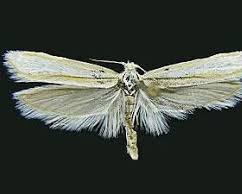
Ypsolopha Shoot Borers
Ypsolopha Shoot Borers are specialized caterpillars belonging to the family Ypsolophidae that attack the tender shoots and growing tips of trees, shrubs, and ornamental plants. Unlike leaf-feeding caterpillars that remain exposed on foliage, these pests bore directly into developing stems and shoots, where they feed internally and remain protected from many natural enemies and conventional treatments.
Their feeding behavior makes them particularly destructive because they target the plant’s active growth points. By tunneling through young shoots, the larvae disrupt the flow of water and nutrients, causing wilting, dieback, distorted growth, and reduced plant vigor. Young ornamental trees and nursery stock are especially vulnerable because damage to the terminal shoot can permanently alter plant structure.
Although infestations are often localized, repeated attacks can significantly impact plant health and appearance. Because the larvae remain hidden inside plant tissue, infestations frequently go unnoticed until visible symptoms begin to appear.
Taxonomy and Classification
- Kingdom: Animalia
- Phylum: Arthropoda
- Class: Insecta
- Order: Lepidoptera
- Family: Ypsolophidae
- Genus: Ypsolopha
These insects undergo complete metamorphosis, progressing through egg, larval, pupal, and adult moth stages.
Identification
Ypsolopha Shoot Borers can be difficult to identify because the damaging stage remains concealed inside stems.
- Larval Length: Approximately 10–20 mm when mature.
- Color: Yellow-green, pale green, or tan.
- Body Shape: Slender and cylindrical.
- Head: Brown to dark brown.
- Behavior: Internal tunneling within young shoots and stems.
The most reliable signs of infestation are found on the host plant rather than on the caterpillar itself.
- Wilting shoot tips.
- Dead terminal growth.
- Small entry holes in stems.
- Fine frass near feeding sites.
- Distorted branching patterns.
- Flagging or browning of new growth.
Distribution and Habitat
Ypsolopha Shoot Borers occur throughout temperate regions where suitable host plants are available.
They are commonly found in:
- Gardens
- Landscaped properties
- Nurseries
- Parks
- Woodlands
- Orchards
- Hedgerows
Different species utilize different host plants, but many favor deciduous trees and ornamental shrubs with tender seasonal growth.
Host Plants
Known host plants may include:
- Honeysuckle
- Oak
- Beech
- Euonymus
- Hackberry
- Fruit trees
- Various ornamental shrubs
Young shoots and developing stems are the preferred feeding sites.
Life Cycle
Ypsolopha Shoot Borers undergo complete metamorphosis.
- Egg Stage: Females deposit eggs on suitable host plants.
- Larval Stage: Newly hatched larvae quickly bore into tender shoots and begin internal feeding.
- Pupal Stage: Mature larvae pupate within plant material or protected nearby locations.
- Adult Stage: Small moths emerge, mate, and lay eggs for the next generation.
Depending on climate and species, one or multiple generations may occur each year.
Behavior
The defining behavior of Ypsolopha Shoot Borers is internal tunneling.
- Larvae feed within stems.
- Damage remains hidden for much of the infestation.
- Tunnels expand as larvae grow.
- Feeding targets actively growing tissues.
- Larvae remain protected from many predators and sprays.
This concealed feeding habit makes early detection especially important.
Damage and Economic Importance
Ypsolopha Shoot Borers damage plants by destroying vital growth tissues.
Terminal Shoot Death
Larval tunneling interrupts water and nutrient movement.
- Wilting shoot tips.
- Dead growing points.
- Loss of vertical growth.
Distorted Plant Structure
When the terminal bud dies, lateral buds often begin growing.
- Excessive branching.
- Misshapen plants.
- Bushy growth.
- Poor structural form.
This is particularly problematic for ornamental trees and nursery stock.
Reduced Plant Vigor
Repeated infestations may result in:
- Slower growth.
- Reduced flowering.
- Lower fruit production.
- Increased stress susceptibility.
Secondary Infections
Boring damage creates entry points for:
- Fungal pathogens.
- Bacterial infections.
- Canker diseases.
- Wood-decay organisms.
Signs of Infestation
Common indicators include:
- Flagged or wilted shoot tips.
- Brown terminal growth.
- Pin-sized entry holes.
- Frass accumulation.
- Hollow stems.
- Abnormal branching.
Cutting open affected shoots often reveals internal tunnels and feeding damage.
Behavior and Conflict
The pest status of Ypsolopha Shoot Borers results from their ability to attack critical plant tissues.
- Concealed Feeding: Difficult to detect and treat.
- Growth Point Destruction: Directly affects plant development.
- Structural Deformities: Permanent changes to plant shape.
- Secondary Disease Risk: Creates infection sites.
Even low populations can cause noticeable damage on valuable ornamental plants.
Management and Prevention
Integrated Pest Management provides the best long-term control.
Monitoring
- Inspect new growth regularly.
- Watch for wilting shoots.
- Look for entry holes and frass.
- Monitor susceptible host plants during active growth periods.
Sanitation Pruning
Pruning is one of the most effective control methods.
- Remove wilted shoots.
- Cut below damaged tissue.
- Destroy infested material.
- Prevent larval development.
Plant Health Management
- Maintain proper irrigation.
- Avoid unnecessary stress.
- Provide balanced nutrition.
- Promote vigorous growth.
Healthy plants are often better able to recover from localized damage.
Biological Control
Natural enemies may help suppress populations.
- Parasitic wasps
- Predatory insects
- Birds
- Beneficial arthropods
Targeted Treatments
Because larvae feed inside plant tissues, treatments are most effective when aimed at newly hatched larvae before they enter shoots.
Monitoring adult activity and early-season scouting can improve treatment timing.
Conservation and Research
Research focuses on host plant relationships, pest monitoring methods, biological control agents, and sustainable management practices. Scientists continue investigating improved detection techniques and environmentally responsible approaches for managing concealed stem-boring pests.
Ypsolopha Shoot Borers are important ornamental and nursery pests because they attack the plant’s growing points directly. Their hidden feeding habits, ability to distort plant structure, and potential to weaken valuable landscape plants make early detection and prompt pruning essential components of successful management.