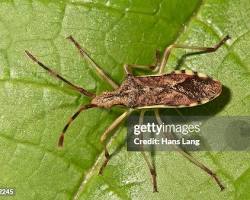
Juniper Seed Bugs are plant-feeding insects that primarily target the cones and seeds of juniper trees. While their feeding activity may not severely damage established trees, it can impact seed production and lead to nuisance issues when the bugs enter homes in search of shelter during cooler weather.
Juniper seed bugs, most commonly species within the genus Cyrtopeltocoris or members of the family Coreidae, are specialized “true bug” that feed on the reproductive structures of juniper trees. Unlike bark beetles or budworms that damage wood or foliage, these insects focus specifically on the berries (cones), where they extract nutrients from developing seeds. Their feeding rarely threatens the overall health of mature trees, but it can significantly impact seed viability.
In landscapes and natural areas across the Southwest and surrounding desert regions — juniper seed bugs are most often noticed by those attempting to collect seeds for propagation or restoration projects. By feeding on immature seeds, these insects can reduce germination success and limit the ability to grow new plants from harvested cones.
Taxonomy and Classification
- Kingdom: Animalia
- Phylum: Arthropoda
- Class: Insecta
- Order: Hemiptera (True Bugs)
- Suborder: Heteroptera
- Family: Coreidae (Leaf-footed Bugs) or Miridae (Plant Bugs), depending on species
- Genus: Cyrtopeltocoris
Identification
These bugs are elongated with brown or gray coloration and may have distinct markings. They resemble other seed bugs and are often mistaken for harmless insects.
Habitat and Distribution
They are commonly found in areas with juniper trees, including forests, parks, and residential landscapes.
Life Cycle
Eggs are laid on plant surfaces, and nymphs develop while feeding on seeds.
Damage and Impact
Feeding reduces seed viability and can impact plant reproduction.
Signs of Infestation
Presence of bugs on cones and occasional indoor sightings are common signs.
Prevention and Control
Sealing entry points and reducing outdoor populations can help prevent indoor invasions.