Overview
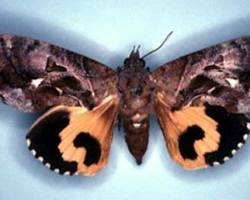
Guava moths are fruit-boring pests that affect guava and other soft fruits, causing internal damage that reduces fruit quality and marketability. These moths belong to the family Lepidoptera, with species such as Coscinoptycha improbana being particularly associated with guava crops. While adult moths are relatively inconspicuous, their larvae can cause significant damage by feeding within fruit.
Unlike external feeders, guava moth larvae develop inside fruit, where they are protected from many environmental factors and control methods. This makes infestations particularly challenging to manage. Damage is often not visible until fruit is cut open or begins to deteriorate.
Guava moths are considered important pests in regions where guava is cultivated commercially or grown in home gardens. Their ability to infest multiple fruit types increases their impact across agricultural systems.
Identification
Adult guava moths are small, with narrow wings and muted brown or gray coloration that helps them blend into their surroundings. They are typically active at night and may be attracted to lights.
Larvae are small caterpillars that develop inside fruit. Infested fruit may show small entry holes, discoloration, or premature dropping.
Habitat
Guava moths are found in tropical and subtropical regions where guava and other host fruits are grown. They are commonly associated with orchards, gardens, and areas with fruiting plants.
They prefer environments where fruit is available for egg-laying and larval development.
Behavior and Damage
Female moths lay eggs on or near fruit, and larvae burrow inside after hatching. Feeding occurs within the fruit, causing internal damage that may not be immediately visible.
As larvae feed, fruit tissue breaks down, leading to rot and reduced quality. Infested fruit may fall prematurely or become unsuitable for consumption.
Because larvae are protected within the fruit, they are difficult to control once established.
Impact
Guava moths can significantly reduce fruit yield and quality. In commercial settings, infestations can lead to economic losses and reduced marketability.
Their presence can also complicate pest management, as internal feeders are harder to detect and treat.
Prevention and Control
Sanitation is critical, including removing and destroying infested fruit. Monitoring adult populations and using traps can help reduce infestations.
Integrated pest management strategies are often required for effective control.
Taxonomy
- Kingdom: Animalia
- Phylum: Arthropoda
- Class: Insecta
- Order: Lepidoptera