Overview
Greenhouse thrips are small but highly destructive insects that commonly infest indoor growing environments, greenhouses, and ornamental plantings. Belonging to the order Thysanoptera, these pests are known for their slender bodies, fringed wings, and ability to feed on a wide variety of plant species. Despite their tiny size, greenhouse thrips can cause significant damage to both commercial crops and homegrown plants.
Thrips are particularly problematic because they feed on plant tissues by scraping and sucking out cell contents, rather than simply extracting sap. This feeding method causes visible damage in the form of silvery or bronzed patches on leaves, which can expand over time as feeding continues. In greenhouses, where environmental conditions are stable and predators are limited, thrips populations can grow rapidly and persist throughout the year.
Another major concern is their ability to transmit plant diseases. Certain species of thrips are known vectors of plant viruses, which can spread quickly through crops and lead to widespread losses. Their small size and tendency to hide in buds, flowers, and leaf folds make them difficult to detect and manage early.
Identification
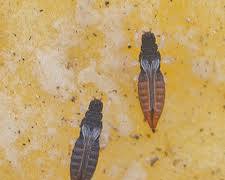
Greenhouse thrips are extremely small, typically measuring less than 2 millimeters in length. They have narrow, elongated bodies and fringed wings that are often folded over their backs. Their coloration ranges from pale yellow to dark brown or black, depending on the species and life stage.
Because of their size, they are often detected by the damage they cause rather than by direct observation. Shaking leaves over a white surface can help reveal their presence.
Habitat
These pests are most commonly found in greenhouses, indoor plant environments, and densely planted gardens. They prefer warm, dry conditions and are often concentrated on leaf undersides, within flowers, or in tightly packed plant growth.
Greenhouse thrips can infest a wide range of plants, including vegetables, ornamentals, and houseplants, making them a widespread concern.
Behavior and Damage
Thrips feed by puncturing plant cells and extracting their contents, resulting in a stippled or silvery appearance on leaves. As feeding continues, affected areas may turn brown and dry out. Flowers may become distorted or discolored, and fruit development can be impacted.
In addition to feeding damage, thrips may spread plant viruses, which can cause further decline in plant health.
Impact
Greenhouse thrips can significantly reduce plant quality and yield. In commercial settings, infestations may lead to economic losses due to damaged crops and increased management costs.
Prevention and Control
Regular monitoring is essential for early detection. Blue or yellow sticky traps can help track populations. Removing heavily infested plant material and improving air circulation can reduce infestations.
Biological control agents, such as predatory mites and insects, are commonly used in greenhouse environments. Insecticidal soaps and targeted treatments may also be effective when applied correctly.
Taxonomy
- Kingdom: Animalia
- Phylum: Arthropoda
- Class: Insecta
- Order: Thysanoptera