Overview
Gray field slugs are among the most common and destructive mollusk pests found in agricultural fields, gardens, and landscapes. Belonging to the species Deroceras reticulatum, these slugs are widely distributed and are particularly problematic in temperate regions. Unlike insects, slugs are soft-bodied mollusks that lack a shell, making them highly dependent on moist environments for survival.
These slugs are especially damaging because of their feeding habits and ability to thrive in a variety of conditions. They are active primarily at night or during damp, overcast weather, when they emerge to feed on plant material. During the day, they hide in soil, under debris, or within dense vegetation to avoid desiccation.
Gray field slugs are known for their wide host range, feeding on crops such as lettuce, cabbage, wheat, and various garden plants. Their ability to reproduce rapidly and adapt to different environments makes them a persistent challenge for both farmers and home gardeners.
Identification
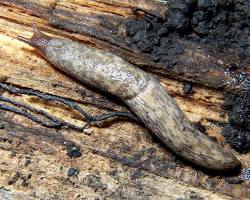
Gray field slugs are medium-sized slugs, typically measuring about 1 to 2 inches in length when fully extended. Their coloration ranges from light gray to brown, often with mottled or reticulated patterns that help them blend into their surroundings.
They produce a characteristic слиз trail, a slimy secretion that helps them move and retain moisture. This trail is often one of the first signs of their presence.
Habitat
These slugs prefer moist environments such as fields, gardens, lawns, and wooded areas. They are commonly found in soil, under rocks, mulch, leaf litter, and other debris where moisture is retained.
They are particularly abundant in areas with heavy rainfall or irrigation, as moisture is essential for their survival and activity.
Behavior and Damage
Gray field slugs feed on a wide range of plant materials, including leaves, stems, roots, and seedlings. They often create irregular holes in leaves and may completely consume young plants.
Their feeding can be especially damaging to seedlings and young crops, which may be destroyed before they have a chance to establish. In agricultural settings, this can lead to significant crop losses.
They are most active at night, making them difficult to observe directly. However, their feeding damage and slime trails are clear indicators of their presence.
Impact
Gray field slugs are significant agricultural pests that can reduce crop yields and damage ornamental plants. Their impact is particularly severe in wet conditions, where populations can increase rapidly.
Prevention and Control
Effective management includes reducing moisture and removing hiding places such as debris and mulch. Barriers, traps, and biological controls can also be used.
Regular monitoring and early intervention are key to preventing severe infestations.
Taxonomy
- Kingdom: Animalia
- Phylum: Mollusca
- Class: Gastropoda
- Order: Stylommatophora
- Family: Agriolimacidae