Overview
Gray garden slugs are common pests in home gardens and landscaped areas, known for their ability to feed on a wide range of plants and cause visible damage. These slugs are similar to gray field slugs but are often associated more closely with ornamental gardens and backyard environments.
As soft-bodied mollusks, they rely heavily on moisture to survive and are most active during cool, damp conditions. Their feeding behavior can damage leaves, stems, flowers, and fruits, making them a nuisance for gardeners.
Although they are often associated with gardens, gray garden slugs can also be found in greenhouses, lawns, and other moist environments where food and shelter are available.
Identification
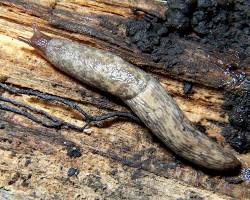
Gray garden slugs are typically gray or brown with a soft, elongated body. They may have subtle patterns or mottling that helps them blend into their surroundings.
They leave behind a shiny slime trail that is often visible on plant surfaces and soil.
Habitat
These slugs thrive in moist environments such as gardens, flower beds, and shaded areas. They hide under rocks, mulch, and debris during the day.
They are most active at night or during wet weather conditions.
Behavior and Damage
Gray garden slugs feed on plant material, creating irregular holes in leaves and damaging flowers and fruits. They may also feed on seedlings, causing significant losses in young plants.
Their feeding can reduce plant vigor and affect the appearance of ornamental plants.
Impact
While they may not always cause severe damage, gray garden slugs can become problematic in large numbers, particularly in wet conditions.
Prevention and Control
Reducing moisture, removing hiding places, and using traps or barriers can help manage slug populations.
Regular garden maintenance is key to preventing infestations.
Taxonomy
- Kingdom: Animalia
- Phylum: Mollusca
- Class: Gastropoda
- Order: Stylommatophora